

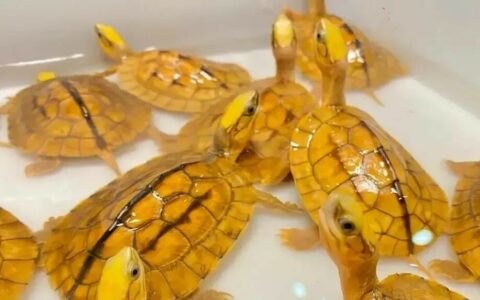
Want to know what the world looks like in the eyes of your "turtles" (an affectionate term for pet turtles)? Turtle vision is vastly different from human vision, full of unique survival wisdom.

Color Perception and the "Red Gene"
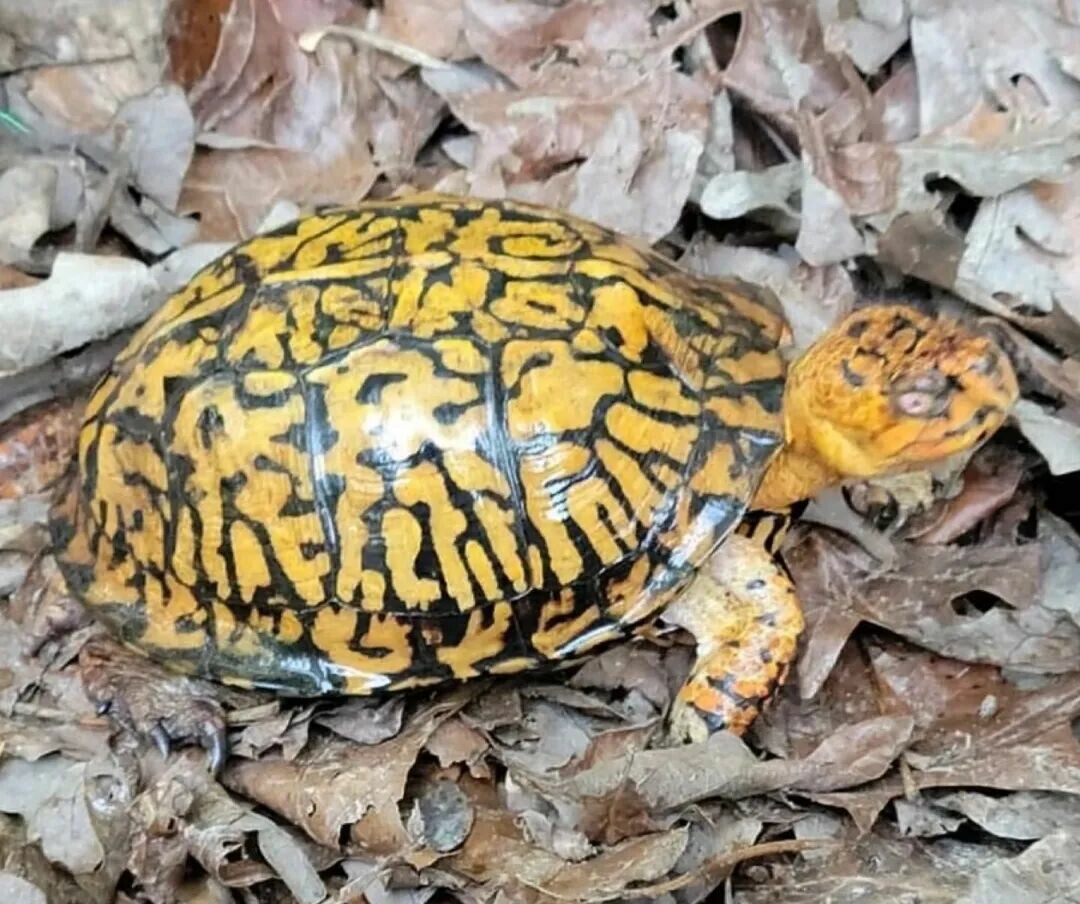
Turtles can not only see colors but also perceive richer shades of red than humans. This is due to the "red gene" in turtle eyes—CYP2J19 (Cytochrome P450 family 2 subfamily J member 19), which makes turtles particularly sensitive to warm colors like red, orange, and yellow. Next time you feed them, try using a small red toy; the turtles might be extra curious!

Underwater Visual Survival Advantages
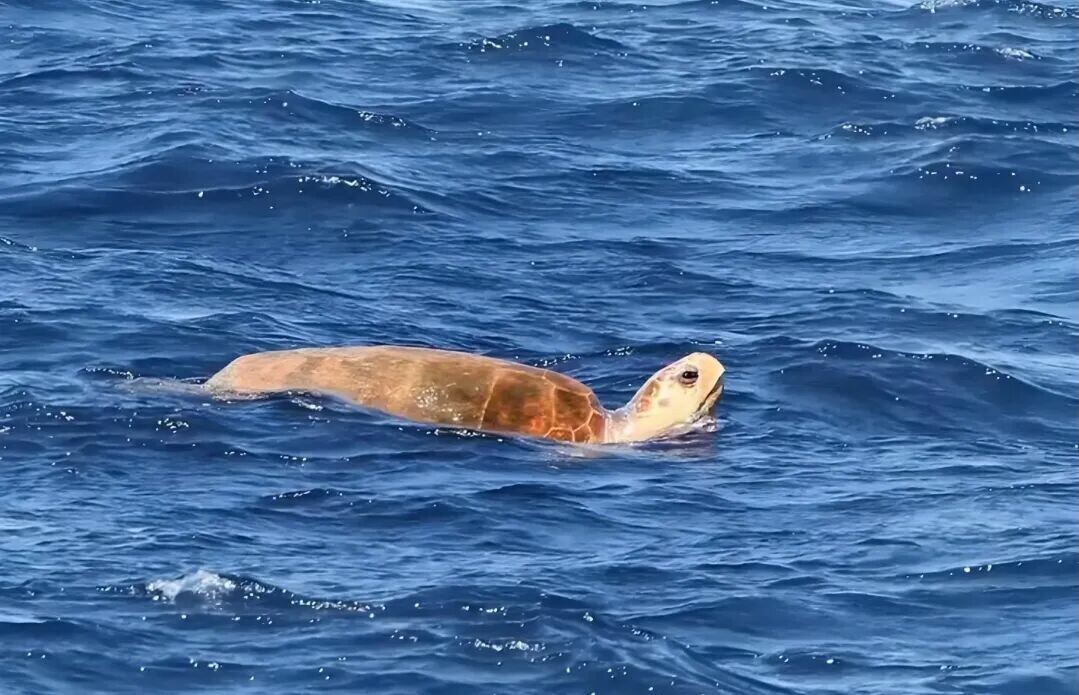
Turtles perform excellently visually in water. Turtles possess a relatively flat cornea (the transparent fibrous membrane on the front wall of the eyeball) and a spherical lens (transparent tissue with refractive properties inside the eyeball). This structure helps turtles capture light and judge distances more precisely underwater, which is crucial for hunting and avoiding danger. Sea turtles, in particular, have outstanding long-distance vision underwater.
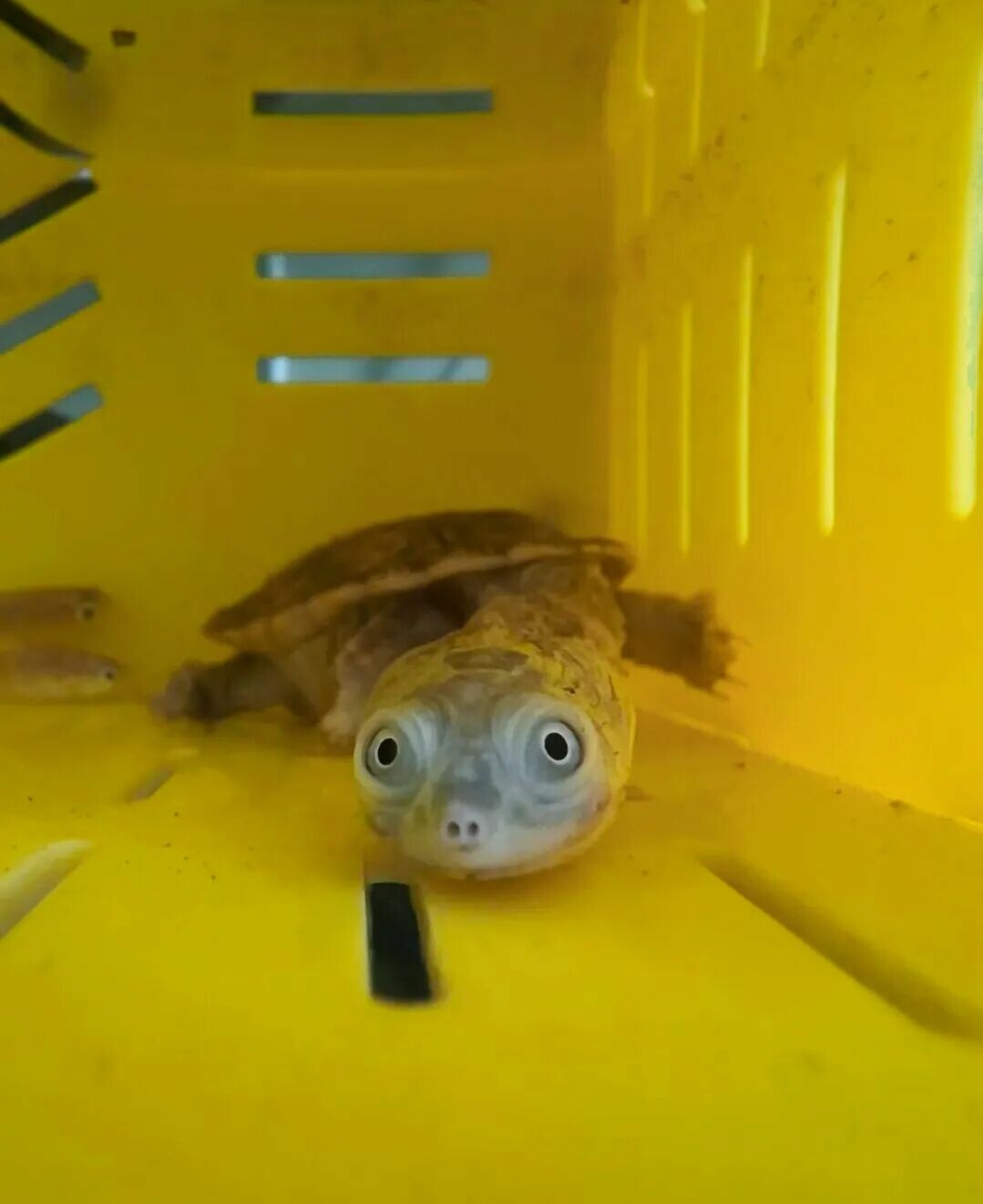
Land Field of View and Visual Range Limitations
After leaving the water, a turtle’s vision changes. The field of view can reach about 180 degrees, facilitating the observation of the surrounding environment, but clear visual range is relatively limited. They typically see very clearly within 2-4 meters, while anything further becomes blurry.
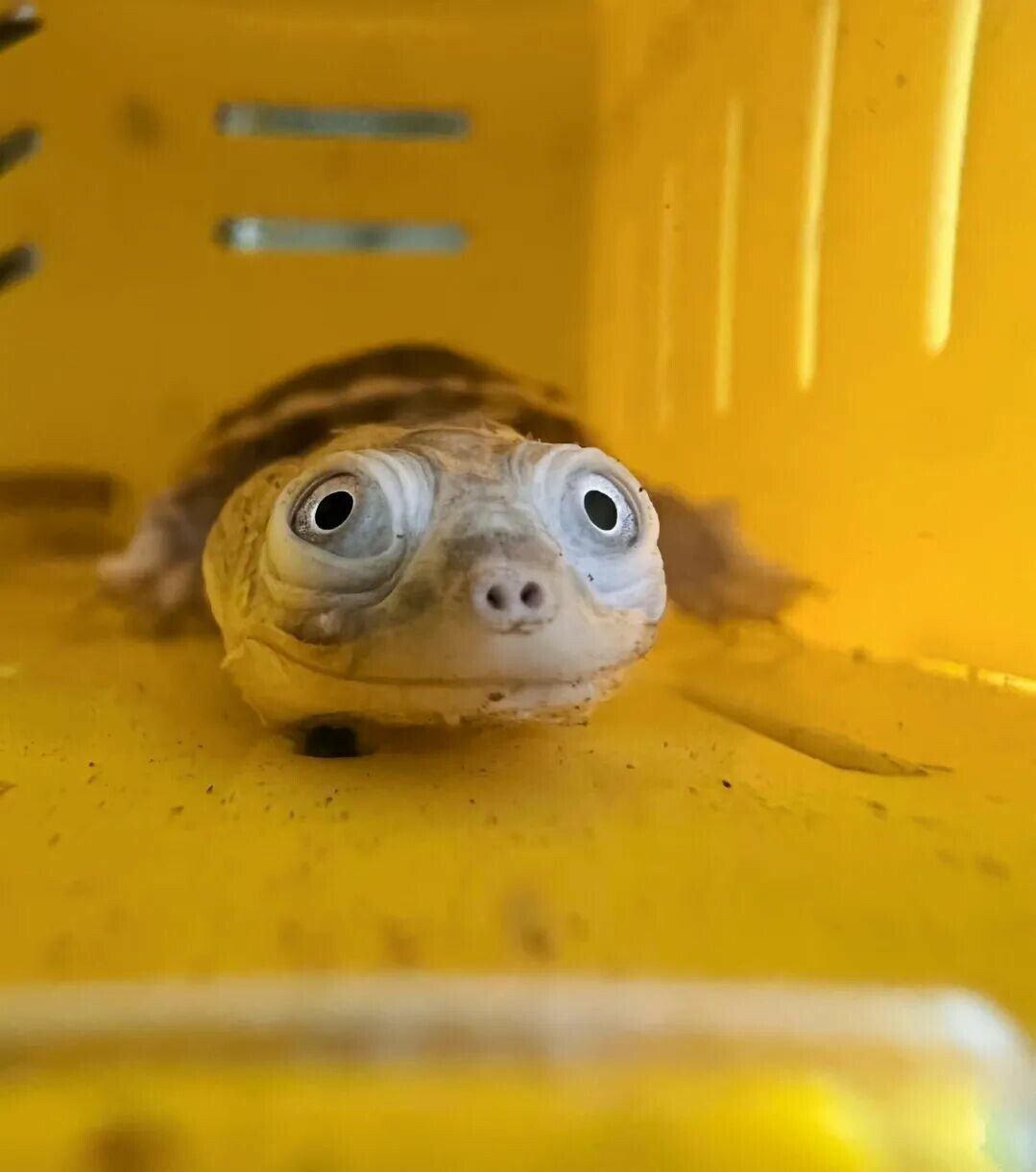
Night Vision Performance
Turtles’ night vision capability is not outstanding. In darkness, turtles need to dilate their pupils (the small circular opening in the center of the iris) just like humans to adapt. Therefore, when active at night, they rely more on other senses to cooperate with the adapted low-light environment (an environment where light is extremely weak).
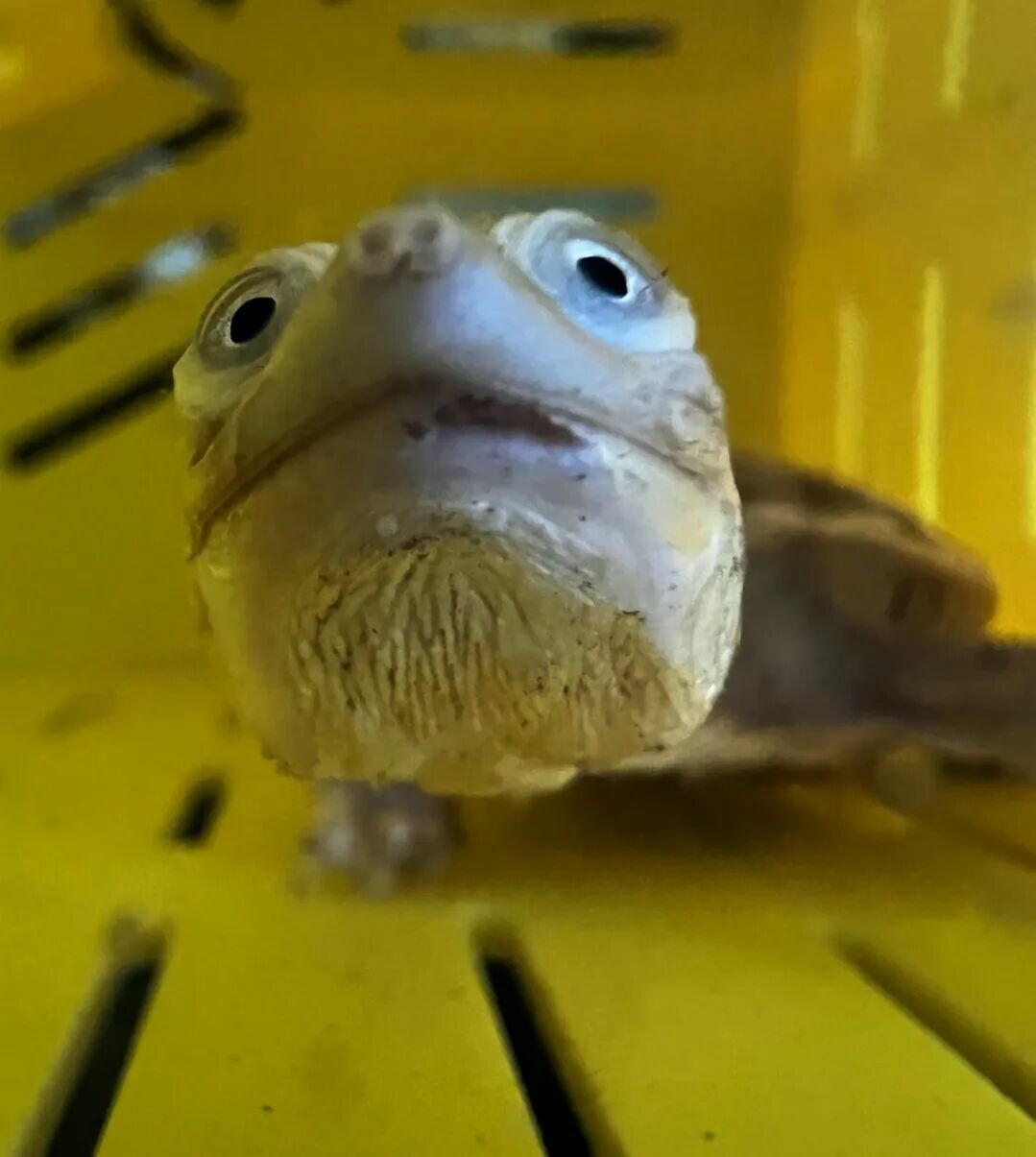
UV Perception "Hidden Skill"
Turtles can perceive ultraviolet rays (electromagnetic waves with a wavelength range of 10 nanometers to 400 nanometers). This ability helps turtles better judge the environment, identify objects, and even provides informational clues that humans cannot see when searching for food or choosing a habitat.
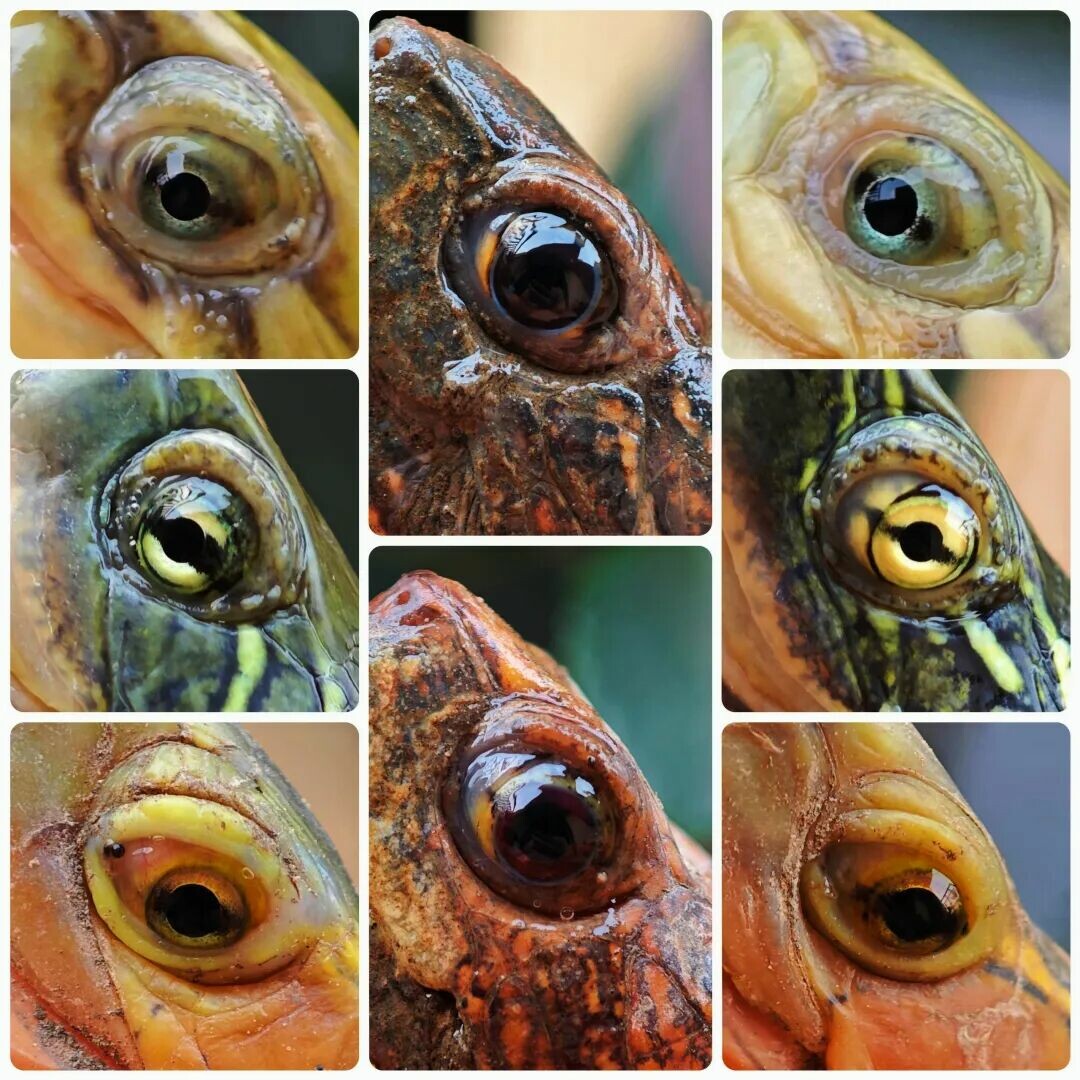
From this, we can conclude that by utilizing turtles’sensitivity to warm colors, using red or orange food dishes or toys can more easily attract the turtles’ attention.
Original article by 搬运工, if reproduced, please cite the source: https://www.kaipet.com/en/turtle-vision-revealing-fantastic-perspective-uv-rays-understanding-colors



Comments(1)
Turtles perceiving UV is amazing! How does this unique vision specifically help them choose habitats or locate unseen food sources?