

Potential Pathogens Carried by Turtles
Common Viruses and Bacteria
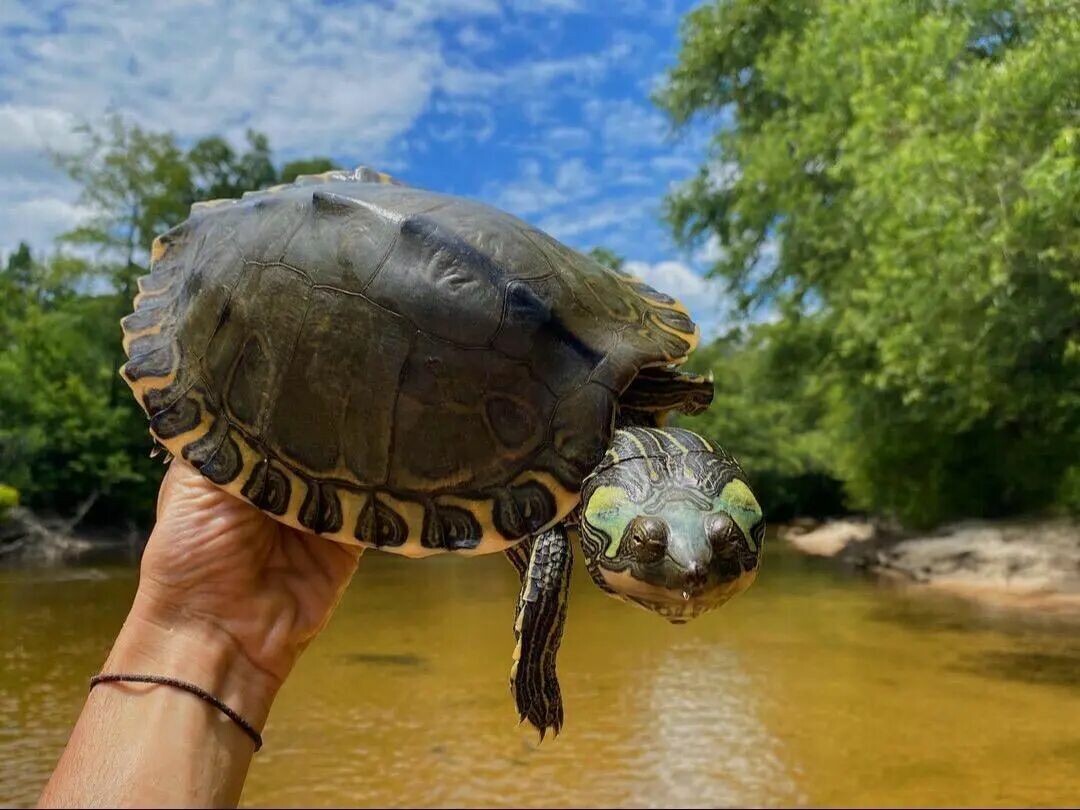
Salmonella: Nearly all turtles, especially freshwater and semi-aquatic turtles, can carry Salmonella in their intestinal tracts. They contaminate the environment with Salmonella through feces, urine, and even bodily secretions—turning everything from the water in the tank and feeding tools to tabletops and floors the turtle has crawled on into a potential breeding ground for germs. Its transmission characteristics and harm level are the highest. Human infection can lead to diarrhea, abdominal pain, fever, and vomiting, and in severe cases, it can cause sepsis.
Mycoplasma: The Mycoplasma from Chinese stripe-necked turtles (*Mauremys mutica*) may cause mild conjunctivitis or skin infections in humans upon contact.
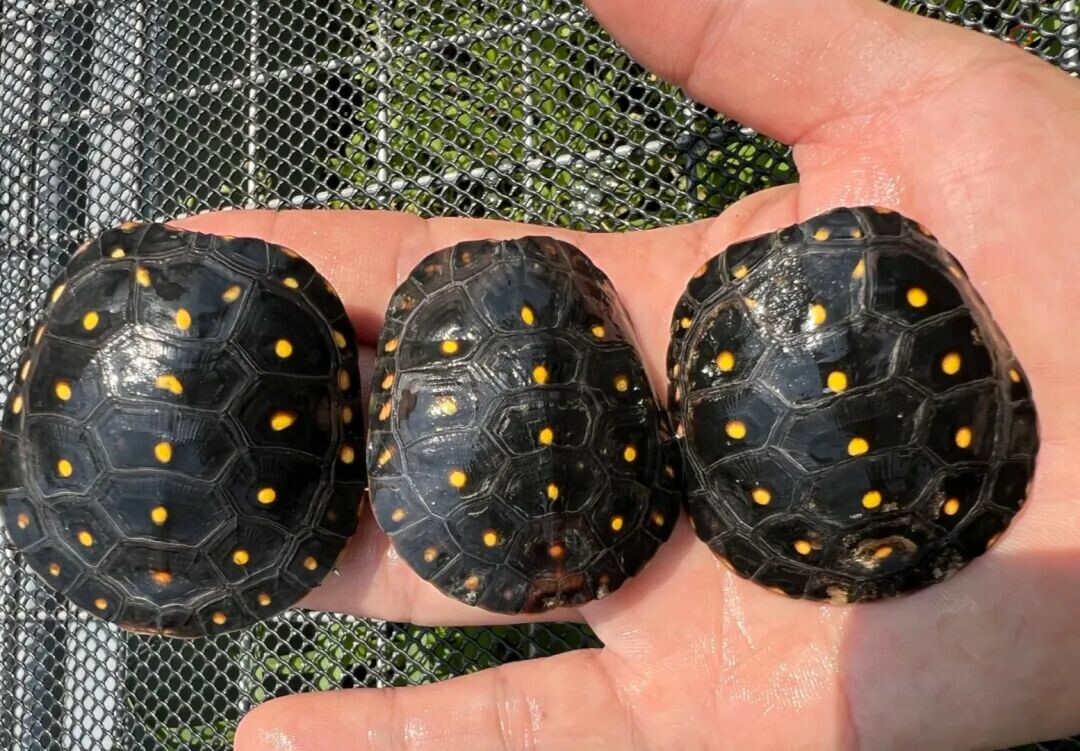
Chlamydia: The Chlamydia from Eastern box turtles (*Terrapene carolina carolina*) can lead to conjunctivitis or respiratory infections in humans; direct contact with secretions should be avoided.
Aeromonas: The Aeromonas from alligator snapping turtles (*Macrochelys temminckii*) may cause skin ulceration or sepsis if it comes into contact with a wound, requiring strict disinfection and handling.
Aeromonas hydrophila: The Aeromonas hydrophila from Chinese grass turtles (*Mauremys reevesii*) can cause intestinal infections or food poisoning in humans if it contaminates water sources.
Cryptosporidium: The Cryptosporidium from yellow-margined box turtles (*Cuora flavomarginata*) may cause chronic diarrhea in humans and poses a significant threat to immunocompromised individuals.
Escherichia coli: The E. coli from Sulcata tortoises (*Centrochelys sulcata*) can lead to urinary tract infections or intestinal diseases in humans after contaminating the environment.
Norovirus: The Norovirus from map turtles (*Graptemys*) can be transmitted indirectly through water sources, causing acute gastroenteritis in humans.
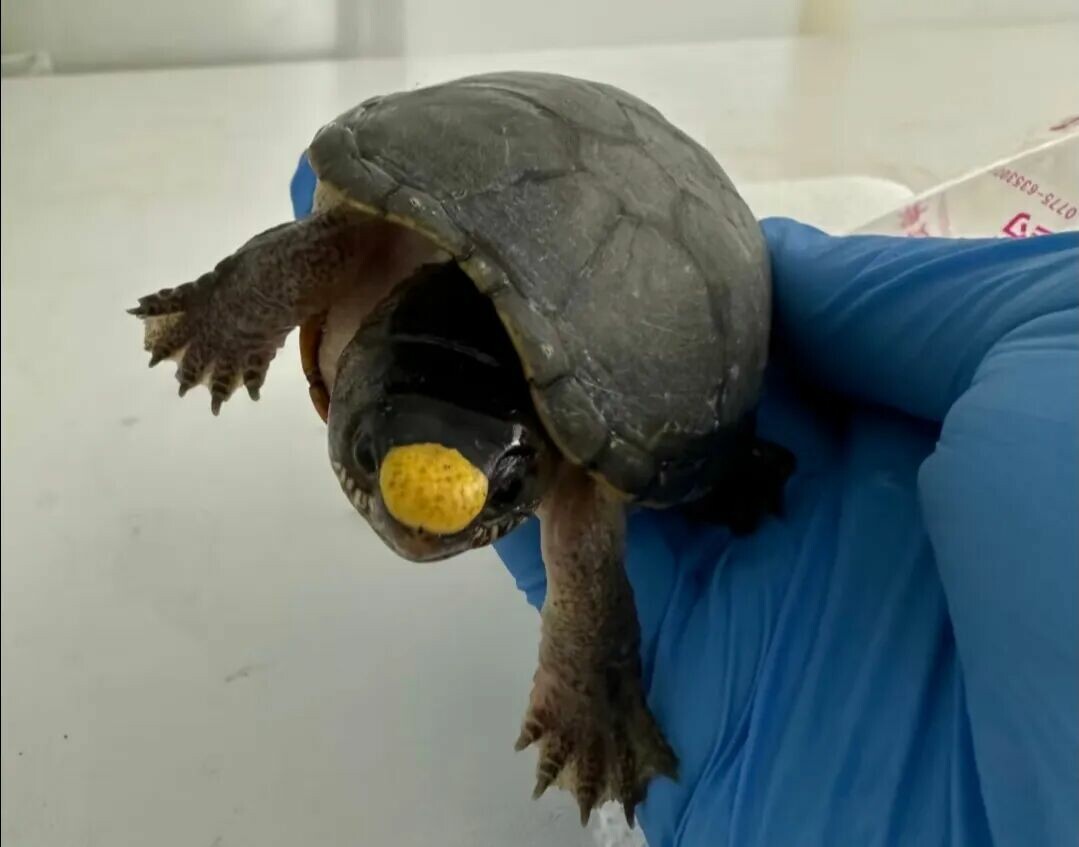
Turtle Herpesvirus: Herpesvirus is a significant infectious pathogen (pathogenic microorganism) for turtles, with different subtypes causing respiratory diseases, skin ulcers, and even death in turtles. Although cases of human infection with turtle herpesvirus are currently rare, some viral subtypes still have the potential for cross-species transmission. This is especially true for immunocompromised individuals who, after contact with an infected turtle’s secretions, may develop skin inflammation or respiratory discomfort. Its long-term risks are still under investigation.
How Pathogens Spread to Humans
The viruses carried by turtles are not only transmitted through bites or scratches. More often, they are hidden in the details of daily care, and one can easily get infected if not careful.
Contact Transmission: If you directly touch the contaminated water in the tank when changing it, or fail to wash your hands thoroughly after cleaning up turtle feces, the virus can enter the human body through “hand-to-mouth” or “hand-to-eye” routes.
Environmental Contamination: If water from the turtle tank spills onto floors or countertops, the virus can survive for hours or even days. Children may get infected by touching these surfaces and then putting their fingers in their mouths, or adults may get infected by handling food with contaminated hands.
Ingestion of Contaminated Food: Using containers that were used to clean the turtle tank to hold food, or eating vegetables and fruits that a pet turtle has crawled on without washing them first, will also increase the risk of infection.
Key Preventive Measures
Wash Hands Frequently: After touching the turtle, its tank water, or feeding tools, you must wash your hands with soap and running water for at least 20 seconds. Avoid rubbing your eyes or touching your mouth and nose with your hands.
Keep the Turtle Tank Away from Eating Areas: The turtle tank should be placed far away from the kitchen and dining table. Do not handle food near the tank. Tools for cleaning the tank (such as brushes and basins) must be dedicated and should not be used for household cleaning.
Regular Disinfection to Break the Chain of Transmission: Once a week, wipe the area around the turtle tank with a diluted chlorine-based disinfectant (like household bleach). Thoroughly clean the tank and replace the substrate monthly.
High-Risk Individuals Should Minimize Contact: It is recommended that infants, pregnant women, the elderly, and immunocompromised individuals avoid direct contact with pet turtles. The caregiving tasks should be handled by healthy adults.

Conclusion
Having a pet turtle adds a sense of tranquility and fun to our lives, but loving pet turtles does not mean ignoring the risks. Understanding the characteristics of viruses carried by turtles and taking proper daily precautions is a responsibility not only to our pets but also to the health of ourselves and our families. After all, true harmonious coexistence between humans and pets is never about blind intimacy but is built upon scientific understanding and rational prevention—letting these gentle turtles be life companions, not health hazards.
Original article by 搬运工, if reproduced, please cite the source: https://www.kaipet.com/en/pet-turtles-transmit-diseases-unveiling-9-common-pathogens-transmission-routes





Comments(2)
This is so insightful! For high-risk individuals, I wonder what safe ways they can still interact with their beloved pet turtles? Any tips?
@CriticX:Thank you for your thoughtful question, CriticX! For high-risk individuals, minimizing direct contact with the turtle and its environment is key. We recommend healthy adults handle all care tasks, allowing high-risk individuals to enjoy their pet by observing them from a distance without physical interaction.