

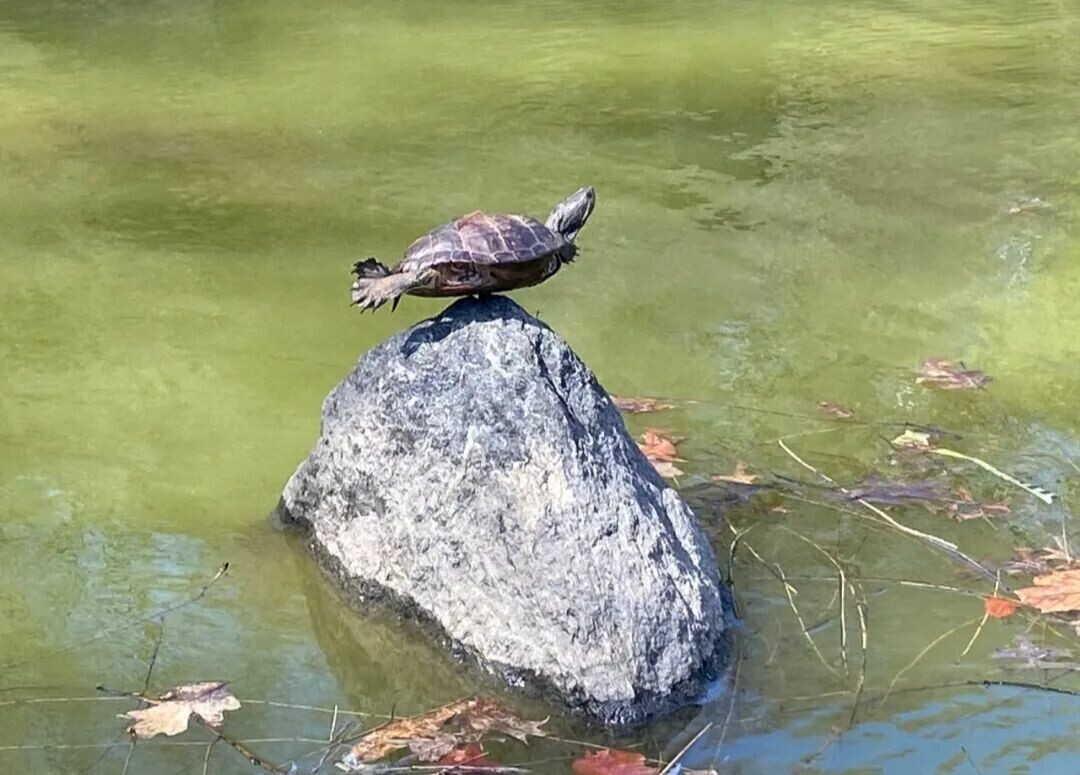
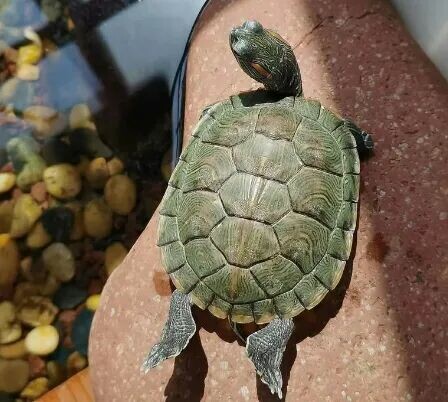
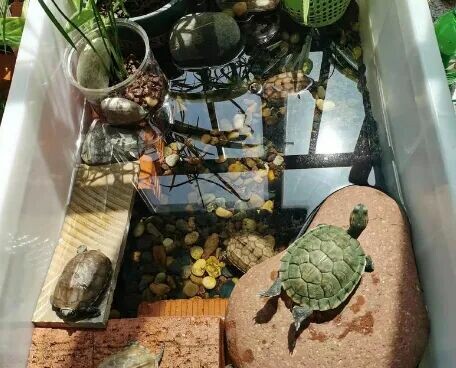
Basking is for promoting Vitamin D3 synthesis through ultraviolet ray exposure, which in turn helps with calcium absorption and is beneficial for bone growth and shell health. Basking also helps turtles raise their body temperature, boost their immune system, and, to a certain extent, inhibit the growth of bacteria on their body surface.
Is a Basking Lamp Necessary?
The key point is that it helps promote this process, similar to how a doctor advises people to get more sun. This means they can bask or not; basking is beneficial, but not basking isn’t harmful. However, it’s important to note that too much sun exposure is counterproductive. It should be clear that natural sunlight is the optimal solution for turtle basking.
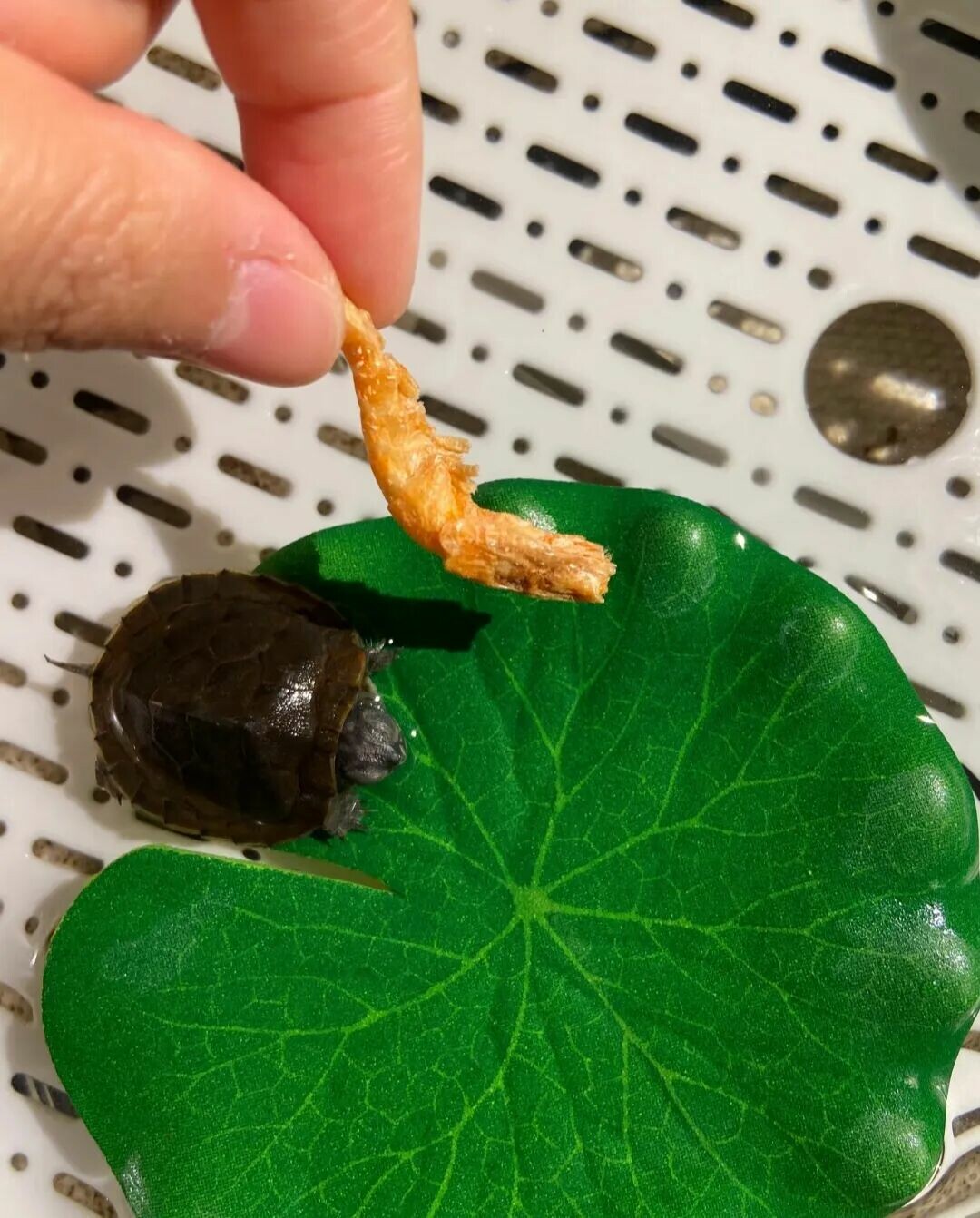
If you don’t buy a basking lamp, you can also ensure your turtle’s health through dietary supplements, such as choosing turtle food rich in calcium and Vitamin D3, or by occasionally feeding them foods high in calcium, like dried shrimp (with shell).
When to Consider Using a Basking Lamp
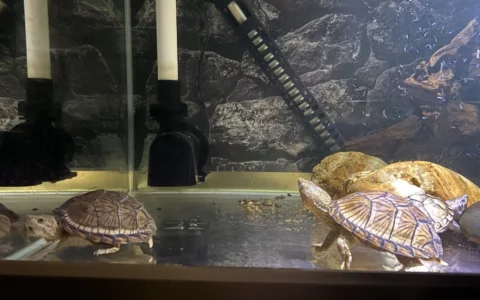
For turtles kept indoors, window glass blocks over 95% of the sun’s UVB rays. Even if the turtle tank is placed by a window, the turtle can absorb almost no UVB needed for Vitamin D3 synthesis. In this case, a basking lamp can be used as a supplement.
When outdoor sunbathing conditions are unavailable: For example, if you don’t have a balcony or yard, or if sunlight is frequently unavailable, you might consider using a basking lamp.
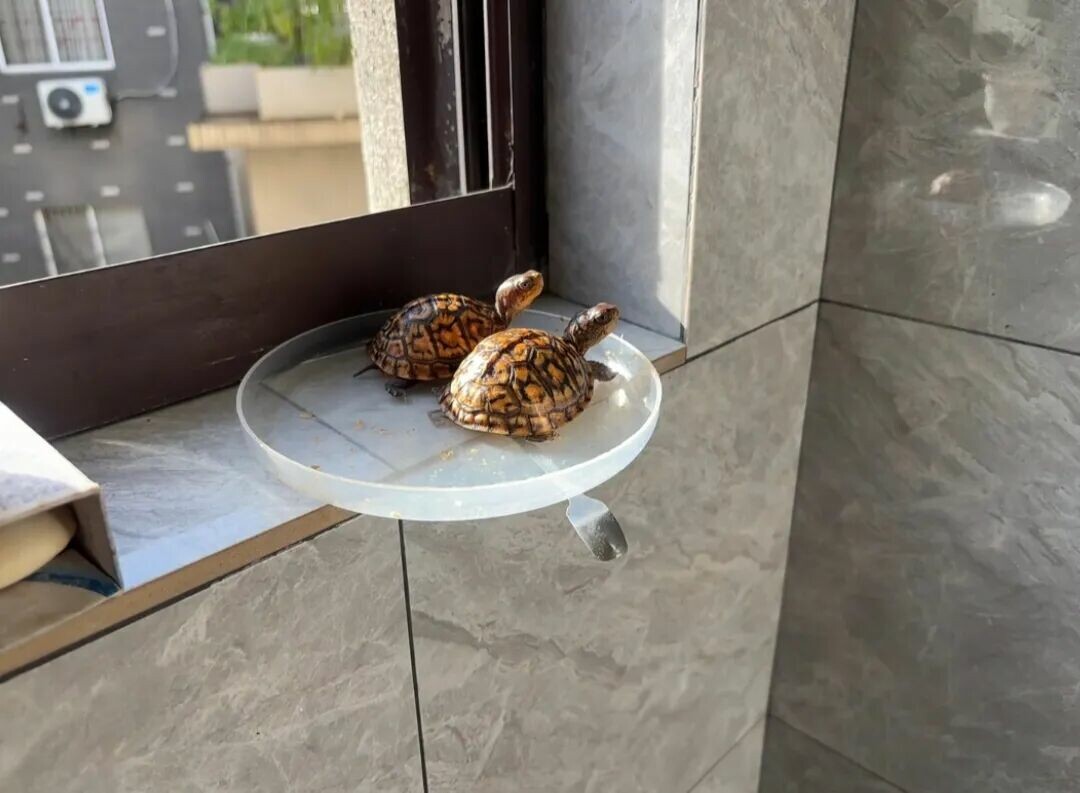
Note: Do not force turtles to bask. Basking does not necessarily require direct sunlight; natural, scattered sunlight is most effective.
Summary
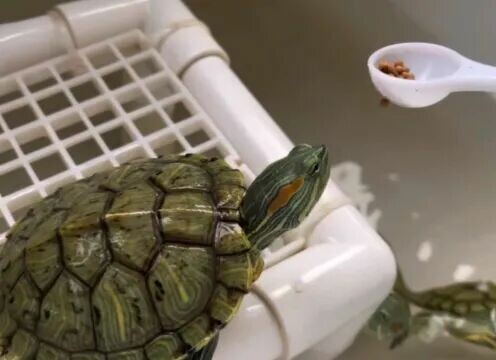
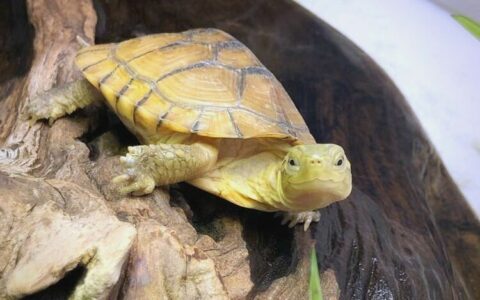
Red-eared sliders and Chinese turtles enjoy basking, but Musk/Mud turtles and Snapping turtles do not bask much. They can bask when the weather is warm, but not when there are large temperature fluctuations or when the temperature is too high. Sub-adults and adults can bask, but it’s best for hatchlings not to. A basking lamp can be used when there is no sunlight indoors. For aquatic turtles, a UVB 5.0 lamp is sufficient; LED models are more energy-efficient. Basking for about 2 hours daily is enough.
Original article by 搬运工, if reproduced, please cite the source: https://www.kaipet.com/en/turtles-bask-unveiling-relationship-uv-rays-vitamin-d3-shell-health




Comments(2)
Thanks for the great info! I’m curious about achieving ‘natural, scattered sunlight’ indoors. Any practical setup tips?
@CriticX:Thanks for asking! While natural scattered sunlight is ideal, windows block essential UVB rays. For indoor setups, a UVB 5.0 basking lamp for about 2 hours daily is generally recommended to ensure your turtle gets the necessary benefits.