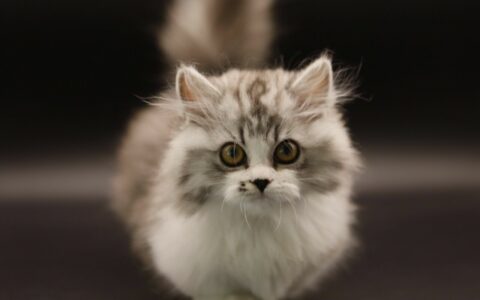
Cats, as human pets, have become part of many homes. Unlike dogs, cats are independent and quiet by nature, and many people choose to keep their cats indoors, believing that they are better protected. However, the question of whether cats can stay out of the house for the rest of their lives has sparked widespread debate.
Physical Needs of Cats
1. Sporting needs
Cats are natural hunters and love to jump, climb and chase. In the wild, cats spend a great deal of their day hunting, exploring and moving around. Although domesticated cats do not need to hunt for food, their need for exercise remains. If left out of the house for long periods of time without adequate exercise, cats are prone to obesity, joint problems and other health issues.
To solve this problem, owners need to provide their cats with abundant activity space and toys at home. For example, buy or make cat trees, tunnels and climbing frames to encourage cats to jump, climb and explore. In addition, owners can interact with their cats on a regular basis, using toys such as teasers and laser pointers to stimulate their interest in exercise.
2. Daylight requirements
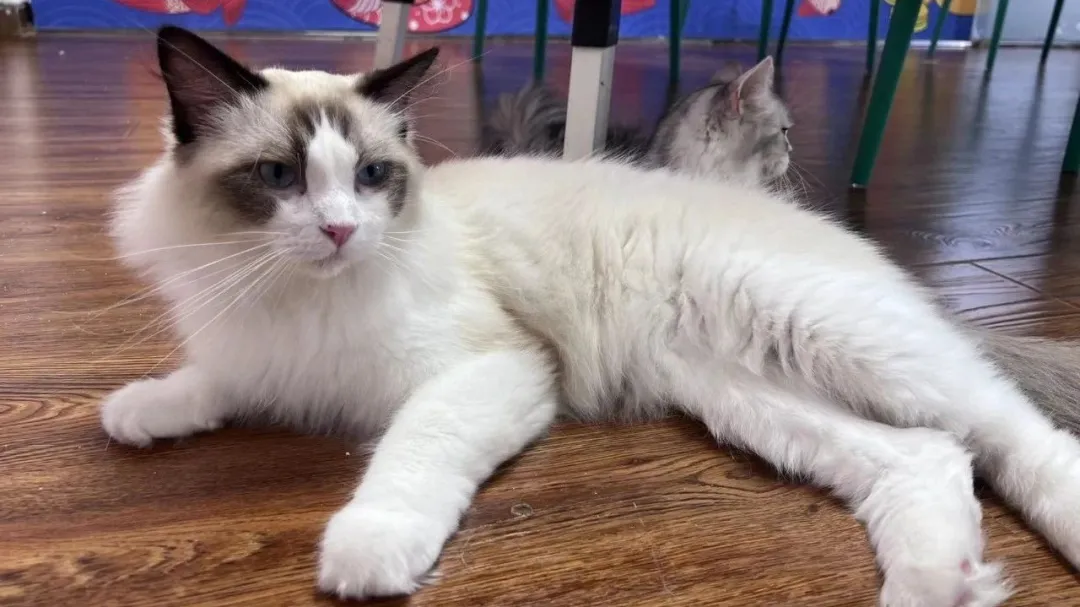
Sunlight is very important to your cat’s health. The ultraviolet rays in sunlight can help your cat synthesize vitamin D and maintain healthy bones. If a cat is not out of the house for a long time and lacks exposure to sunlight, it may lead to vitamin D deficiency, which can lead to a series of health problems.
To solve this problem, owners can set up places for their cats to bask in the sun in their homes. For example, place cat beds or lounge pads near windows so that cats can enjoy the sunlight. If you live in an area with less sunlight, consider using UV lamps to simulate a daylight environment and supplement the UV rays your cat needs.
Psychological Needs of Cats
1. Exploration and novelty
Cats are curious by nature and love to explore new environments and discover new things. If they do not leave the house for a long time and live in a single environment, cats may feel bored and depressed, and may even develop behavioral problems, such as excessive hair licking and aggressive behavior.
To address this problem, owners need to provide their cats with new stimulation and opportunities for exploration on a regular basis. For example, change the furnishings in the home frequently and add new toys and activity facilities. You can also make use of simple items such as cardboard boxes and paper bags to create a variety of exploration props that interest your cat.
2. Socialization needs
Although cats are relatively independent, they do require some social interaction, especially with their owners. If a cat lacks socialization for a long period of time, it may feel lonely and anxious.
To solve this problem, owners need to spend time interacting with their cats, petting, playing and talking. Through daily interaction, not only can the cat’s socialization needs be met, but also the relationship with the cat can be enhanced. If conditions permit, consider keeping two cats to keep them company and play with each other.
Safety of the environment
1. Safety of the indoor environment
While the indoor environment is relatively safe, there are some potential dangers. For example, electrical wires, sharp objects and poisonous plants can pose a threat to cats. Therefore, owners need to scrutinize every corner of their home to ensure that there are no dangerous items, especially in places that are easily accessible to cats.
In addition, some household chemicals, such as detergents and insecticides, are toxic to cats and require special attention when used. Keeping the home tidy and cleaning up the cat’s feces and food residues in a timely manner will also help maintain a safe and hygienic environment.
2. Avoiding outdoor hazards
Compared to indoors, the outdoor environment has more dangers. For example, traffic accidents, attacks from other animals, poisonous plants and chemicals can all pose a threat to the life and safety of cats. Therefore, keeping cats indoors can effectively avoid these potential dangers.
Health Management for Indoor Cats
1. Regular health check-ups
Although the indoor environment is relatively safe, cats still need regular health check-ups to prevent and promptly detect potential health problems. Regularly taking your cat to the veterinarian for medical checkups, vaccinations, deworming, etc. is a basic measure to ensure your cat’s health.
2. Dietary management
Indoor cats are more prone to obesity problems due to their lower activity level. Therefore, owners need to control the amount of food their cats eat and choose cat food and snacks that are suitable for them. A moderate diet and balanced nutrition will help maintain a healthy weight and good physique of the cat.
Cats can stay out of the house for a lifetime, but only if their owners need to provide them with adequate exercise, daylight, mental stimulation and social interaction, while ensuring that the indoor environment is safe and healthy to manage. Through scientific care and reasonable arrangements, indoor cats can also have a healthy and happy life.
In modern society, many owners choose to keep their cats indoors, not only to protect their cats’ safety, but also to minimize the impact on the outside environment. However, no matter which type of care is chosen, the most important thing is to respect and understand the needs of cats and give them enough love and care. Only in this way can cats live a healthy and happy life in our company.
Original article by KPTer, if reproduced, please cite the source: https://www.kaipet.com/en/cat-stay-rest-life