


Symptoms of Early Pregnancy
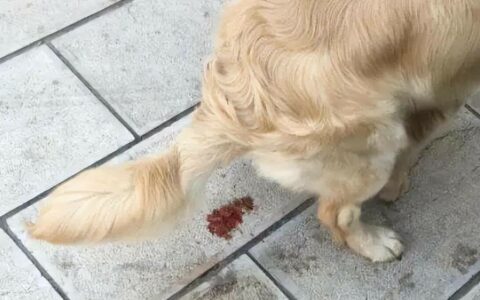
- Bleeding Phenomenon: Within one week after mating, the female dog may experience slight bleeding, which usually indicates a higher chance of conception.
- Early Symptoms: Around fifteen to twenty days, the female dog may exhibit symptoms such as vomiting, loss of appetite, and lethargy.
Changes During Mid-Pregnancy
- Breast Changes: Around thirty days, the female dog’s breasts will undergo noticeable changes, gradually swelling and taking on a slightly pink hue. Her temperament may also change, becoming less active and playful than before.
- Abdominal Swelling: After forty-five days of pregnancy, the sides of the dog’s abdomen will become noticeably swollen. The abdomen will also droop, forming a slight arc, and the frequency of urination will increase accordingly.
- Fetal Movement Sensation: After fifty days, by touching the dog’s abdomen, one can clearly feel the movement of the fetus.
Preparations Before Delivery
- Parturition Time: The dog will start to give birth between fifty-eight and sixty-two days of pregnancy. Before delivery, they may experience a decrease in appetite.
- Nutritional Supplementation: After forty days of pregnancy, we can supplement the dog with some vitamin C and calcium tablets. At this time, the dog’s food intake should be doubled compared to normal.
- Precautions: During pregnancy, it is prohibited to use medication arbitrarily, engage in vigorous exercise, or run around, to prevent fetal death or miscarriage.
In the later stages of a dog’s pregnancy, we can take them for appropriate walks to prevent complications such as dystocia during delivery.
Original article by KPTer, if reproduced, please cite the source: https://www.kaipet.com/en/obvious-signs-dog-pregnancy-comprehensive-analysis-conception-delivery
Cage Training, Semi-Free-Range, or Full Free-Range? Essential Dog-Raising Tips for Beginners Part 08
The Most Obvious Signs of Dog Pregnancy: A Comprehensive Analysis from Conception to Delivery Part 06



Comments(2)
This guide is so helpful! I’m curious, beyond walks, what other proactive tips can help prevent dystocia during delivery?
@CriticX:Thank you, CriticX, for finding our guide helpful! Beyond appropriate walks, maintaining a balanced diet, ensuring proper hydration, and regular veterinary check-ups are vital for preventing dystocia. Always consult your vet for personalized advice regarding your dog’s pregnancy.