


The idiom “Wu’s ox pants at the moon” describes an ox raised in the south panting at the sight of the moon out of fear of heat. When similar panting occurs in dogs, however, it may not be a trivial reaction.
Do Cats Pant Too?
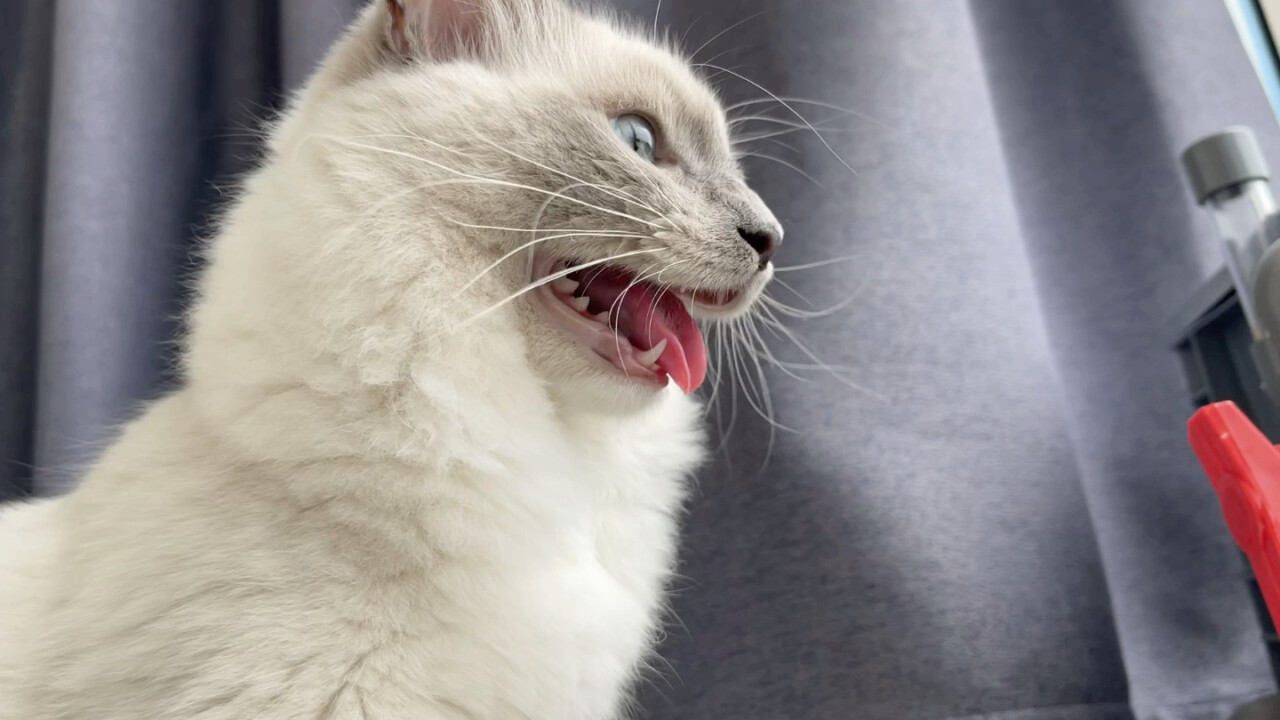
Do cats experience similar panting? Fortunately, cats rarely pant under normal circumstances. If you notice panting in a cat, it may indicate airway compromise or another serious issue—an emergency not to be ignored.
Causes of Normal, Physiological Panting
First, it is important to understand canine physiology. Dogs have poorly developed and unevenly distributed sweat glands, so when their body temperature rises in hot weather or after vigorous exercise, you will see them open their mouths, stick out their tongues, and pant rapidly, often drooling. This panting is a natural means of dissipating excess heat. Occasional panting can also occur when a dog is overly anxious or excited.

When Panting Becomes Abnormal
Why do some older dogs—and even some young dogs—pant heavily even in an air-conditioned room or at rest? Attentive owners often ask veterinarians this question, yet many dismiss it as normal because they lack a clear understanding of its potential seriousness.
Possible Causes of Abnormal Panting
Beyond normal thermoregulation, abnormal panting may signal one or multiple underlying disorders. If you suspect any of the following, seek veterinary care without delay.
Respiratory System Disorders
- Upper airway obstructive disorders: nasal or nostril stenosis or blockage; pharyngeal dysfunction; nasopharyngeal polyps or tumors; tracheal collapse or compression; acromegaly.
- Lower respiratory tract diseases: impaired gas exchange in the alveoli due to pulmonary edema, hemorrhage, pneumonia, interstitial fibrosis, bronchiectasis, emphysema, lobar torsion, primary or metastatic pulmonary tumors, asthma.
- Pleural cavity diseases: pleural effusion, pneumothorax, mediastinal tumors, diaphragmatic hernia.
Cardiac Abnormalities
- Cardiovascular dysfunction such as heartworm disease, pulmonary embolism, congenital cardiopulmonary vascular malformations.
- Left-sided congestive heart failure, including mitral valve insufficiency, congenital left-to-right shunts, cardiomyopathies, atrial fibrillation.
- Low cardiac output due to arrhythmias, aortic or pulmonary stenosis, pericardial tamponade.
- Right‑to‑left shunts such as patent ductus arteriosus, Tetralogy of Fallot, or malposition of the aorta.
Hematologic Conditions
- Inadequate oxygen transport due to anemia (various etiologies), methemoglobinemia, carbon monoxide poisoning.
- Metabolic acidosis from renal disease, diabetes, shock, diarrhea, or toxins.
Neurological Disorders
- Head trauma or brain tumors affecting the respiratory center.
- Myasthenia gravis, tetanus, polyneuritis, or neuritis causing respiratory muscle failure.
- Diaphragmatic paralysis from diabetic neuropathy.
- Epilepsy leading to respiratory center excitation, lactic acid buildup, and hyperthermia causing tachypnea.
Other Contributing Factors
Obesity, ascites, organomegaly, or pregnancy can increase abdominal pressure and restrict diaphragmatic motion. Fever, heatstroke, hyperthyroidism, and stress or excitement can also trigger rapid breathing.

The causes of canine panting are complex and potentially life‑threatening. Never ignore persistent or severe panting. Consult your veterinarian promptly for thorough evaluation and early intervention.
Original article by KPTer, if reproduced, please cite the source: https://www.kaipet.com/en/dog-panting-heavily-asthma-heart-disease-heatstroke-alerts




Comments(2)
Such a vital read! I appreciate how you detail the serious causes of panting. What’s often the very first symptom pet parents notice?
@CriticX:Thank you, CriticX, for your thoughtful feedback! Pet parents often first notice panting that is unusually heavy or occurs in situations where it’s not expected, such as in cool environments or during rest. Observing this change is key for early detection.