

Periodontal disease primarily includes periodontitis and gingival abscess. These are acute or chronic inflammations of the periodontal ligament and surrounding tissues. In severe cases, alveolar bone resorption, tooth mobility, and gingival recession may occur. While lesions can be localized to a single tooth, they are usually generalized.
Etiology
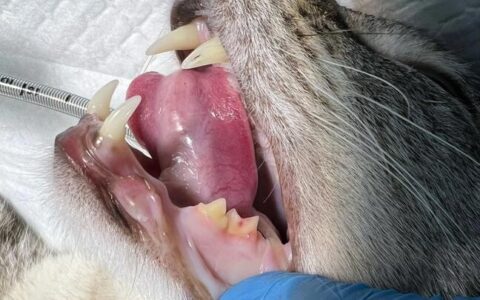
The main cause is the prolonged feeding of canned or soft foods to dogs and cats, which allows food debris to accumulate on the teeth and eventually form dental calculus. Mechanical irritation by tartar, secondary bacterial infection, and other factors lead to periodontal disease. Additionally, mandibular dysfunction and weakened masticatory movements can contribute to its development.

Pathogenesis
Tartar adheres and accumulates on the tooth surface, extending downward toward the gingiva. This stimulates bleeding, congestion, and swelling of the gums, gradually separating the gingival margin from the tooth neck. Food particles become trapped between calculus and the gingival margin, fermenting and decaying, which further infects and inflames the surrounding tissues. Purulent exudate forms, loosening the teeth, and may cause the alveolar processes, periodontal ligament, and parts or all of the surrounding gingiva to detach.
Clinical Signs
Common signs include bad breath and hypersalivation. Affected animals maintain appetite but can only eat soft or liquid diets and avoid chewing. Touching the teeth may elicit severe pain. Cats, in particular, may suddenly stop eating; in severe cases, convulsions or spasms occur, and some may exhibit circling behavior or collapse, resisting examination. Molars are most often affected. In the early stages, gentle probing of the diseased tooth with forceps usually causes noticeable pain, which may lessen when the tooth becomes loose. If abscess formation is imminent, gentle pressure can express pus.

Preventive Recommendations
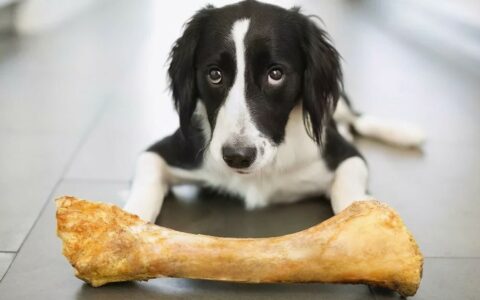
- Provide dogs with bones (unhindered by excess fat and avoiding small chicken or duck bones), rubber chew toys, or vegetable sticks to gnaw on regularly.
- Feed dry kibble (dog or cat food), which saves time and effort, ensures balanced nutrition, and—most importantly—helps prevent periodontal disease.
- Schedule regular dental check-ups and professional tartar removal.
- If possible, brush your dog’s or cat’s teeth regularly using toothpaste and toothbrushes specially formulated for pets.
Advice: If your dog or cat develops bad breath, please visit a veterinary clinic as soon as possible for an examination.
Original article by KPTer, if reproduced, please cite the source: https://www.kaipet.com/en/guide-preventing-periodontal-disease-dogs-cats-bad-breath-tartar-removal-dental-cleaning-methods


Comments(2)
这个预防指南很有用!想问下,除了干粮,有没有推荐的洁牙零食呢?
@CriticX:您好!感谢您的提问。除了干粮外,一些宠物专用的洁牙零食也是不错的选择,比如洁牙饼干、洁牙骨等。这些零食通常具有特殊的形状和质地,有助于摩擦牙齿表面,减少牙菌斑和牙结石的形成。建议您在选择时注意成分,避免含有过多添加剂或糖分的零食。另外,定期刷牙和专业洗牙仍然是最有效的牙齿保健方法哦!