

Intervertebral disc herniation is a condition characterized primarily by motor dysfunction, resulting from deformation and dorsal or ventral protrusion of the disc compressing the spinal cord.
Etiology
Disc degeneration is considered the fundamental factor in the development of this condition. In the presence of this underlying vulnerability, any external force applied to the vertebral column can trigger onset. Such precipitating forces include jumping from heights, frequent stair climbing, vigorous play involving running and jumping, rearing up on the hind limbs, or sudden slips on smooth surfaces. Following such trauma, the affected disc is compromised, often eliciting vocalizations of pain. Progressive signs include reluctance to move, preference for recumbency, lumbar discomfort, hindlimb weakness, and ataxia. In some cases, acute paraplegia of the hindquarters may ensue.
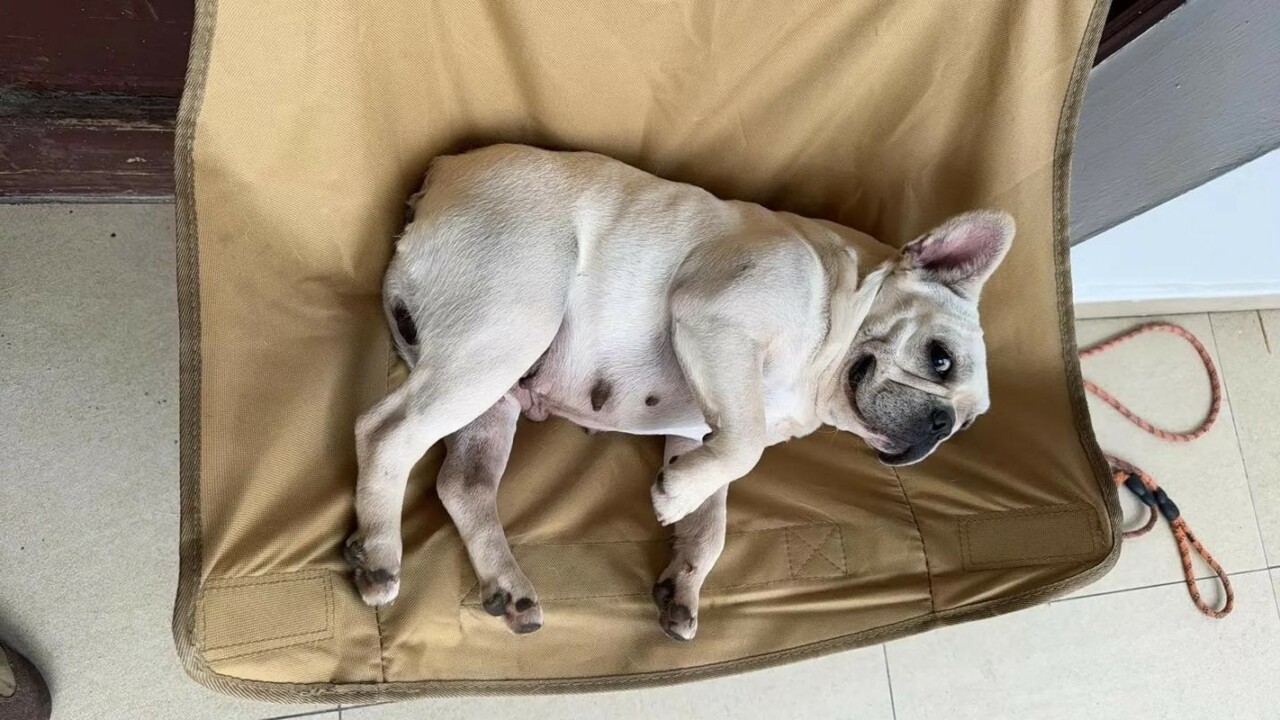
This condition is commonly observed in Dachshunds, Pekingese, Shih Tzus, Maltese, French Bulldogs, Beagles, American Cocker Spaniels, and Basset Hounds.
Clinical Signs
The onset is often sudden. Affected dogs may exhibit a hunched back, abdominal guarding, reluctance to move, ataxic gait, dragging of the hindlimbs or hindlimb paralysis, and difficulty with or loss of bowel and bladder control. Palpation of the lumbar region typically provokes a pain response.
- Cervical disc herniation is characterized by resistance to head and neck movement.
- Thoracolumbar disc herniation is indicated by refusal to ascend or descend stairs.
Diagnostic Methods
Clinical presentation often suffices for a presumptive diagnosis. Definitive confirmation requires radiography; myelography provides exact localization. Obtain two radiographic views—lateral and dorsoventral. At the site of herniation, radiographic translucency is reduced, most frequently between the caudal thoracic and cranial lumbar vertebrae.
Treatment Recommendations
Prognosis depends on the extent and nature of the lesion.
Acute ascending myelomalacia (ascending spinal cord softening) in dogs is typically unresponsive to treatment and often fatal.
Some paraplegic cases respond poorly to conservative management; these should at minimum receive appropriate rest and nutritional support, with adjunctive acupuncture treatment and prompt relief of fecal and urinary retention.
Clinical Statistics
A veterinary hospital reported treating 29 cases from January to May. Among these, Pekingese accounted for 40 occurrences (sic), with onset ages ranging from 2 months to 3 years.
Through symptomatic therapy, supportive care, nutritional management, and targeted acupuncture point injections, most dogs showed marked improvement within 1–3 days.
According to these statistics, the cure rate exceeded 90%, and the efficacy rate reached 100%.
If you suspect that your pet may have this condition, please seek prompt veterinary evaluation.
Original article by KPTer, if reproduced, please cite the source: https://www.kaipet.com/en/canine-intervertebral-disc-herniation-early-recognition-key-diagnostic-points


Comments(2)
这个病好发于小型犬啊,学习了!想问一下,除了文中提到的犬种,还有其他高发犬种吗?
@CriticX:您好!感谢您的提问。文章中提到的犬种是该病的高发犬种。除此之外,博美犬、约克夏梗犬等小型犬也比较容易患椎间盘突出。此外,肥胖的犬只也更容易出现椎间盘问题。建议您平时注意控制宠物的体重,避免剧烈运动,定期进行体检,以便及早发现和治疗。