

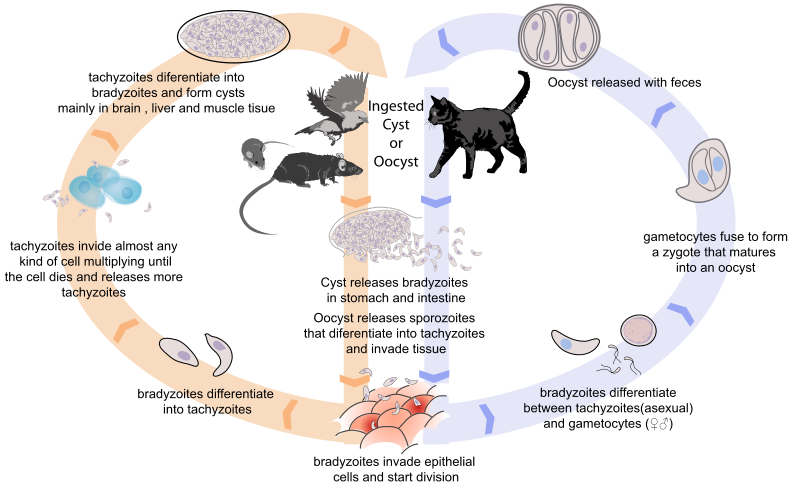
Toxoplasmosis, also known as Toxoplasma gondii infection, is an intracellular protozoan disease shared by humans and animals.
To date, natural infection has been confirmed in 45 mammal species, 70 bird species, and 5 poikilotherms. Incidence, morbidity, and mortality rates are rising annually, posing a serious threat to human and animal health.
Dogs and other animals can acquire infection not only via the gastrointestinal route but also through compromised skin, respiratory tract, eyes, and the placenta. Additionally, transmission by blood transfusion has been reported.
Clinical Signs
Acute Form
Primarily affects young dogs. Body temperature rises to 40–42 °C and remains elevated for 3–4 days. Affected dogs become lethargic and anorexic.
Mucous membranes may appear pale or jaundiced. Purulent ocular discharge may be present at the canthi. Nasal discharge is serous, accompanied by coughing and rapid, shallow breathing. Dogs often breathe abdominally with moist rales on auscultation and may vomit.
Constipation or diarrhea may occur; severe cases develop hemorrhagic diarrhea, profound depression, extreme dyspnea, convulsions or paralysis, and recumbency. After 7–10 days of illness, some dogs develop retinitis or choroiditis, and purplish-red patches or petechiae may appear on the ear flaps, neck, back, or ventral abdomen. In other cases, body temperature begins to decline, but mortality may ensue. Mortality in young dogs can reach 35–40%, and pregnant bitches may experience preterm labor or abortion.

Chronic Form
Approximately 10–14 days post‑infection, following the intense replication phase of the parasite, the dog mounts an antibody response that halts tissue invasion and may eliminate the organism, allowing fever to subside and appetite to return. However, growth may be stunted, leaving some dogs underdeveloped and thin.
Because antibody levels in muscle, brain, and ocular tissues are insufficient to eradicate all parasites, T. gondii may persist in these sites, leading to a range of neurologic and musculoskeletal signs such as motor deficits, hindlimb paralysis, seizure‑like spasms, torticollis, and visual impairment.
Subclinical (Asymptomatic) Form
Mostly seen in adult dogs. Clinical signs are absent or minimal—residual signs from the chronic phase may linger. Subclinically infected dogs risk reactivation to the acute form if re‑infected or coinfected with other pathogens, potentially leading to overt disease or fatality.

Integrated Prevention and Control Measures
Screening and Culling
- Conduct regular blood tests on dogs and other co‑habiting animals. Isolate or treat those with subclinical infection and implement planned culling to eliminate reservoirs.
Environmental Disinfection
- Maintain cleanliness of kennels and exercise areas. Disinfect regularly (e.g., with ammonia solutions), and only use fecal matter after fermentation treatment.
Preventing Feline-Sourced Contamination
- Only felids shed oocysts in feces. Prohibit cats in dog facilities or prevent cat–dog contact. Properly dispose of cat feces and disinfect suspected contaminated areas with ammonia.
Dietary Management
- Do not feed dogs raw meat, raw milk, raw eggs, or animal offal potentially containing T. gondii cysts. Carcasses of infected or suspected animals must be destroyed or rendered safe.
Chemoprophylaxis
- When necessary, administer sulfonamide drugs periodically—e.g., one week on, one week off, then one more week—based on the epidemiological situation of the kennel.

On “Toxoplasmosis in Humans”
Toxoplasmosis is a zoonosis that can be fatal in humans and may cause fetal death in pregnant women—but infection does not invariably lead to death.
It is vital to adopt preventive practices, especially washing hands thoroughly before meals after contact with pets.
Original article by KPTer, if reproduced, please cite the source: https://www.kaipet.com/en/clinical-signs-diagnosis-canine-toxoplasmosis-acute-chronic-subclinical-presentations






Comments(2)
Such vital information! I’m especially interested in the subclinical form. What are the best ways to screen adult dogs for it?
@CriticX:Thanks for your interest! The article highlights regular blood tests as a key method for screening adult dogs for subclinical toxoplasmosis. Consulting a veterinarian for specific advice is always recommended.