

Dogs may vomit due to canine parvovirus infection or simply from overeating. Because dogs tolerate hunger better than fullness, overeating often triggers vomiting. However, if you suspect distemper or parvovirus, seek veterinary care immediately.
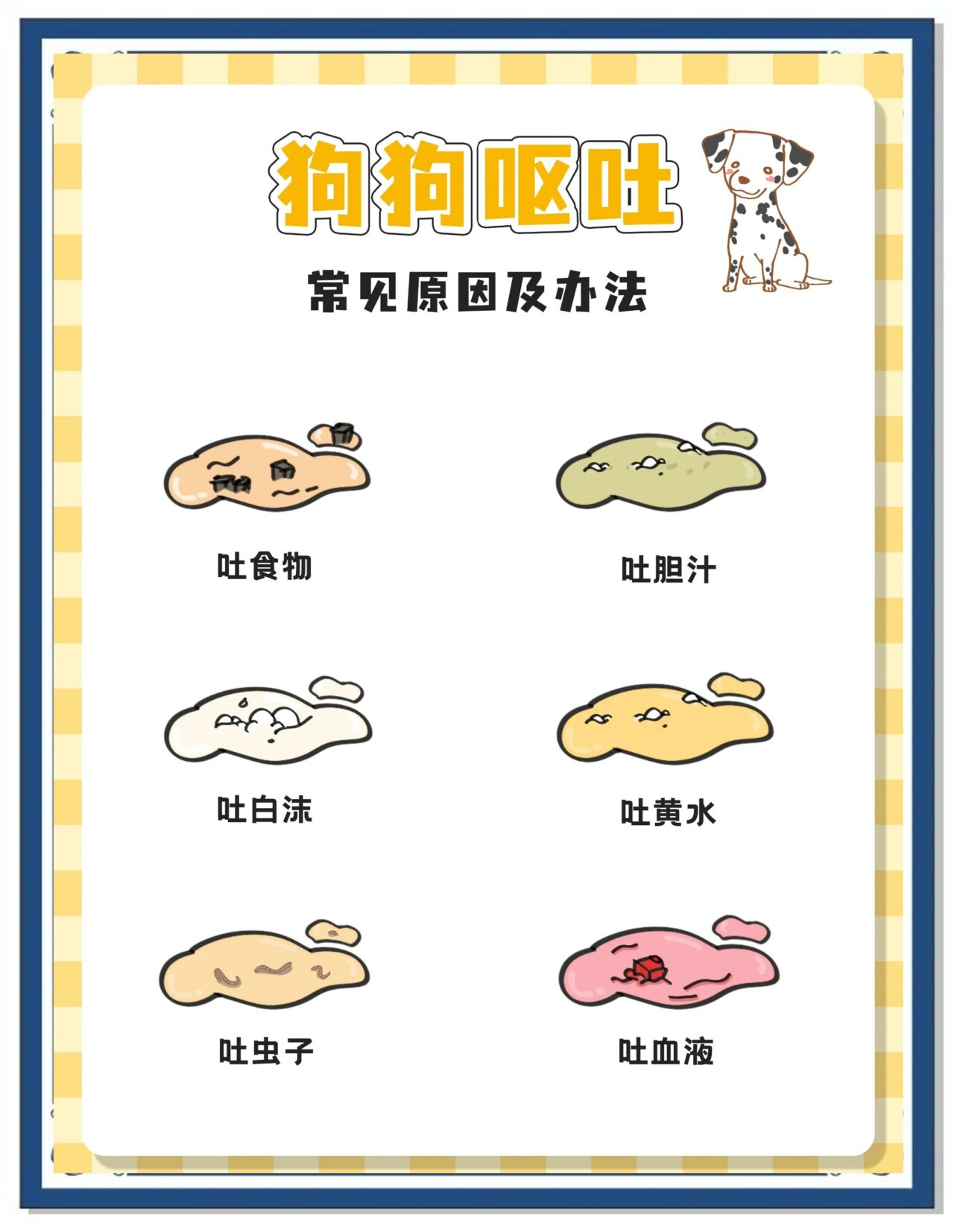
Observing the Color and Consistency of Vomitus
When your dog vomits, note the color and texture of the vomitus—this information helps your veterinarian pinpoint the cause.
- White, thick, sticky like a cream puff or the whipped cream on iced coffee, lifting as a single mass.
- Most often saliva, indicating esophageal issues such as an esophageal foreign body (commonly bones) or a congenital heart defect like persistent right aortic arch. Your vet can confirm by examination.
- Food regurgitated and then immediately eaten back with no further issue.
- This is physiological/regurgitation‑type vomiting, akin to “rumination,” and typically does not require veterinary attention.

- Clear or thin white fluid.
- This is gastric acid/vomit, most common in acute gastritis. If your dog returns to normal after vomiting, you may withhold food for 12 hours before resuming a bland diet. Persistent vomiting, however, warrants veterinary evaluation for possible gastrointestinal obstruction, or underlying liver, kidney, or pancreatic disease.
- Yellow‑green fluid.
- This is bile, and vomiting of bile requires veterinary attention, as it may signal ulcers in the gastrointestinal tract or other organ dysfunction.
- Yellow‑green fluid on an empty stomach, with the dog otherwise acting normal afterward.
- This describes bile vomiting syndrome, often occurring before the first meal of the day.
- Coffee‑brown vomitus, not resembling food.
- Indicates bleeding in the stomach, most commonly from a gastric ulcer or duodenal ulcer.
- Bright red blood in vomitus.
- This is acute hemorrhage. Do not hesitate—seek emergency veterinary care immediately.
Symptoms of Vomiting Not to Ignore
While dogs often appear fine after a single bout of vomiting, apart from physiological/regurgitation‑type vomiting, any recurrent or severe vomiting should prompt a veterinary visit. Mild cases may respond to simple medication, but ignoring symptoms risks progression from inflammation to serious ulcers or bleeding, endangering your beloved pet.
Dietary Precautions
Dogs should avoid eating bones, especially sharp poultry bones. Swallowing bones with sharp edges can injure the gastric mucosa, leading to acute gastric ulcers. Affected dogs may develop sudden vomiting, anorexia, and abdominal pain; delayed treatment can result in chronic gastric ulcers.
Original article by KPTer, if reproduced, please cite the source: https://www.kaipet.com/en/dog-vomiting-guide-observing-vomitus-color-consistency







Comments(2)
Such a helpful guide! I’m curious, what was the most surprising thing you learned from observing your dog’s vomit?
@CriticX:我们很高兴这篇指南对您有所帮助!这是一个很好的问题。我们鼓励文章作者和我们的社区成员在评论区分享他们的经验和见解,希望能为您带来更多启发。