


Ascites, also known as abdominal effusion, is a chronic non‑inflammatory condition. It most commonly affects geriatric and juvenile dogs.
Etiology
Impaired venous and lymphatic return leads to a large accumulation of fluid within the abdominal cavity. The primary cause of this return impairment is venous congestion, which may result from:
- Chronic liver diseases (liver cirrhosis, hepatic abscess, liver tumors, parenchymal hepatitis, paragonimiasis)
- Cardiac conditions (valvular heart disease, chronic pericarditis, dirofilariasis)
- Pulmonary disorders (chronic pulmonary emphysema, interstitial pneumonia, pulmonary tuberculosis, lung tumors)
- Extrinsic compression of the mesenteric artery, portal vein (the venous trunk connecting the gastrointestinal tract and liver), or thoracic duct by tumors
Additionally, certain hematologic disorders and renal diseases may also lead to ascites.
Clinical Signs
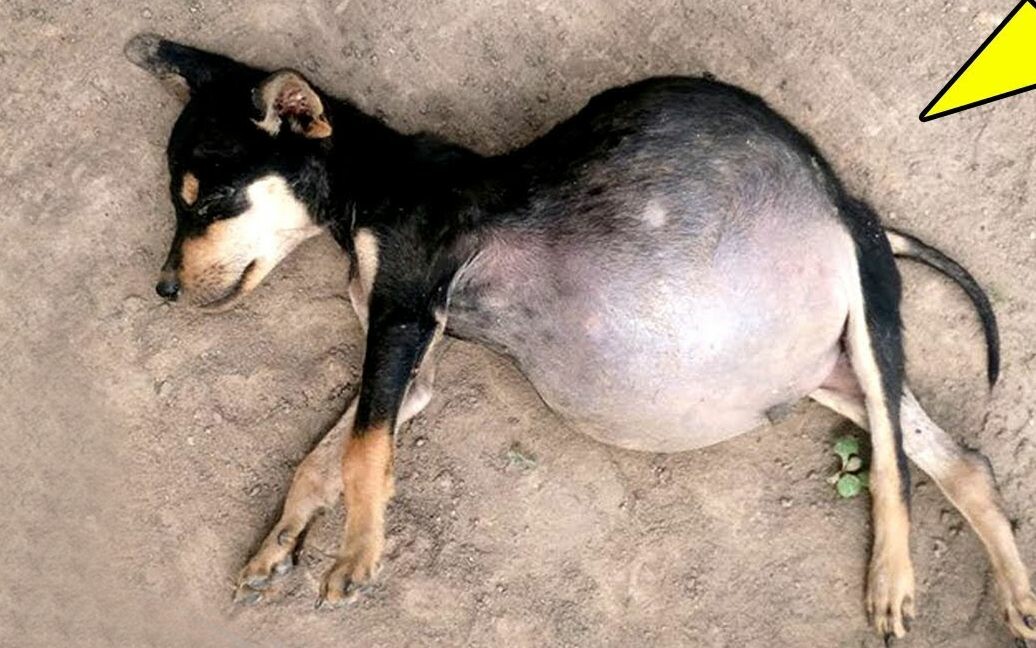
Affected dogs often exhibit decreased appetite, a disheveled coat, pale or cyanotic mucous membranes, a rapid but weak pulse, normal body temperature, and peripheral edema.
The most striking finding is a symmetrical distension of the lower abdomen with a prominent umbilicus and a sunken flank region. The abdominal contour shifts with changes in posture. On palpation, the abdominal wall is flaccid overall but tense in the lower quadrants; a fluid wave may be transmitted from one side to the other. Auscultation during fluid percussion yields a characteristic “fluid splash” sound, and percussion reveals symmetrical dullness at a constant level on both sides.
Paracentesis yields a copious, clear yellow fluid with a specific gravity below 1.015 and a protein concentration typically around 1.2% (not exceeding 3.5%). Cytology shows numerous epithelial cells, erythrocytes, and leukocytes.
Diagnosis
A definitive diagnosis is based on inspection, palpation, percussion, and analysis of ascitic fluid (Rivalta’s test negative). Differential diagnoses include:
Peritonitis
Characterized by fever, marked systemic signs, abdominal wall tenderness, fluid with higher specific gravity, and a positive Rivalta’s test.
Uterine Hydrops
Distinguished by targeted paracentesis plus abdominal palpation and percussion.
Vesical Atony
Revealed by a non–position‑dependent fluctuant mass on palpation that produces dullness on percussion.
Treatment
Management includes treating the underlying cause and supportive nursing care.
Cardio‑diuretic Therapy
- Furosemide 1.5 g, digitalis glycosides 2 g, and water 100 ml, administered orally in 3–4 divided doses daily
- Potassium acetate 20 g, sodium bicarbonate 4 g, Gentian tincture (bitter tincture) 3 ml, one tablespoon orally three times daily
- Digitalis tincture 180 ml, potassium acetate 20 g, furosemide 4 g, one tablespoon orally three times daily
Laxative
Calomel 30–120 mg orally once, or neostigmine hydrochloride 10 mg by subcutaneous injection (contraindicated in cardiac or pulmonary disease).
Paracentesis and Fluid Drainage
Select the lowest point of the abdomen for puncture. Do not remove excessive fluid at once to avoid shock.
Original article by KPTer, if reproduced, please cite the source: https://www.kaipet.com/en/canine-ascites-symptoms-treatment-guide-diuretics-paracentesis-nursing-care
Comments(3)
This is a very helpful guide! What would you say are the absolute earliest signs owners should look for?
@CriticX:Thank you for your kind words! According to the guide, owners should look for early signs like decreased appetite and a disheveled coat. The most prominent indicator, however, is often the symmetrical distension of the lower abdomen.