

Canine parvovirus disease (CPV) is an acute, highly contagious canine illness characterized clinically by acute hemorrhagic enteritis and myocarditis.
Epidemiology
CPV is highly transmissible by direct contact. Dogs of all ages may be infected, but puppies from post‑weaning up to 90 days of age are most susceptible and often exhibit more severe disease. Some of these puppies develop myocarditis and may die suddenly. Clinical observations indicate that purebred and imported dogs have higher incidence rates than native dogs. CPV occurs year‑round but peaks in the cold months of winter and spring. Feces from infected dogs contain the highest viral load and serve as the primary source of infection.
Clinical Signs
CPV manifests in two main forms: enteritis‑type and myocarditis‑type.
Enteritis‑Type
The incubation period is 7–14 days. Initial signs include fever (> 40 °C), depression, anorexia, and vomiting.
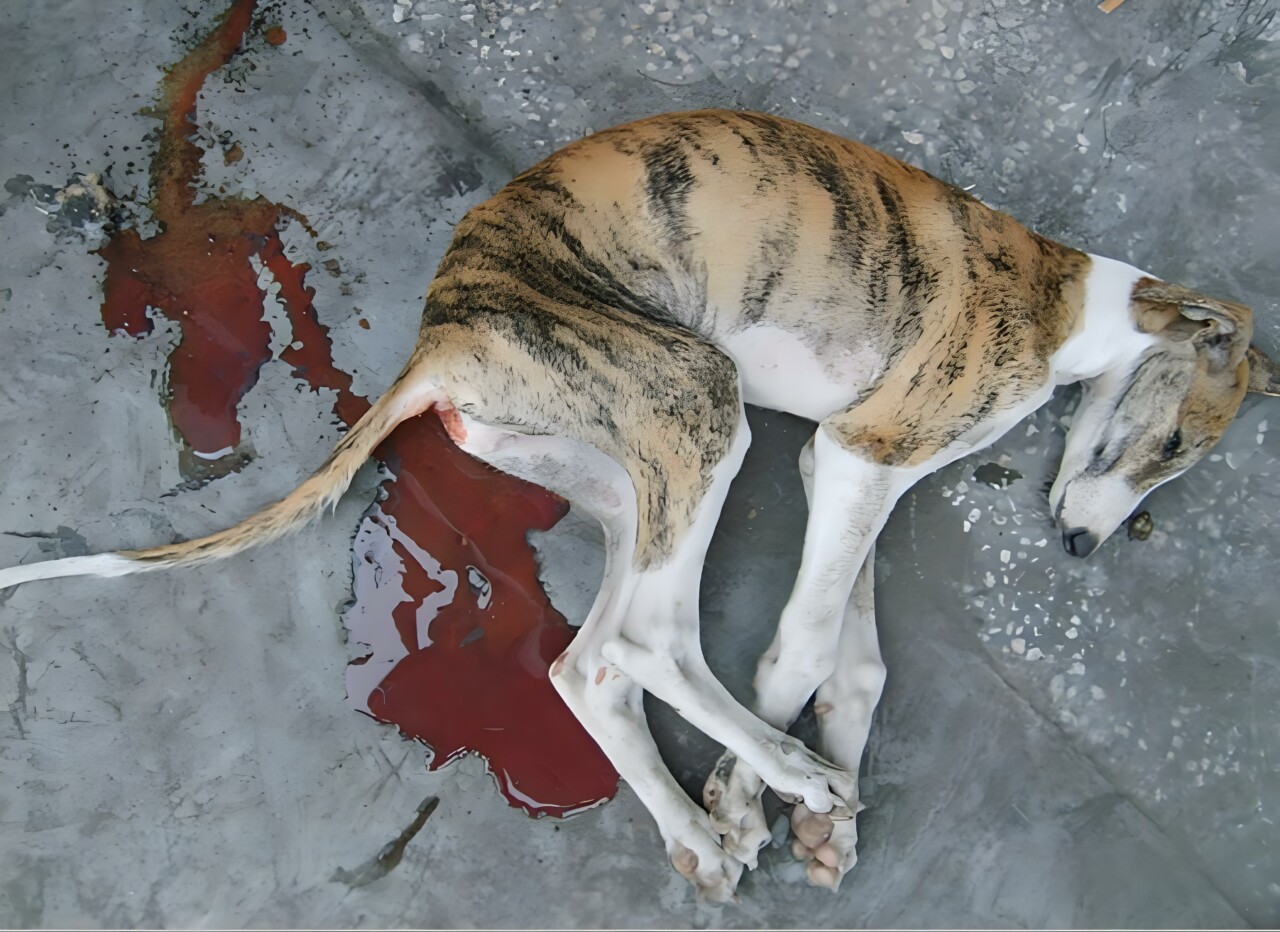
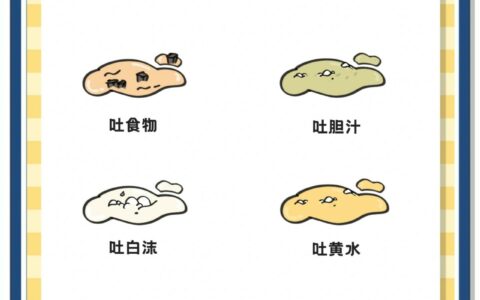
- Vomitus: Initially contains ingested food, then becomes mucus‑like, yellow‑green, or blood‑tinged.
- Diarrhea: Begins one day post‑onset; stools progress from loose to coffee‑brown or “ketchup‑like” bloody stools, with increased frequency, tenesmus, and a distinct foul odor.
- Dehydration: Develops within hours, evidenced by sunken eyes, dry nose leather, decreased skin turgor, and marked weight loss.
- Complications: Severe cases may progress to shock, coma, and death due to endotoxemia and disseminated intravascular coagulation.
- Hematologic changes: Leukopenia may reduce white cell counts from approximately 12,000 cells/mm³ to below 4,000 cells/mm³.
Myocarditis‑Type
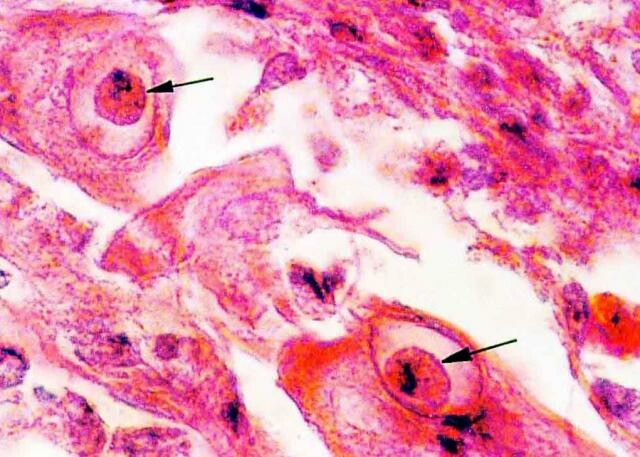
Primarily affects puppies around 40 days old, often without obvious prodromal signs.
Some puppies experience sudden dyspnea and heart failure, leading to rapid death; others may die following mild diarrhea.
Prevention and Control
Isolation and Disinfection
- Immediate isolation of affected dogs to prevent contact with healthy animals and caretakers.
- Repeatedly disinfect kennels and premises using 2 % sodium hydroxide or 10–20 % bleaching powder.
Treatment
- Early administration of canine parvovirus hyperimmune serum yields favorable clinical outcomes.
- Supportive care includes:
- Fluid therapy: Isotonic glucose‑electrolyte solution with 5 % sodium bicarbonate IV, adjusted based on dehydration severity.
- Antimicrobial and anti‑inflammatory therapy: Gentamicin (10,000 U/kg) + Dexamethasone (0.5 mg/kg) IM; or Kanamycin (50,000 U/kg) + Dexamethasone IM.
- Hemostasis: Vitamin K1 (1 mg/kg) + K3 (0.4 mg/kg) IM.
- Antiemetic: Metoclopramide 2 mg/kg IM.
Vaccination
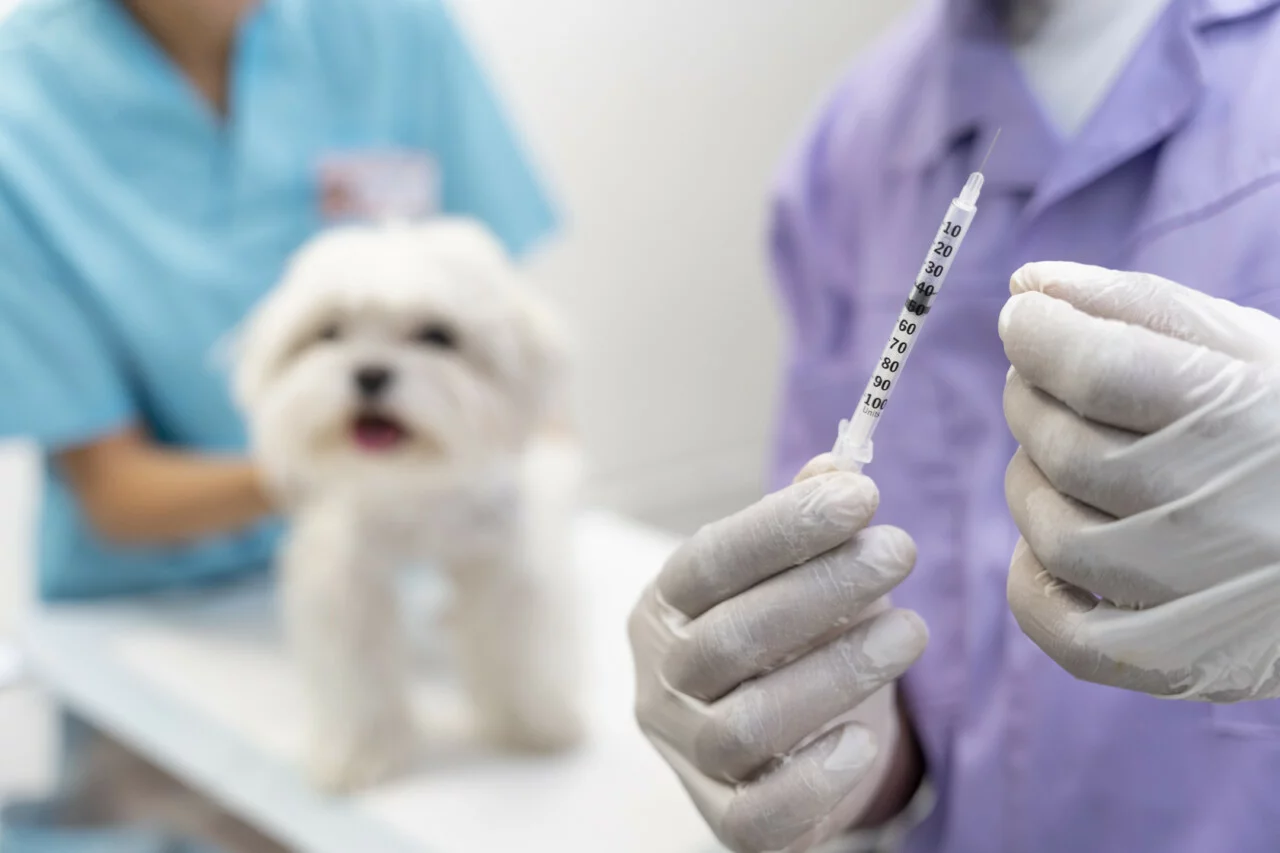
Vaccination protocol aligns with that for canine distemper virus:
- Primary immunization: 6–8 weeks of age.
- Boosters: Every 3–4 weeks for a total of 2–3 doses.
- Annual booster for adult dogs.
These measures aim for early case detection, strict isolation and disinfection, standardized treatment, and scientific immunization to reduce CPV morbidity and mortality.
Original article by KPTer, if reproduced, please cite the source: https://www.kaipet.com/en/canine-parvovirus-disease-acute-hemorrhagic-enteritis-myocarditis

Comments(2)
Very helpful! What are the earliest CPV signs a new puppy owner might easily miss but truly shouldn’t?
@CriticX:Thank you for your kind words, CriticX! Early signs like slight fever, lethargy, reduced appetite, or mild vomiting/diarrhea can often be subtle. It’s crucial to observe any changes in a puppy’s usual behavior or energy levels, especially if they are unvaccinated or young. Prompt veterinary consultation is always recommended.