Feline Atopic Skin Syndrome, or FASS, refers to a cat’s skin reacting to environmental allergens (not fleas or food). It was previously known as “miliary dermatitis not caused by fleas or food in cats”. The first onset usually occurs at a young age, with more than half of the cats developing symptoms before they are three years old.
Is My Cat FASS? What Are the Symptoms of FASS?
Allergic skin diseases in humans and dogs often have certain predilection sites and variations in symptoms, but the appearance and location of FASS skin lesions are very unpredictable, just like in cats. There is currently no direct diagnostic method; it can only be diagnosed through “consistent clinical symptoms” and “exclusion of other similar diseases”!
Most cats with FASS will exhibit one or more skin symptoms:
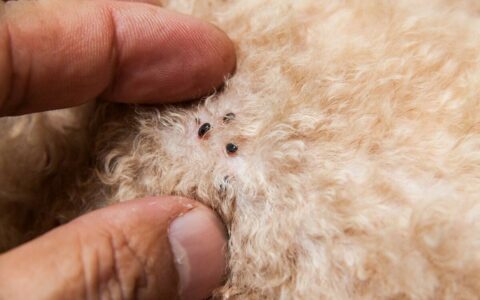
- Miliary Dermatitis (MD): Many small bumps appear on the body, which are usually very itchy.
- Self-inflicted Alopecia/Hypotrichosis (SIAH): This is the most common symptom of FASS. Hair loss caused by repeated grooming and hair pulling due to itching. Some cats will hide to groom and may not be noticed. Although anxiety can also lead to excessive grooming, it is much less likely than itching, so excessive grooming should not be directly considered as anxiety.
- Head and Neck Pruritus (HNP): Severe itching on the head, face, and neck, which may scratch the eyes and must wear an Elizabethan collar to prevent injury.
- Eosinophilic Granuloma Complex (EGC), which is divided into three symptom presentations:
- Indolent Ulcer: Mainly affects the upper lip and is located at the junction of the mucous membrane and the skin.
- Eosinophilic Granuloma: The lesion may appear in different places, including the back of the thigh, behind the knee, and in the mouth. It may be linear hyperplasia, ulcers, or nodular lesions.
- Eosinophilic Plaque: Most commonly appears as bumps and ulcers on the lower abdomen and inner thighs, and may also appear elsewhere. It is usually very itchy and prone to wound infection due to self-harm.


Although anxiety can also lead to excessive grooming, it is much less likely than itching, so excessive grooming should not be directly considered as anxiety.
Before Diagnosing FASS, Have You Done These Things?
Exclude Food Allergy
FASS and food allergies have many similarities in the clinic, so a strict food exclusion test must be carried out before diagnosing FASS. It is recommended to use a new protein diet or hydrolyzed protein for at least eight weeks of testing.
Exclude External Parasites
- Flea Allergy
- Symptoms are similar to FASS, and although it is not easy to diagnose directly, since current flea control drugs are very effective, if the symptoms disappear after 9-12 weeks of strict flea control, it can be diagnosed as flea allergy.
- When flea control is needed, use flea control drugs that are effective against multiple life stages of fleas, or kill quickly enough so that fleas do not have time to lay eggs. It may also be helpful to de-flea other animals living in the same environment and use a vacuum cleaner to clean up flea eggs and larvae in the environment.
- Other skin parasites: such as follicular mites, ear mites, scabies mites, and Demodex mites, can all cause itching and skin inflammation, need to be excluded through a series of skin examinations, or try direct treatment.
Control Infections
In allergic cats, Staphylococcus and yeast infections are very common, and the symptoms usually include rashes, pustules, and seborrhea. Because cats infected with these bacteria have symptoms very similar to FASS, it is very important to exclude these infections to understand the severity of the allergic disease.
It is recommended to first use local or systemic antimicrobial agents for treatment before starting to deal with allergic skin problems to assess the true severity of FASS. In addition, assessing the skin’s infection status can also help better control FASS and make anti-inflammatory anti-itch drugs work best.
My Cat Seems to Really Have FASS, What Should I Do?
If your cat is diagnosed with FASS, you need to work with a veterinarian to take medication to control symptoms and prevent excessive self-harm. Then you can try an allergen test to find out the possible allergens and assess whether desensitization treatment can be carried out later. However, it is important to note that allergen testing is only recommended after other differential diagnoses have been ruled out in the clinic and FASS has been diagnosed, and it is not used as a diagnostic purpose, but to help understand which allergens cause FASS and to assist in selecting antigens for desensitization treatment.
Allergen testing is not for diagnostic purposes, but to help understand which allergens cause FASS and to assist in selecting antigens for desensitization treatment.
It must be emphasized that there is currently very little research on cat allergies, and many practices and knowledge are inferred from dog and human literature. More research is needed in the future to unravel the diverse clinical manifestations of cat allergies in order to design the most suitable treatment plan.
Reference:(2021) Clinical signs and diagnosis of feline atopic syndrome: detailed guidelines for a correct diagnosis, Vet Dermatol
Original article by KPTer, if reproduced, please cite the source: https://www.kaipet.com/en/feline-atopic-skin-syndrome-complete-guide-symptoms-diagnosis-treatment