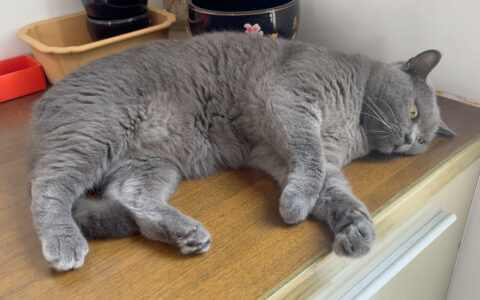
Today, I would like to share with everyone Herpesvirus, also commonly known as Feline herpesvirus. I will introduce its clinical symptoms, treatment plans, and how to effectively prevent it, providing the most comprehensive popular science information.
Early Symptoms of Herpesvirus
The cat may have tearing from one or both eyes, sneezing, and nasal discharge. The secretions around the eyes may be yellow-brown or yellow-green. In the early stage, the cat will not have a fever, and its spirit and appetite will not be greatly affected.
Treatment Plan for Herpesvirus
For early symptoms, the cat can be given Famciclovir, which can effectively inhibit the growth of the herpesvirus in cats. If sneezing is present, Pfizer Chocolate Paste can be used in combination for anti-inflammatory and antibacterial effects, and to enhance the cat’s immunity. For ocular symptoms, Brolene eye drops can be used, and it can also be applied to the eyes and nose simultaneously, with 5 – 8 times a day being optimal.
If the complications of the cat develop to the middle or late stage, the aforementioned oral medications will no longer be able to effectively cure the cat. At this point, injections must be used. Antiviral injections and anti-inflammatory injections can be used, even for pregnant cats.
How to Prevent Herpesvirus?
I have summarized the following five points:
- Cats must be vaccinated at the appropriate age.
- Keep the home well-ventilated and disinfect regularly.
- The cat’s diet should be balanced, rich, and diverse, which can better enhance the cat’s immunity.
- In households with multiple cats, if symptoms are detected, isolation should be carried out promptly.
- Cats that often fall ill can take some corresponding supplements.
In conclusion, as I always say, prevention is always more important than remedial actions after the fact.
Original article by KPTer, if reproduced, please cite the source: https://www.kaipet.com/en/symptoms-feline-viral-rhinotracheitis-learn-treat-prevent