

Canine dermatological conditions have a high incidence rate, accounting for approximately 10–20% of clinical cases (in our hospital, about 40–50%). The etiologies are diverse, symptoms complex, and the disease course often protracted, making diagnosis and treatment challenging. Below is a concise overview of the most frequently encountered conditions.
External Parasitic Infestation: Fleas, Lice, Ticks
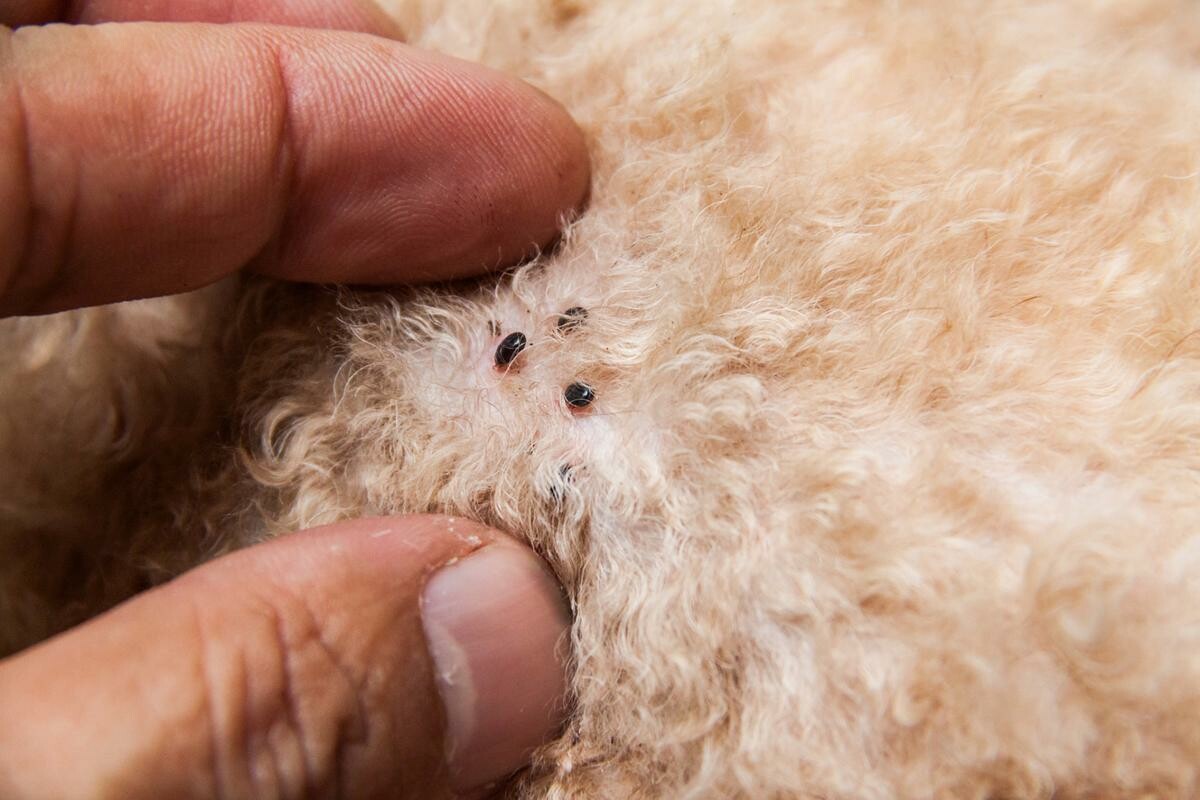
These three ectoparasites commonly infest the canine integument, biting the skin and consuming blood, which leads to intense pruritus, a rough coat, and—in severe cases—generalized alopecia and anemia. Their mouthparts, saliva, and feces can also trigger allergic dermatitis.
Diagnosis relies primarily on finding live parasites on the skin, flea dirt or louse eggs at the hair roots, and acute-onset scratching, biting, or vocalization by the animal.
Treatment includes topical insecticidal solutions, oral flea-control agents, and subcutaneous injections of ivermectin, alongside anti‑allergic and anti‑inflammatory therapy. Common medications include Merial’s “Frontline” spot‑on drops, Novartis’s “Capstar” oral tablets, as well as reliable insecticidal collars and medicated shampoos. Maintain environmental hygiene with regular disinfection and vacuuming of cracks and corners to remove eggs.
Mite Infestation: Demodex and Sarcoptes
Two primary mites affect dogs: Demodex and Sarcoptes.
Demodectic mange initially presents with follicular erythema, pustules, and alopecia around the eyes, jaws, and lips. These lesions are initially non‑pruritic but may spread to the neck, limbs, ventrum, and inner thighs, causing erythema, hair loss, seborrhea, scaling, papules, intense pruritus, skin thickening, and hyperpigmentation.
Sarcoptic mange is characterized by severe pruritus, alopecia, skin thickening, and hyperpigmentation.
Diagnosis is confirmed by microscopic examination of skin scrapings revealing mites or larvae. Note that Demodex may be present in small numbers on healthy skin; clinical signs must corroborate infestation. Dogs with severe generalized demodicosis often have a genetic susceptibility and should not be bred.
Treatment consists of subcutaneous ivermectin injections (except in Collies, due to toxicity risk), systemic anti‑inflammatory agents, and topical miticidal shampoos. Short‑haired breeds such as Shar Peis, Dachshunds, and Pugs are particularly predisposed.
Canine Dermatophytosis (“Ringworm”)
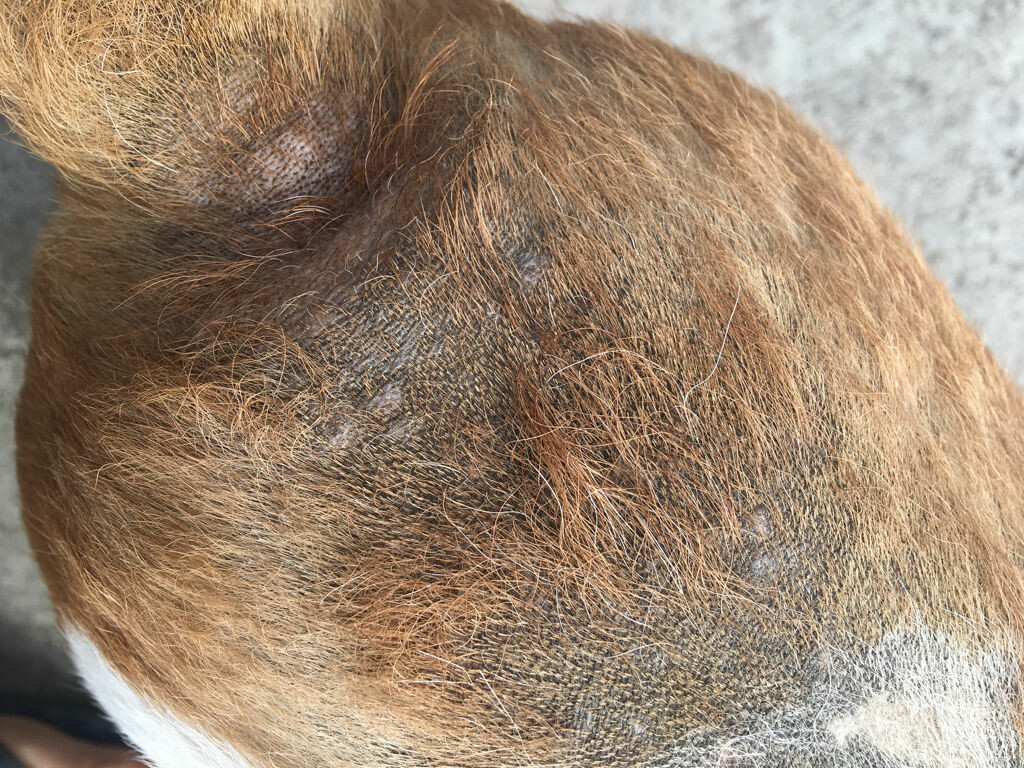
Also known as “ringworm,” this is the most common fungal skin disease in dogs, caused predominantly by Microsporum and Trichophyton species. It is a zoonosis, transmitted by contact; puppies, geriatric, debilitated, and immunocompromised animals are especially susceptible.
The hallmark lesion is circular alopecic, scaly patches; however, non‑alopecic plaques with papules, pustules, or erythematous nodules may occur. These varied presentations often mimic other dermatoses.
Diagnosis is made by microscopic identification of fungal spores, Wood’s lamp examination, or fungal culture.
Treatment includes topical antifungals—such as clotrimazole, ketoconazole, and miconazole—and systemic therapy with oral miconazole tablets or Novartis’s “Dermavet” tablets, plus antifungal/anti‑inflammatory bath solutions or traditional herbal soaks.

Fungal Therapy Precautions:
- Prevent spread to other animals and humans.
- Continue treatment 1–2 weeks after clinical resolution to avoid relapse.
- Disinfect the environment: clean equipment and kennels with 0.5% lime sulphur or 0.5% chlorhexidine solution; metal cages may be flame‑sterilized.
Canine Pyoderma (Bacterial Skin Infection)
Most cases are caused by Staphylococcus intermedius.
Clinically, one sees impetiginous lesions, pustules, folliculitis, fissures, and dry crusting.
Diagnosis is established by skin smears, bacterial culture, and antibiotic sensitivity testing.
Treatment is guided by sensitivity results and includes topical antibiotics—erythromycin, metronidazole, gentamicin solution, or mupirocin ointment—and systemic antibiotics (lincomycin, enrofloxacin, cephalosporins) or oral amoxicillin–clavulanate.
German Shepherds, Dalmatians, Shar Peis, Great Danes, and Dachshunds show higher susceptibility.

Allergic Dermatitis
Divided into acute and chronic forms.
Acute reactions often follow ingestion or injection of drugs or allergenic proteins, presenting with facial and limb swelling, generalized papules, pruritus, and in severe cases, respiratory distress or anaphylactic shock.
Chronic reactions manifest as papules, vesicles, pruritus, alopecia, sometimes accompanied by chronic otitis (erythema and exudate), vomiting, or diarrhea.
Common triggers:
- External parasites (fleas, lice, ticks)
- Mites
- Contact allergens (dust, pollen, plants, synthetic fabrics, even shampoos)
- Food allergens
Management focuses on allergen avoidance, parasite control, and antihistamines or corticosteroids (e.g., appropriate doses of dexamethasone, prednisone, chlorpheniramine). Hypoallergenic diets such as Hill’s Prescription Diet d/d are recommended.
Endocrine Disorders
Hyperestrogenism
Seen in pregnant bitches peri‑partum and dogs with ovarian cysts, presenting as symmetrical flank alopecia, possibly with papules, pruritus, and hyperpigmentation.
Peri‑partum alopecia typically resolves spontaneously; ovarian cysts warrant ovariohysterectomy.
Hyperadrenocorticism (Cushing’s Syndrome)
Caused by adrenal tumors or prolonged high‑dose corticosteroid injections.
Clinical signs: symmetrical alopecia, pot‑bellied appearance, polyuria/polydipsia, follicular pigmentation, skin folding, comedones, and calcinosis cutis.
Diagnosis: plasma cortisol measurement with stimulation/suppression tests.
Treatment: medical therapy or surgical excision of adrenal tumors.
Hypothyroidism
Common in German Shepherds, Irish Setters, Boxers, and Afghan Hounds, typically at 4–10 years old.
Signs include lethargy, weight gain, dry coat, alopecia, seborrhea, hyperpigmentation, and skin thickening (notably peri‑ocular, cervical, and dorsal regions).
Diagnosis: serum T4 assay.
Treatment: thyroxine replacement therapy.
Nutritional Deficiencies
Deficits in protein, minerals, vitamins, or trace elements lead to increased scaling, pruritus, and alopecia, especially in dogs on monotonous or inadequate diets.
Management: switch to a balanced commercial diet, supplement with nutritional pastes, coat‑enhancing oils, “Pami‑Bao” paste, and, if needed, zinc supplementation.
Other External Factors
Improper bathing frequency or use of inappropriate shampoos can aggravate skin conditions. Bathing every 5–7 days in summer and 7–10 days in winter with a dog‑specific shampoo—preferably imported or from a reputable manufacturer—is advisable.
Unrecognized skin trauma (e.g., pricks, burns, contact with irritants) should prompt prompt veterinary evaluation.
In summary, a thorough history, meticulous examination—including microscopic evaluation—and cautious interpretation are essential for accurate diagnosis of canine skin diseases. For confirmed dermatophytosis, strict biosecurity and environmental disinfection are critical to prevent transmission.
Original article by KPTer, if reproduced, please cite the source: https://www.kaipet.com/en/analysis-common-canine-dermatological-conditions-allergies-endocrine-disorders-nutritional-deficiencies






Comments(2)
感谢分享!螨虫感染那部分,想问下除了Shar Peis,还有哪些犬种需要特别注意?
@CriticX:您好!感谢您的提问。关于螨虫感染,除了沙皮犬,腊肠犬和巴哥犬等短毛犬也比较容易感染。此外,免疫力低下的犬种也需要特别关注。建议定期进行皮肤检查,注意清洁卫生,以预防螨虫感染。