

Under normal circumstances, hamsters are weaned from birth to three weeks, enter the growth period at about one and a half months old, and reach puberty between two to four months of age. Female hamsters typically become capable of reproduction at around two months old and can breed throughout the year. They can mate every five to six days, with a gestation period of about sixteen to twenty days. Additionally, female hamsters have the ability to store sperm, which may result in consecutive litters. Generally, each litter can produce four to ten pups, though it may vary more or less, making hamsters highly reproductive.
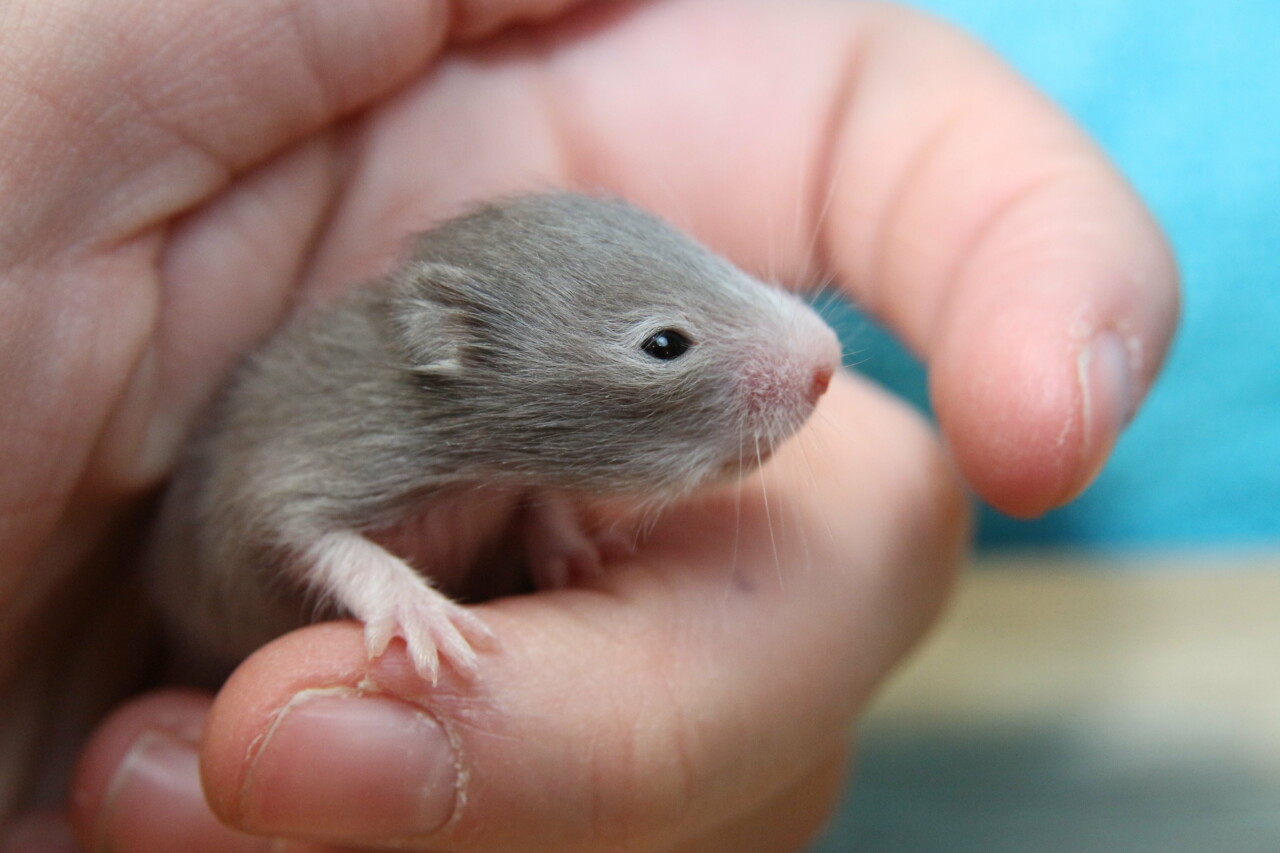
Note: Do not allow hamsters to breed continuously just because they are highly reproductive. Breeding can affect their lifespan, and since hamsters are solitary animals, they must be housed one per cage. Be responsible for all new lives, ensure you have cages prepared, or find suitable people to take them in before considering breeding hamsters.
The Best Age for Hamster Breeding
- Puberty: Hamsters have the ability to reproduce during puberty, but their physical functions are not yet fully developed.
- Optimal Breeding Age: The optimal breeding age for hamsters is between five and ten months.
- Age Not Suitable for Breeding: If a hamster is over one year old, it has entered the middle to old age stage, and it is not advisable to allow it to breed at this time.
Tip: If kept as pets, it is recommended to minimize the number of breedings. If you wish to preserve good genes, consider allowing them to have one to two litters, as excessive breeding can severely affect the hamster’s lifespan.
Original article by KPTer, if reproduced, please cite the source: https://www.kaipet.com/en/offspring-hamster-year-key-factors-affecting-hamster-reproductive-capacity







Comments(2)
This is such important info on responsible breeding! I wonder, beyond lifespan, what other health impacts excessive breeding has on female hamsters?
@CriticX:Thank you for your valuable feedback and thoughtful question, CriticX! Beyond lifespan, excessive breeding can significantly impact a female hamster’s health, leading to exhaustion, nutritional deficiencies, and increased risks during pregnancy and birth. Responsible breeding is indeed crucial.