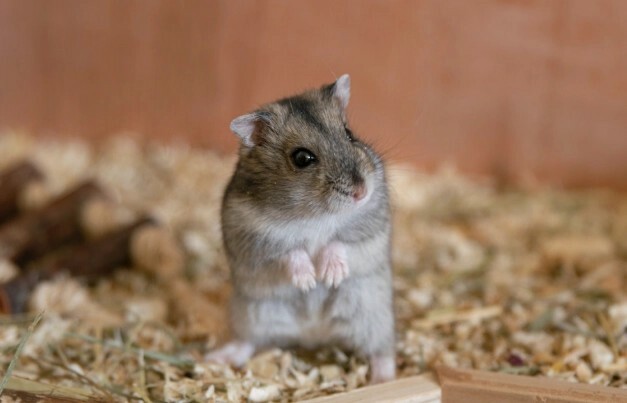
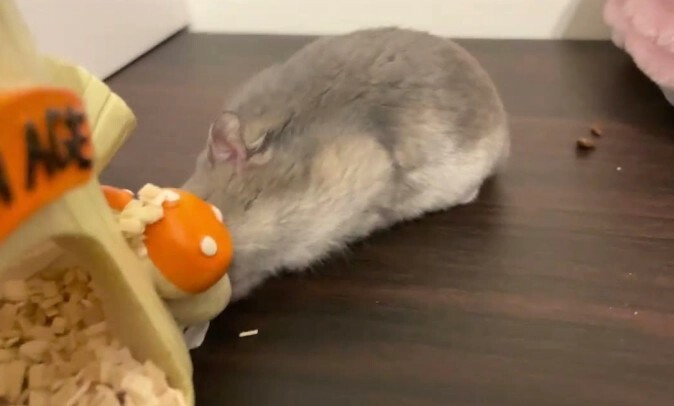
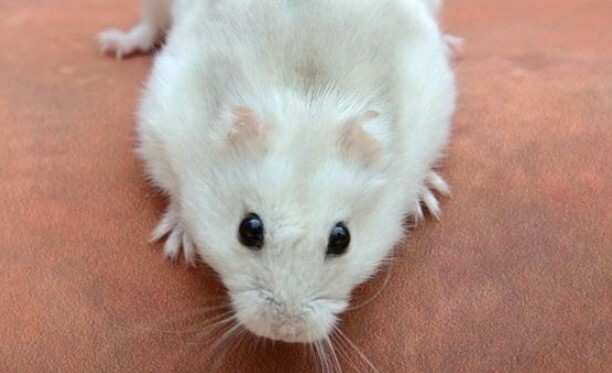
I will always remember the week something happened to my first Syrian hamster, “Ah Fei.” His originally round body felt strangely bony to the touch, with his spine actually protruding, and the bedding in his cage was scattered with several times more hair than usual. At the time, I naively thought it was just the hot weather and that the hamster was molting. It wasn’t until Ah Fei showed a lack of interest even in his favorite mealworms that I realized something was wrong, but by then, it was too late. This incident taught me a painful lesson: It is almost never a normal phenomenon for a hamster to experience hair loss and weight loss simultaneously. This is a clear “Red Alert,”warning you that your hamster’s body is fighting against certain issues.
Over the past 10 years, I have encountered countless cases from fellow hamster owners and consulted with professional exotic pet veterinarians. I discovered that many beginners (and even some experienced owners) tend to focus solely on the “hair loss,” desperately supplementing with nutritional products, while ignoring “weight loss,” which is the more critical indicator. In this article, I want to use the most accessible language to break down the 6 major underlying causes and provide you with a checklist for inspection and action that you can execute immediately. We won’t talk about empty theories, only specific actions.

6 Major Causes of Hamster Hair and Weight Loss: From Most Common to Most Deadly
Hair loss and emaciation are “results”; we must find the “cause.” In the table below, I have sorted them according to probability and urgency. You can cross-reference to see which one your hamster might fit into.
| Possible Cause | Core Characteristics | Hair Loss Pattern | Urgency Level |
|---|---|---|---|
| 1. Ectoparasite Infection (Mites, Lice) | Skin has dander, rashes, or scabs; hamster scratches frequently, sometimes to the point of bleeding. Spirit may remain okay, but weight continues to drop. | Patchy or generalized irregular hair loss, common on the back and rump. | High (Requires medication) |
| 2. Severe Malnutrition | Long-term consumption of a single type of feed (e.g., only sunflower seeds), lack of protein and vitamins. Coat is dry and dull. | Generalized thinning of hair, rough texture, not patchy baldness. | Medium-High (Requires diet adjustment) |
| 3. Excessive Stress | Noisy environment, cage too small, frightened by cats/dogs, bullying by cage mates. May be accompanied by stereotypic behavior (e.g., constant cage biting). | “Over-grooming alopecia,” caused by the hamster grooming itself excessively, common on the abdomen and inside of front legs. | Medium (Requires environment improvement) |
| 4. Endocrine Imbalance (e.g., Adrenal or Thyroid issues) | Polydipsia (excessive drinking) and polyuria (excessive urination), decreased activity. More common in older hamsters; requires a vet exam to diagnose. | Usually bilateral symmetrical hair loss. | High (Requires veterinary diagnosis) |
| 5. Bacterial or Fungal Skin Disease | Skin has circular bald patches; edges may be red, swollen, or scaly. Fungal infection (“Ringworm”) can be transmitted to humans. | Patchy, circular hair loss with clear boundaries. | High (Requires veterinary diagnosis and medication) |
| 6. Internal Organ Disease (Liver, Kidney, Tumors) | Weight loss is very rapid, appetite is extremely poor, spirit is lethargic; may be accompanied by bloating or abnormal posture. This is a late-stage sign. | Coat condition deteriorates and sheds due to physical weakness. | Extremely High (Seek medical attention immediately) |
Looking at the table, you might be a bit nervous. Don’t panic; in most cases, as long as intervention is early, there is a chance to turn things around. Next, let’s not move the hamster yet and proceed with static observation.
An important non-consensus view: Many owners see hair loss and immediately load up on “nutritional gel” or “coat supplement powder.” But if the cause is parasites or fungus, you are essentially sending supplies to the enemy, which will worsen the situation. Supplements are only auxiliary; diagnosis always takes precedence over supplementation.
3-Step Immediate Self-Check for Owners: Using Your Eyes and Hands as First-Line Tools
Before going to the vet, you can do these things. This information can help the veterinarian make a judgment faster.
Static Environment Check
Don’t grab the hamster yet. Observe inside the cage: Is the water bottle dispensing water normally? Is the food left in the bowl only the parts the hamster is picky about (e.g., only grains left, all protein pellets gone)? Is the bedding clean? Is the ambient temperature too high (over 28°C) or directly facing an air conditioner vent? Are there any continuous noise sources nearby?
I encountered a case where the cause of hair loss and weight loss was the ball bearing in the water bottle getting stuck, leaving the hamster in a state of chronic dehydration. Who would have thought?
Gentle Physical Examination
Use food to lure the hamster onto your hand. While the hamster is eating, gently part the fur to check the skin. Focus on:
- Are there any dander, small black dots (possibly lice feces), redness, swelling, or scabs?
- Is the hair loss area a regular circle, or is it an irregular mottled shape?
- Gently touch the spine and pelvis; do they protrude very obviously? A healthy hamster should feel like it is covered by a thin layer of fat.
Be quick and gentle during the check to avoid causing extra stress.
Behavior and Waste Observation
Over the next 24 hours, secretly observe the hamster:
- Is it constantly scratching specific areas?
- Compared to the past, by what percentage has appetite and water intake decreased? (Try to quantify)
- Are the quantity and shape of droppings normal? Is there diarrhea or abnormal urine color?
Simply record these observations, noting the time and the phenomenon.
Warning: If you see extremely small bugs moving on the skin, or if the hamster is already in very poor spirits and limp, please skip all self-check steps and prepare to go to the vet immediately. Isolate the hamster cage from other pets before seeking medical attention, and be sure to wash your hands after handling the hamster.
Action Guide: Specific Steps for Different Causes
Based on your suspicions, you can take different actions. Again, when you are unsure or the situation is serious, seeking help from a professional exotic pet veterinarian is always the best choice. There are more exotic pet clinics now than before; you can search for “exotic pet doctor” or consult relevant pet medical institutions.
If You Suspect Parasites or Skin Disease
This is a situation that absolutely requires veterinary prescription medication. Do not use flea medicine or ointments intended for humans; incorrect dosages can be fatal. The vet may prescribe topical drops or oral medication. While seeking medical treatment, you must execute a “Grand Environmental Cleanup”:
- Move the hamster to a clean, temporary transport cage.
- Scald the old cage, all toys, food bowls, and water bottles with hot water (above 60°C), or use an environment disinfectant recommended by the vet, and dry them thoroughly in the sun.
- Discard all old bedding.
- This process may need to be repeated multiple times during treatment.
If You Suspect Malnutrition
Immediately review the feed list. Hamsters need a diversified diet: mainly high-quality commercial feed (a mix of various grains, seeds, dried vegetables, and protein sources). Ensure sufficient protein sources, such as fish meal or legumes in the feed, or provide boiled chicken breast (unseasoned), mealworms, or boiled egg whites 1 to 2 times a week.
Stop the unlimited supply of single high-fat seeds (like sunflower seeds or peanuts), as that will make the hamster picky and lead to nutritional imbalance. You can refer to recommendations from professional organizations regarding nutrition for small rodents, emphasizing food diversity and balance.
Gaining weight takes time; please be patient in providing a balanced diet, and consider supplementing with pet-specific vitamin drops (added to water), but be sure to use them according to the dosage on the instruction manual.
If You Suspect It Is Caused by Stress
Review and improve the environment: Does the cage size meet the basic standard (Syrian hamsters need a base area of at least 100×50 cm)? Is there deep enough bedding for the hamster to dig, and enough hiding spots for the hamster to hide? Is the cage placed where people walk by frequently, next to a TV, or where cats and dogs can stare directly at it?
Give the hamster time to be alone and keep it quiet. You can try providing some new enrichment toys, such as cardboard mazes or foraging toys, to distract the hamster from over-grooming due to anxiety.
In my experience, after environmental improvements, hair loss caused by stress is usually the first thing to show improvement, but weight recovery requires adequate nutrition.
If You Suspect Internal Medicine Disease
There is not much to say about this situation; please seek medical attention immediately. The vet may need to perform fecal exams, palpation, or even X-rays to judge. The focus of care at this time is “supportive therapy”: maintain a warm and comfortable environment, provide the hamster’s favorite foods that are easy to eat (such as grinding feed into powder and mixing it into a paste), ensure sufficient water intake, and strictly administer medication according to the doctor’s orders.
Key Questions Owners Ask Most Often
Is it normal if the hamster is losing hair but has a good appetite?
This depends on two situations. If it is seasonal molting (spring and autumn), it is usually a uniform replacement of hair over the whole body, skin will not be exposed, weight remains stable, and appetite and spirit are both good; that is basically normal. But if it is localized patchy hair loss, even if the appetite is good, it is extremely likely to be the early stage of skin disease or parasites, because early infection does not necessarily affect appetite. You cannot judge solely by appetite; you must combine it with a skin check.
If an older hamster gradually becomes thin and loses hair, is it hopeless?
Absolutely not. Aging leads to slower metabolism and poorer absorption capabilities, but “rapid” emaciation and hair loss are still abnormal. This could be a sign of chronic kidney disease, dental problems (teeth too long preventing eating), or tumors. A vet can distinguish between simple aging or disease through examination and provide corresponding relief plans, such as adjusting to softer foods or giving pain relief or supportive medication, significantly improving the hamster’s quality of life in its later years. Giving up treatment is the worst strategy.
How should I monitor my hamster’s weight?
This is something all owners should do but often overlook. Prepare a digital kitchen scale precise to 1 gram. On a fixed day every week, at a fixed time (e.g., Saturday night before feeding), lure the hamster into a small container, place it on the scale to measure, and record it. If an adult hamster’s weight drops by more than 10% in a short period, that is a major warning sign. For Syrian hamsters, the weight trend over a month is more important than a single number.
What do I need to prepare before seeing the vet?
Prepare a transport cage that makes the hamster feel safe (lined with familiar bedding and a little food). Bring samples of the feed the hamster usually eats. Provide the weight changes you recorded, descriptions of abnormal behavior, and photos of droppings (if any). If possible, take clear photos of the hair loss area, because the hamster’s hair might stand up due to nervousness in the exam room, affecting the doctor’s judgment. Clearly tell the doctor the timeline of when symptoms started.
Writing this reminds me of “Ah Fei.” If I had understood this back then, perhaps Ah Fei could have stayed with me longer. Raising hamsters is like this; they cannot speak, and all their ailments are hidden in their tiny bodies, relying on us to interpret them carefully. Hair loss and becoming thin are the loudest distress signals they send out.
Do not wait and see anymore, and do not comfort yourself thinking it is molting. Go look at your hamster today, touch the hamster’s back, and weigh the hamster. Early detection and correct action make you its best doctor.
Original article by 搬运工, if reproduced, please cite the source: https://www.kaipet.com/en/hamster-losing-hair-weight-6-major-check-guide-explained