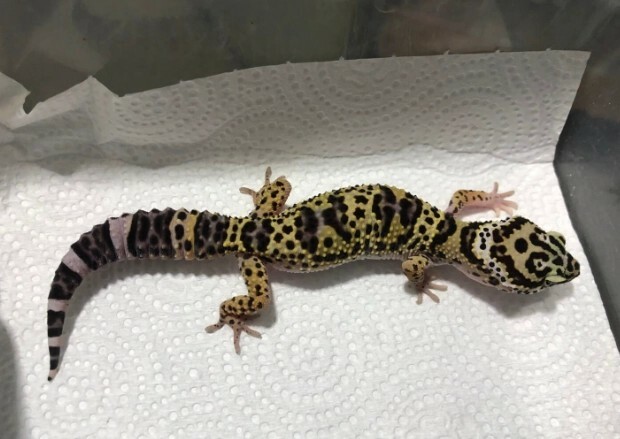
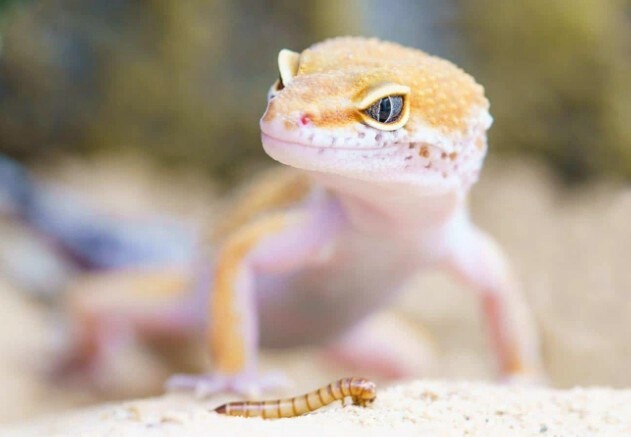
I have been raising geckos for over 8 years, and I made quite a few mistakes in the beginning. I remember one winter when I gave my gecko a soak; because I didn’t measure the water temperature properly, it ended up not eating or drinking for 2 whole days, which scared me into rushing it to the vet. The vet said it was because the water temperature was too low, causing the gecko’s metabolism to slow down. Since then, I have spent a lot of time researching gecko soaking temperatures and discovered that this is by no means a trivial matter, but a key factor directly affecting the pet’s health.
Why Is Temperature Control So Important When Soaking Geckos?
Geckos are ectotherms (cold-blooded animals), and their body temperature relies entirely on the environment for regulation. When soaking, the water temperature directly affects their physiological functions. If the temperature is incorrect, mild consequences include stress and refusal to eat, while severe cases can lead to digestive issues or skin infections. Many people think soaking is just for cleaning, but in reality, if the temperature is not controlled well, it can actually cause harm to the gecko.
I have seen some owners use room temperature water directly to soak their geckos, thinking “it’s probably fine.” However, room temperature water might be 30°C in summer but only 20°C in winter; geckos simply cannot withstand such temperature differences. Gecko skin is more sensitive than we imagine, and temperature fluctuations can destroy their natural oil layer, making them more susceptible to illness.
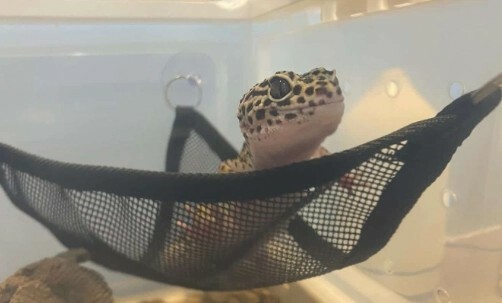
Key Point: The soaking temperature for geckos cannot be set arbitrarily; it must be precisely controlled according to the species and the environment. Ignoring this is tantamount to using your pet’s health as a wager.
What Is the Best Temperature Range for Gecko Soaks?
Generally speaking, the recommended soaking temperature for most geckos is between 28 and 32°C. However, this is just a basic range, and slight differences exist between different species.
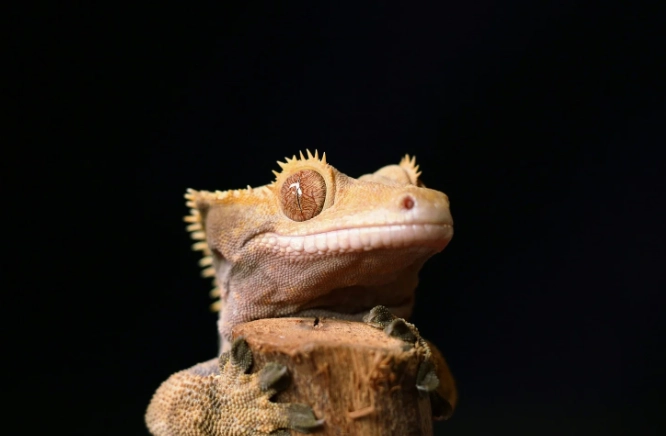
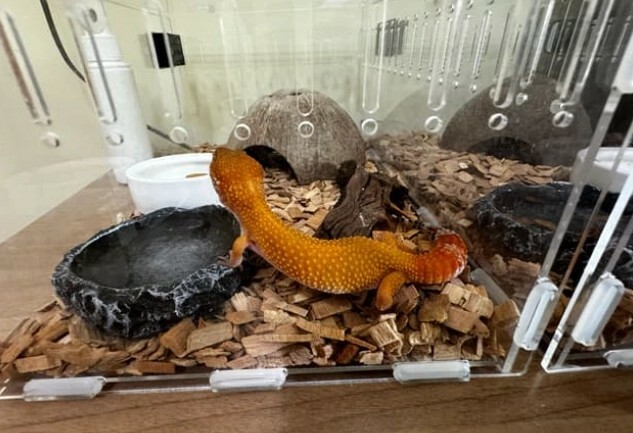
Leopard Geckos are relatively heat-tolerant and can be set between 30 and 32°C. Crested Geckos prefer it slightly cooler, with 28 to 30°C being safer. The metabolism of juvenile geckos is faster, so the temperature can be closer to the upper limit, but absolutely do not exceed 33°C.
The following table summarizes the soaking temperature recommendations for common gecko species:
| Gecko Species | Recommended Soaking Temp Range (°C) | Notes |
|---|---|---|
| Leopard Gecko | 30 – 32 | Higher tolerance, avoid below 28°C |
| Crested Gecko | 28 – 30 | Excessive heat easily causes stress |
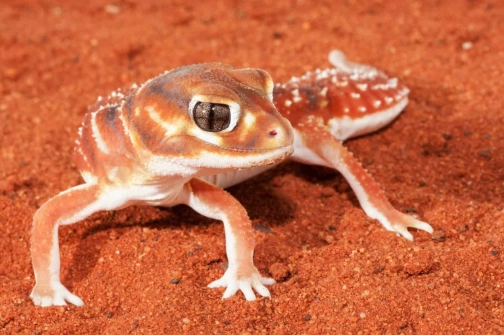
| Knob-tailed Gecko | 29 – 31 | More sensitive to temperature changes |
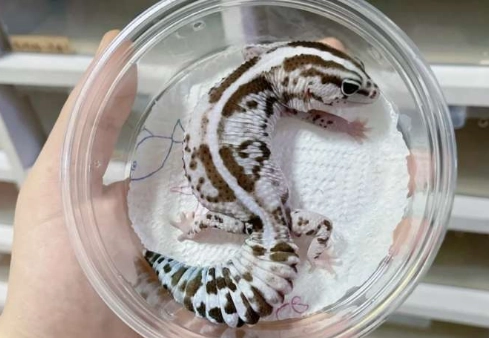
| African Fat-tailed Gecko | 30 – 32 | Similar to Leopard Geckos, but requires a more stable environment |
These data reference professional reptile care guides, but in practice, you still need to carefully observe your own gecko’s reaction. If it constantly tries to escape while soaking, it is very likely that the temperature is unsuitable.
How to Adjust Temperature According to the Environment?
In summer, room temperature is higher, and the water temperature might naturally meet the standard, but it still needs to be confirmed with a thermometer. In winter, heating is mandatory; it is recommended to use a heat mat or heat lamp for assistance. Never mix hot water directly with cold water, as that easily causes localized overheating.
A little tip: It is best for the water temperature to be 2 to 3°C higher than the ambient temperature so that the gecko won’t feel a shock when entering the water. But the temperature difference should not be too large, otherwise, it is easy to catch a cold.
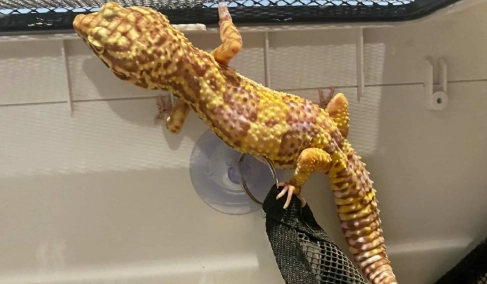
How to Correctly Measure and Control Soaking Water Temperature?
Measuring water temperature absolutely cannot rely on hand feel. Human skin’s perception of temperature is not accurate; what feels warm to you might already be a scald to a gecko. I made this mistake in the early days, testing the temperature by touch, and as a result, the gecko’s skin turned red after soaking.
You must prepare a digital thermometer, preferably a waterproof one, to place directly into the water for a reading. The thermometer’s probe should not touch the bottom of the container because the bottom is affected by heating equipment, so the reading might be inaccurate. It should be measured at the middle depth of the water.
The main methods for controlling temperature are as follows:
- Heat Mat: Placed under the water container, but remember to pad it with a towel for insulation to prevent localized overheating. Suitable for small volume soaks.
- Heat Lamp: Irradiates from above, which can evenly raise the water temperature, but pay attention to the distance to avoid rapid water evaporation.
- Aquarium Heater: This is the most stable choice, but ensure the wattage is suitable for your container size.
regarding operational steps: fill the water first, then use a thermometer to measure, and adjust the heating equipment until the temperature meets the standard. The gecko soaking time should not exceed 15 minutes; during the process, it is best to check the water temperature every few minutes to prevent it from dropping too fast.
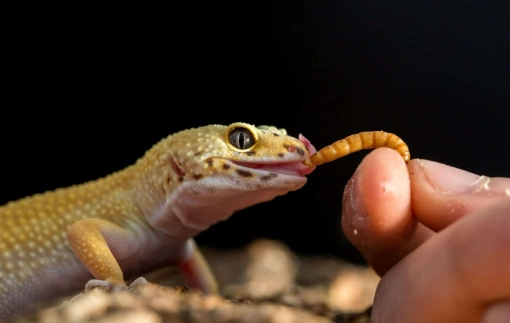
Warning: Absolutely do not use a microwave to heat the water; this creates hot spots that can scald the gecko. It is also not recommended to pour boiling water directly from a thermos, as the risk is too high.
Common Gecko Soaking Temperature Mistakes and How to Avoid Them?
I will list a few mistakes commonly made by beginners:
- Temperature Too High: Many people fear the gecko is cold and set the water temperature above 35°C. This is very dangerous and leads to heat exhaustion (heatstroke or high fever syndrome) in geckos; symptoms include open-mouth breathing and general weakness. I have seen some geckos soaking in hot water at pet expos clearly in a bad state; this rearing method carries huge hidden dangers.
- Large Temperature Fluctuations: The water temperature drops too fast during the soak, and the gecko gets chilled. The solution is to use an insulated container or slowly add warm water midway to maintain the temperature.
- Ignoring Water Quality: Even if the temperature is right, if the water quality is unclean, the gecko can still get infected. It is recommended to use filtered water or boiled water that has cooled down to avoid residual chlorine in tap water irritating the skin.
- Soaking Too Frequently: Geckos do not need to soak every day; generally, once a week is sufficient. Excessive soaking can actually dry out the skin and destroy its natural protective layer.
These mistakes seem minor, but cumulatively they have a significant impact. It is recommended to record the water temperature and the gecko’s reaction every time you soak it; over time, you will master the setting that suits it best.
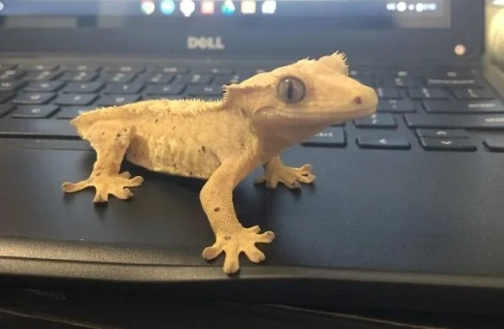
Recommended Practical Tools and Equipment
As the saying goes, “To do a good job, one must first have the right tools.” Here are some tools I have used and found to be good:
- Digital Thermometer: I recommend brands like Zoo Med or Hagen (Exo Terra); the price is around tens to 100 RMB, and they possess high accuracy and waterproofing.
- Heat Mat: Choose a model with adjustable temperature, and be sure to use it with a thermostat to prevent the temperature from spiraling out of control.
- Soaking Container: It is best to use a shallow basin with a depth not exceeding the gecko’s height so it can enter and exit easily. Choose ceramic or food-grade plastic for the material.
- Thermostat Controller: If your budget allows, investing in an automatic thermostat controller can regulate heating equipment more stably.
These devices can be bought at pet stores or mainstream e-commerce platforms. I personally prefer buying thermometers at physical stores where accuracy can be tested on the spot; for online shopping, read more reviews and avoid inferior products. Never buy a thermometer for just a few yuan to save money; drifting readings are extremely prone to causing errors.
Personal Experience Sharing
The first gecko I raised was named “Xiao Ban” (Little Spot), a Leopard Gecko. When I first started raising it, I listened to online claims and soaked it in room temperature water. As a result, “Xiao Ban” appeared listless every time after soaking, and its appetite also worsened. Later, upon the vet’s advice, I started measuring the water temperature only to discover that the winter water temperature was only 22°C, far below the ideal level.
When I adjusted the water temperature to 30°C, “Xiao Ban” clearly became more lively and even actively played in the water while soaking. This made me realize the nuances of temperature control.
Another experience regards heating equipment. I once used a heat lamp, but because I didn’t control the distance well, the water temperature instantly rose to 34°C, and “Xiao Ban”jumped out immediately. Since then, I switched to a “Heat Mat + Thermostat” combination, and the temperature became much more stable.
Over the years, I have found that the soaking temperature for geckos is not immutable and needs fine-tuning according to the season and its physical condition.
Frequently Asked Questions
Q: What specific health problems can excessively high soaking temperatures cause in geckos?
A: Temperatures that are too high easily trigger heat exhaustion, manifesting as rapid breathing and weakness; in severe cases, it can lead to dehydration or organ damage. Long-term high-temperature soaking destroys the skin’s protective layer, increasing the risk of bacterial infection, leading to scale rot or dermatitis.
Q: How to choose suitable heating equipment to control soaking water temperature?
A: Decide based on the container size. A heat mat is sufficient for small containers, but it must be paired with a thermostat. For large containers or during severe winter cold, using a constant temperature heater is recommended. Prioritize products with safety certification (such as the CE mark), and avoid unbranded inferior goods.
Q: What is the emergency procedure if the water temperature drops suddenly during soaking?
A: Do not panic. First, remove the gecko from the water and wrap it gently with a dry towel to keep it warm. Then quickly add warm water to the container, stir evenly, and verify the reading meets the standard before putting the gecko back in. Never pour boiling water directly into a container that has a gecko in it.
Q: Does the soaking temperature need to be adjusted for geckos of different ages?
A: Yes. Juvenile geckos have a fast metabolism, so the temperature can be set at 30-32°C, but the time should be shortened to 5-10 minutes. Adults can use the standard range. Geriatric geckos may prefer slightly lower temperatures (such as 29°C) due to decreased vitality; final determination should be made by observing their behavior.
Q: What details need attention when measuring water temperature?
A: Do not let the probe touch the container walls or bottom; keep measuring for at least 30 seconds to ensure a stable reading; calibrate the thermometer periodically (e.g., using the ice water mixture method). Furthermore, measure the temperature every 5 minutes during the soak, as small volumes of water lose heat very quickly.
Original article by 搬运工, if reproduced, please cite the source: https://www.kaipet.com/en/water-temperature-soaking-geckos-mastering-28-32c-core-settings-control-techniques