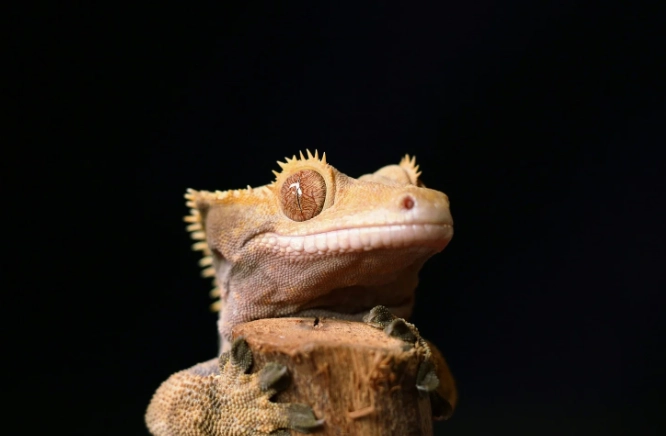
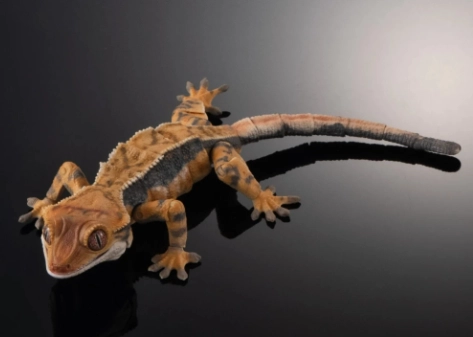
I have been keeping Crested Geckos (a type of gecko native to New Caledonia) for 10 years, and I’ve found that many owners are both excited and worried about egg-laying. They are excited to see new life, but worried that if they screw it up, even the mother could be injured. I made mistakes myself; once, I moved the eggs out of the lay box too early, and because the humidity wasn’t controlled well, all the eggs went moldy. After that, I spent more time researching, and now my breeding success rate exceeds 90%. in this article, I will focus on details rarely mentioned online, such as how to judge the timing for mating, a guide to avoiding pitfalls with the lay box, and subtle mistakes when caring for the eggs.
Preparation Before Egg Laying
Many people think that putting one male and one female together will result in eggs, but it’s not that simple. Before a Crested Gecko lays eggs, you must ensure their condition meets the standards. I have seen some hobbyists rush to breed, resulting in the mother being malnourished, collapsing or even dying after laying eggs. This isn’t alarmist talk; these are real cases that have happened.
Mating Timing and Conditions
First, both the male and female geckos must be over 1.5 years old and weigh at least 35 grams. If they are too young or too light, the risk during egg-laying is very high. Seasons also have an impact; spring and autumn are the golden periods for mating. Their activity levels are highest when the temperature is between 24 and 28 degrees Celsius. But don’t just look at the temperature; maintaining humidity between 60% and 80% can stimulate their desire to breed. My own method is to observe whether the base of the mother’s tail thickens; that is a sign of fat storage, indicating she is ready.
When mating, put the male and female together and observe them. If the male gecko chases excessively, the female will show a stress response, and they must be separated immediately. One mating session may not be enough; usually, multiple sessions are needed, but do not let them stay together for more than 24 hours to avoid fighting. After mating, an increase in the mother’s food intake is a good sign.
Health Check and Diet
Although taking them to a pet hospital for a check-up before breeding isn’t mandatory, I strongly recommend it. Parasites or bacterial infections can affect egg production. At home, you can focus on observing: are the eyes bright? Is the skin damaged? Is defecation normal? If the mother has had trouble shedding recently, resolve that before considering breeding. I encountered one Crested Gecko that had extreme difficulty laying eggs later on because a minor stuck shed caused an infection during mating.
Regarding diet, calcium and Vitamin D3 supplementation should be strengthened one month before mating. I use crickets dusted with reptile-specific calcium powder, feeding them 3 times a week. Fruit puree can also be added, but not in excess, to avoid causing diarrhea. These details are often ignored online, but they have a huge impact on the subsequent success rate of egg-laying.
Key Points for Lay Box Setup
If the lay box isn’t set up properly, it’s useless even if the eggs are good. A common mistake beginners make is simply adding some substrate directly into the terrarium. As a result, the mother can’t find a suitable spot and lays eggs in the water bowl or a corner, causing damage to the eggs. My experience in designing a lay box is: simulate the natural environment while controlling variables.
Lay Box Setup Steps
The lay box should use a separate container; a size of about 30x20x20 cm is sufficient. Plastic or glass materials are fine, but ensure there are enough ventilation holes to avoid stuffiness. The substrate depth should be at least 10 cm. I use coco coir mixed with vermiculite in a 7:3 ratio. Coco coir retains moisture, and vermiculite provides breathability; this combination is the most stable I have tried. Keep the substrate slightly moist so that it clumps when squeezed tight but does not drip water.
Place a small hide in one corner of the box, such as half a flower pot or piece of bark, to give the mother a sense of security. Maintain the temperature at 25 to 27 degrees Celsius and humidity at 70% to 80%. A hygrometer must be placed; I recommend digital ones as they are more accurate than analog ones. Place a heating mat under half of the box’s bottom area to create a temperature gradient, allowing the mother to choose for herself.
There is a misunderstanding about details here: many people place the lay box in a noisy area or in direct sunlight. Crested Geckos need quiet to lay eggs; environmental disturbances will cause them to give up laying. My practice is to put it in a corner of the room and cover half the box with a cloth to simulate the feeling of a cave.
Temperature and Humidity Control
Fluctuations in temperature and humidity are a “fatal blow” to eggs. I once had 2 eggs shrivel up because the humidity dropped from 70% to 50% within one day. Now I use an automatic misting system set to spray for 10 seconds every 6 hours to maintain environmental stability. If spraying manually, check twice a day, morning and evening, and use a spray bottle to evenly mist the surface of the substrate.
Regarding temperature, it can drop to 22 degrees Celsius at night to simulate natural temperature differences, but don’t let it go below 20 degrees Celsius. The heating mat should be used with a thermostat to avoid overheating. Although these devices cost a bit of money, they save a lot of trouble in the long run. I’ve organized the key parameters in a table:
| Parameter | Suggested Range | Notes |
|---|---|---|
| Temperature | 24-28°C (Day), 22-25°C (Night) | Avoid direct sunlight, use a thermostat-controlled heat mat |
| Humidity | 70%-80% | Use a digital hygrometer, mist regularly |
| Substrate Depth | 10-15 cm | Coco coir mixed with vermiculite, keep slightly moist |
| Ventilation | Porous design | Avoid air-tightness, prevent mold growth |
After setting it up, let the mother adapt for a few days before putting her in. If the mother keeps digging holes, that is a good omen.
From Laying to Hatching
On the day of laying, the mother will appear relatively restless and may refuse food. Don’t be nervous; this is a normal phenomenon. I remember the first time I watched a mother lay eggs, I thought she was sick, but hours later I found 2 eggs under the substrate. The key is absolutely not to disturb the mother.
Signs and Process of Laying
Signs include: the abdomen being obviously swollen, frequent digging, and staying motionless in the corner of the lay box. If the mother raises her tail and assumes a laying posture, she is about to give birth. The whole process may last from a few hours to a day. After laying, the mother will be relatively weak and needs nutritional supplementation.
Where are the eggs laid? Usually 5 to 8 cm deep under the substrate. The mother will cover them with her body, so don’t be in a rush to dig and look. Wait at least 12 hours after she finishes before checking, to avoid disturbing the mother. The number of eggs is generally 2, sometimes 1. A healthy mother can lay eggs 4 to 6 times a year, but don’t let her breed too frequently; the interval should be at least 1 month.
Collecting Eggs and Incubation Setup
Be gentle when collecting eggs. Use your hands or a small spoon to gently dig away the substrate; do not touch the eggshell, because Crested Gecko eggshells are relatively soft and easily damaged. If the eggs have substrate stuck to them, don’t try to wipe it off intentionally; move them into the incubation box along with the surrounding material. You can use a small plastic box for the incubation box, drill a few ventilation holes, put moist vermiculite inside, and keep the humidity slightly higher than the lay box, around 80% to 90%.
Set the temperature at 24 to 26 degrees Celsius; this range yields the highest hatching rate. Temperatures below 22 degrees Celsius may delay hatching, while those above 28 degrees Celsius increase risks. The incubation period is about 60 to 90 days. During this period, check the humidity once a week, but don’t open the lid too frequently to avoid humidity fluctuations. I once opened the lid every 3 days out of curiosity, which resulted in 1 egg going moldy.
Initial Care for Hatchlings
After hatching, keep the hatchlings in the incubation box for a few days of observation, and move them out only after the yolk is completely absorbed. Care for hatchlings is another topic, but remember: maintain humidity at 80%, keep the temperature the same as during incubation, and feed them fruit puree and small crickets.
Treating Moldy Eggs
What if the eggs go moldy? For slight mold (small white spots on the surface), you can try using a cotton swab dipped in diluted reptile-specific disinfectant to gently wipe it, but the success rate isn’t high. I suggest prevention is better than cure: keep the environment clean and change the substrate regularly.
Frequently Asked Questions
Pitfall Avoidance Advice from 10 Years of Experience
The Crested Gecko hasn’t eaten after laying eggs for 1 week now. How should I handle this?
This is a common issue. Laying eggs consumes a huge amount of energy for the mother, and she may experience stress or weakness. First, check if the environment is quiet and the temperature is stable. Provide high-nutrition food, such as crickets dipped in calcium powder, or specialized nutritional fruit puree. If she refuses food for more than 10 days, or if her weight drops significantly, you must take her to see a vet; it could be an infection or calcium deficiency. I encountered a mother who refused food for 2 weeks after laying eggs, and later discovered it was mild enteritis; she only improved after medication.
The eggs went moldy in the incubation box. Is there any hope?
Slight mold (area less than 10% of the surface) can be attempted to be salvaged. Use a clean cotton swab dipped in diluted sodium hypochlorite solution (1:10 ratio) to gently wipe the mold spots, then place it back in an environment with slightly lower humidity (around 75%). But the success rate is only about 30%; in most cases, the egg is already damaged. The key lies in prevention: the incubation box must have sufficient ventilation, humidity shouldn’t exceed 90%, and materials should be disinfected in advance. I now use vermiculite that has been boiled and disinfected, which can effectively reduce mold spores.
How can I improve the breeding success rate of Crested Geckos and avoid injury to the mother?
Start from the source: choose healthy individuals and supplement nutrition for at least 1 month before mating. The lay box setup should simulate nature while maintaining stable temperature and humidity. After egg-laying, let the mother rest for 1 month before considering the next breeding, and strengthen feeding during this period. Closely monitor the mother’s weight; if it drops by more than 10%, you must pause the breeding plan. These steps seem basic, but many owners ignore them, leading to wear and tear on the mother. My experience is that patience is often more important than technique.
Speaking of which, I recall a friend who failed to breed Crested Geckos for 5 years. Later, he discovered that the temperature in the lay box was uneven—one side was too hot and the other too cold. After adjusting it, he successfully hatched 8 hatchlings last year. So, details determine success or failure.
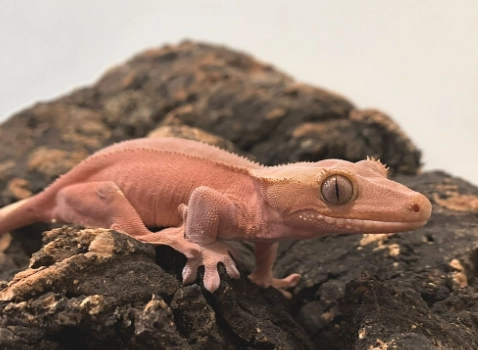
Breeding Crested Geckos is a very interesting thing, but it requires sufficient knowledge and patience. Don’t rush for quick results; observe their needs slowly. If you have more questions, welcome to share your experiences on reptile forums or related technical communities, where many senior hobbyists can provide help. Remember, every Crested Gecko is unique, and finding the method that best suits your pet is what matters most.
Original article by 搬运工, if reproduced, please cite the source: https://www.kaipet.com/en/crested-gecko-breeding-guide-10-year-veteran-explains-laying-environments-incubation-details