Having kept geckos for so many years, one of the questions I get asked most often is:
When does my gecko sleep?
This sounds simple, but it actually involves multiple issues such as environment, health, and even behavior. A gecko’s sleep time not only affects their vitality but is also directly related to their lifespan. Today, I want to share some lessons learned from mistakes to help you thoroughly understand the world of gecko sleep.
Basics of Gecko Sleep
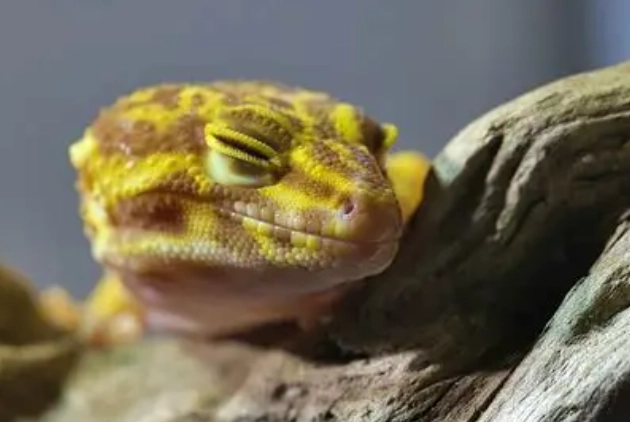
Many people know that geckos are nocturnal animals, but you might not realize that their sleep is actually more fragile than we imagine. For geckos, sleep is a critical period for repairing the body and regulating metabolism. If sleep is insufficient, geckos are prone to excessive stress, decreased appetite, and even lowered immunity.
My first gecko, “Little Spot,” suffered because I ignored lighting issues, causing it to be unable to sleep during the day and listless at night. At that time, I thought nocturnal animals just moved around at night and slept during the day, but actually, geckos need a stable cycle of darkness to trigger sleep. Without this process, their biological clock will be disordered.
Typical Gecko Sleep Patterns
Generally speaking, healthy geckos will sleep during the day and be active at night. But this is not absolute. Hatchlings may sleep longer because growth and development consume a lot of energy. Adults may adjust according to seasonal changes; for example, when temperatures are lower in winter, they will sleep longer.
The key lies in regularity. If you find your gecko’s sleep schedule is erratic, that might be a health warning. For example, my gecko usually sleeps between 8 AM and 6 PM, but once I moved the terrarium near a window, the light was too strong, and it started waking up intermittently during the day, which made me very nervous too.
How to Observe Gecko Sleep Times
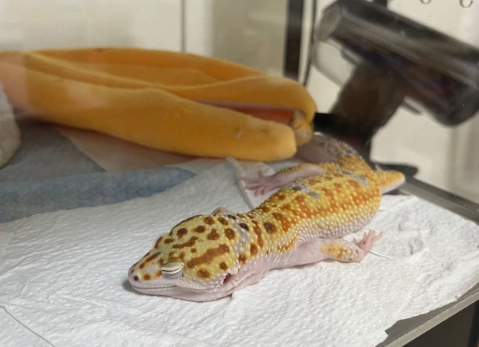
Observing a gecko sleeping isn’t just about seeing if its eyes are closed. When a gecko sleeps, its body will be in a relaxed state, breathing slows down, and sometimes it will find a hidden corner to curl up in. However, a common mistake newbies make is thinking that if a gecko is motionless, it is sleeping; actually, they might just be resting or remaining alert.
I suggest you keep a sleep log for 1 week. Check at fixed times every day and note the gecko’s status. The table format can be as follows:
| Time | Status (Sleeping / Active) | Notes (e.g., Temp, Light) |
|---|---|---|
| 8:00 AM | Sleeping | Terrarium temp 28°C |
| 12:00 PM | Sleeping | Natural light exposure |
| 4:00 PM | Slight activity | Approaching feeding time |
| 8:00 PM | Active | Pitch black environment |
Through such records, you can discover its schedule patterns. If the gecko wakes up frequently during the day, the environment might be too bright or too noisy. I once placed the terrarium in the living room, and the interference from TV sounds caused the gecko’s sleep quality to deteriorate; later, moving it to a quiet room restored it to normal.
Note: Geckos do not like to be disturbed while sleeping. If you always clean the terrarium or feed it while it is sleeping, it will cause great stress in the long run. It is best to perform these daily care routines in the evening when it starts to become active.
5 Keys to Creating an Ideal Sleep Environment
Environment is the biggest factor affecting gecko sleep time. Many owners only focus on temperature but ignore other details. Based on my experience, these 5 points are indispensable.
Light Cycle: Simulating Natural Day and Night
Geckos need a clear distinction between day and night. Use indirect light or low-wattage fixtures during the day, and keep it pitch black at night. I recommend using a timer to control the lights, ensuring consistent lighting time every day, for example, 12 hours of light and 12 hours of darkness. Avoid using colored night lights, because geckos are very sensitive to light, and even faint light can interfere with sleep.
Temperature and Humidity Control
It is best to keep the temperature between 24-30°C, and it can be appropriately lowered to 22-26°C at night. Humidity should be controlled at 50-70%. Being too hot or too humid will make the gecko sleep restlessly. I once used a heat mat without a thermostat, and as a result, the gecko suffered from insomnia because it was too hot; it only improved after I switched to a thermostat-controlled heater.
Setting Up Hides
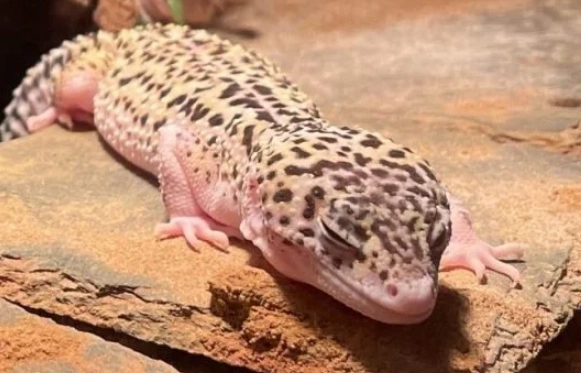
Geckos need a sense of security when sleeping. Provide at least 2 hides inside the terrarium, one in the warm zone and one in the cool zone. You can choose materials like coconut shells, wood, or specialized hiding caves. Remember, the inside of the hide needs to be dark enough, and the entrance shouldn’t be too big, allowing the gecko to crawl completely inside.
Noise and Vibration Management
Geckos are very sensitive to vibrations. Do not place the terrarium near televisions or stereos, and do not move it frequently. A friend of mine put his terrarium on his desk, and every time he typed on the computer, the gecko would be shaken awake; later, he moved it to a stable shelf, and the sleep problem was solved.
Enclosure Size and Layout
Space that is too crowded will increase stress, thereby affecting sleep. For an adult gecko, it is recommended that the terrarium size be at least 30x30x30 cm. The layout should be simple, avoiding too many decorations that create obstacles. The sleeping area is best kept away from the feeding area and water bowl to reduce disturbances.
These key points sound simple, but mistakes are often made in actual practice. For example, regarding the light cycle, many people think using the room lights is enough, but the room lights might still be on at night, inadvertently disrupting the gecko’s rhythm.
Common Causes and Solutions for Abnormal Gecko Sleep Times
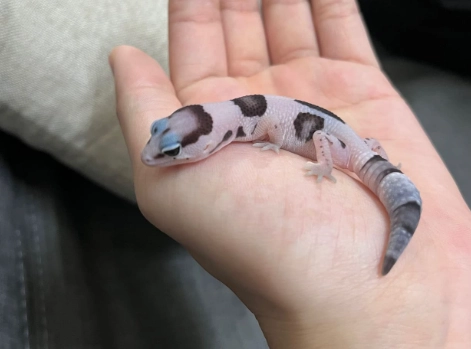
If your gecko’s sleep schedule is messed up, don’t panic yet. Here are a few common causes I’ve listed along with solutions.
Cause 1: Environmental changes. Moving, changing the terrarium, or adding new pets can all lead to sleep abnormalities. The solution is to try to keep the environment stable and give the gecko time to adapt. Once, my gecko didn’t sleep well for 3 whole days because I changed its hide; later, I put the old one back, and it returned to normal.
Cause 2: Health issues. Parasites, respiratory infections, or digestive problems can make geckos sleep restlessly. Observe if there are other symptoms, such as poor appetite or weight loss. If you suspect illness, it is best to consult a professional veterinarian.
Cause 3: Stress factors. Excessive interaction (Handling), having competitors in the terrarium (such as co-housing multiple geckos), and even frequent observation by the owner can cause stress. Disturbances should be reduced to give the gecko time alone. I suggest that daily interaction time should not exceed 15 minutes, and should avoid their sleep periods.
Cause 4: Improper lighting or temperature. Check if the lights are too bright or if heating equipment is malfunctioning. Use a thermometer and hygrometer to monitor regularly. Once my heat mat broke and the temperature dropped suddenly; the gecko was too cold to sleep until I replaced it with a new device.
Handling these issues requires patience; do not rush to use medication or force a change in its behavior. Start by adjusting the environment, and usually, you will see improvement within 1 to 2 weeks.
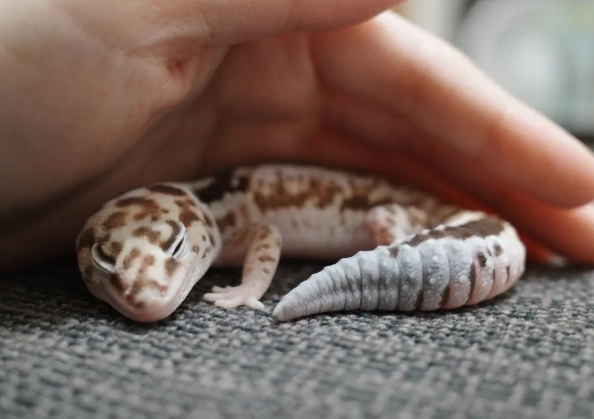
Personal Experience: I once made a mistake thinking I could take photos and share them freely while the gecko was sleeping during the day. As a result, the camera flash scared it, causing its sleep to be interrupted for several days. Now I only take photos in the evening when it is active, and absolutely never disturb sleep time.
Expert FAQ: In-depth Q&A on Gecko Sleep
Q1: Do I need to keep absolutely quiet when the gecko sleeps during the day?
Not necessarily complete silence, but avoid sudden loud noises. Geckos can usually adapt to gentle noises in daily life, such as talking or low-volume music. The key lies in environmental consistency. If your environment is usually quiet and suddenly becomes noisy, the gecko will be affected. I suggest maintaining a stable sound environment so the gecko gets used to it.
Q2: How do I tell if my gecko’s sleep schedule has changed due to illness?
Besides sleep time, also observe other signs: has appetite decreased, is excretion normal, is it lethargic when active? Sick geckos may sleep more or less, and their sleeping posture may be abnormal, such as curling up too tightly or lying flat and motionless. If accompanied by weight loss or abnormal breathing sounds, consult a vet immediately. I once encountered a gecko that couldn’t sleep deeply during the day and woke up often due to gastrointestinal issues; it only recovered after treatment.
Q3: My gecko sleeps longer in winter; do I need to adjust my care methods?
Yes. In winter, temperatures are low, and the gecko’s metabolism slows down, so sleep time may increase by 20-30%. At this time, ensure heating equipment is stable to avoid large temperature fluctuations. Feeding frequency can be appropriately reduced, for example, from feeding every day to every other day. But the light cycle should remain unchanged to maintain its biological clock. I use a heat lamp to assist in winter, ensuring the night temperature does not drop below 22°C.
Q4: Is there a difference in sleep time between hatchling geckos and adult geckos?
There is a difference. Due to growth needs, hatchlings generally have longer sleep times, potentially sleeping 14-16 hours a day, while adult individuals sleep about 12-14 hours. Hatchlings are also more easily disturbed by the environment, so they need a more stable environment setup. When I raise hatchlings, I pay special attention to the comfort of their hides, using soft substrate to let them sleep more soundly.
Q5: If the gecko doesn’t sleep at night and stays active, is there a problem?
Not necessarily. Geckos are nocturnal animals, so being active at night is normal. But if the activity is excessive, such as constantly climbing walls or appearing very anxious, it may be caused by environmental discomfort, such as temperatures being too high or the space being too small. Please check environmental parameters to ensure there are no stressors. Once, due to insufficient ventilation in the terrarium, my gecko acted very restless at night; it calmed down after I improved the ventilation.
Overall, gecko sleep time is a topic that requires careful observation and adjustment. From environment setup to daily care, no step can be neglected. Remember, regularity is key. If you can provide a stable environment, the gecko will naturally sleep soundly and grow well.
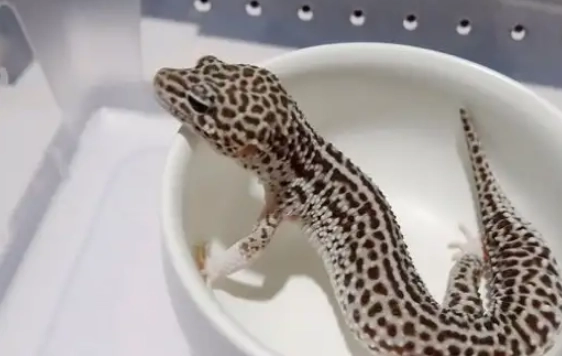
The most important lesson I’ve learned in all these years of keeping geckos is: respect their natural rhythm. Don’t measure them by human standards, but find the way that suits them best through observation and understanding. I hope this article can help you avoid the “pitfalls” I’ve stepped into, allowing your gecko to grow up healthy and happy.
Original article by 搬运工, if reproduced, please cite the source: https://www.kaipet.com/en/gecko-sleeping-sickness-sleep-patterns-5-care-tips-explained