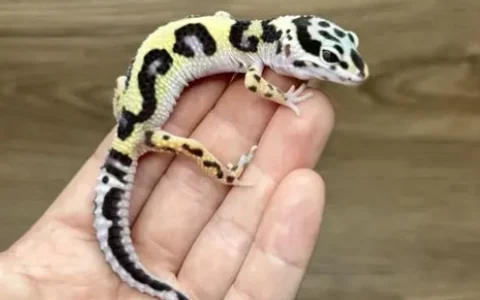
Having kept geckos for 10 years, I have encountered many cases of egg-binding. Gecko egg-binding, simply put, is when a female gecko is laying eggs, but the eggs get stuck in her body and cannot be expelled. This is by no means a trivial matter; in severe cases, it can even be life-threatening. Many beginners panic the moment they see their gecko refusing to eat or drink, but the underlying reasons can actually be quite complex. In this article, I will directly tell you the top 5 causes of gecko egg-binding, as well as how to prevent and treat it. If you are searching for “causes of gecko egg-binding,” then you have come to the right place.
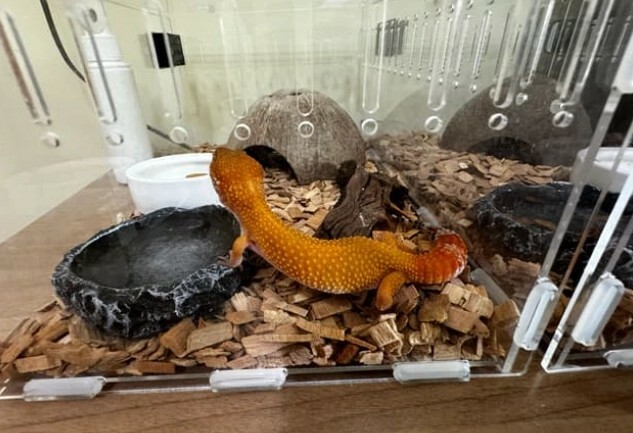
Symptoms of Gecko Egg-Binding
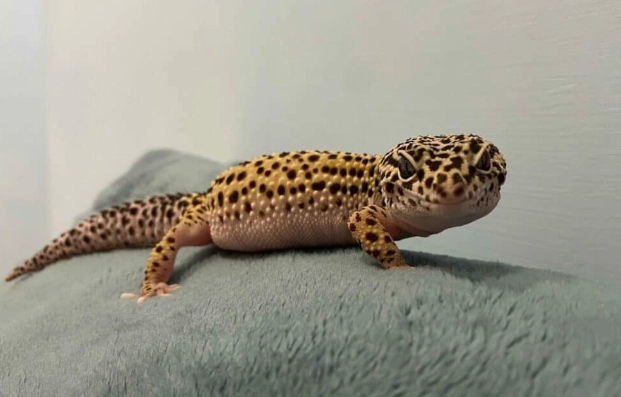
Gecko egg-binding is medically known as Dystocia, which means obstructed labor. When a female gecko reaches the breeding season, the eggs get stuck in the oviduct and cannot be expelled naturally. This situation not only happens to older geckos but young ones can also fall victim to it. I remember when I kept my first leopard gecko, she suffered from egg-binding when she was only 2 years old. At the time, I thought she was just constipated, and it dragged on for 2 days before I realized something was wrong.
The symptoms of egg-binding are often quite hidden. The gecko will hide in a corner showing little activity, and her abdomen will look swollen, but this requires careful observation or handling to notice. Some geckos will constantly dig in the substrate, showing a strong desire to burrow, but the eggs just won’t come out. A decline in appetite is inevitable, and if there is a complete refusal to eat, it indicates that the situation has become very serious. Beginners often mistake this for normal breeding behavior, thereby delaying the timing for medical treatment.
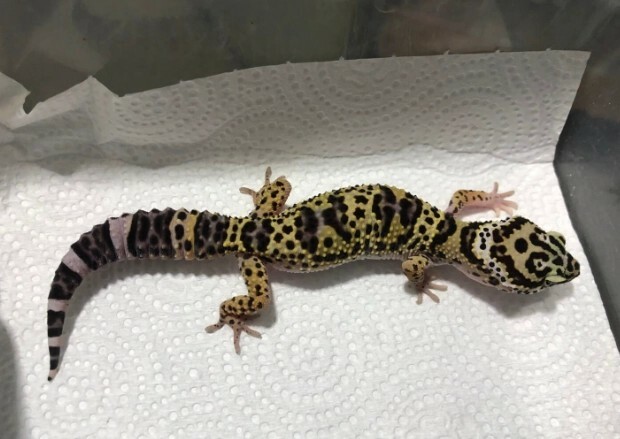
Key point: Gecko egg-binding is not a single issue, but the result of multiple intertwined factors. An environment that is too dry, malnutrition, or excessive stress can all trigger it. Do not just blame the gecko’s poor constitution; the owner’s responsibility is often greater.
The Top 5 Causes of Gecko Egg-Binding
Based on my experience and information from relevant reptile associations, the causes of egg-binding can be categorized into the following 5 types. I have organized them into a table for your easy reference.
| Cause Category | Specific Factors | Impact Level |
|---|---|---|
| Improper Environmental Control | Insufficient humidity, large temperature fluctuations, lack of a nesting area | High |
| Malnutrition | Calcium deficiency, insufficient Vitamin D3, overfeeding | High |
| Health Issues | Oviduct infection, obesity, congenital defects | Medium |
| Stress Factors | Noisy environment, frequent disturbances, threats from other pets | Medium |
| Improper Breeding Management | Overbreeding, keeping males and females together for too long | Low |
Improper environmental control is the most common cause. Geckos require stable temperature and humidity to promote egg-laying. The humidity is best kept at 60-80%, but many owners only use heating pads and neglect humidification, causing the environment to be too dry, which makes the eggshells harden and get stuck. Temperature is equally important; if the day-night temperature difference exceeds 5°C, the gecko’s metabolism will be disrupted.
In terms of malnutrition, beginners often make mistakes. For example, feeding only crickets or mealworms long-term without supplementing with calcium powder. A lack of calcium will cause the eggshells to become soft, actually making them more likely to get stuck in the oviduct. Although D3 can help with calcium absorption, excessive amounts can lead to toxicity. I recommend assisting with moderate natural sunlight or UVB light instead of blindly feeding supplements.
Among health issues, oviduct infections are very tricky. Bacterial infections cause tissue swelling, blocking the birth canal. This is usually accompanied by abnormal feces, but it is hard to detect in the early stages. Obesity is also a major hidden danger; fat accumulation will compress the internal organs and affect egg-laying. I once saw a gecko that was so fat that after getting egg-bound, she could only be saved through surgery.
Stress factors are easily underestimated. Geckos are sensitive animals; a noisy environment or frequent handling will make them nervous, which in turn causes them to stop laying eggs. A friend of mine kept his gecko next to the TV in the living room, and as a result, she kept getting egg-bound during the breeding season. The situation significantly improved after she was moved to a quiet room.
Improper breeding management is mainly seen in commercial breeders. If a female gecko lays eggs multiple times a year without sufficient rest periods, her body will be exhausted. Keeping males and females together for too long, with the male gecko constantly chasing the female, will also bring immense stress to the female gecko, increasing the risk of egg-binding.
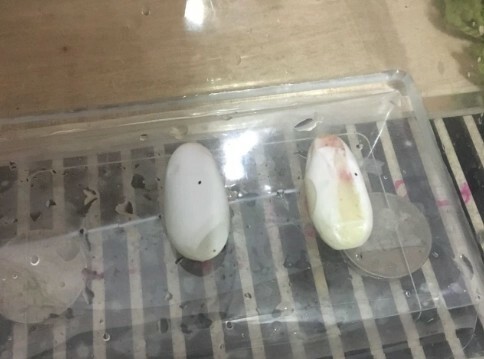
The Delicate Balance of Humidity and Temperature
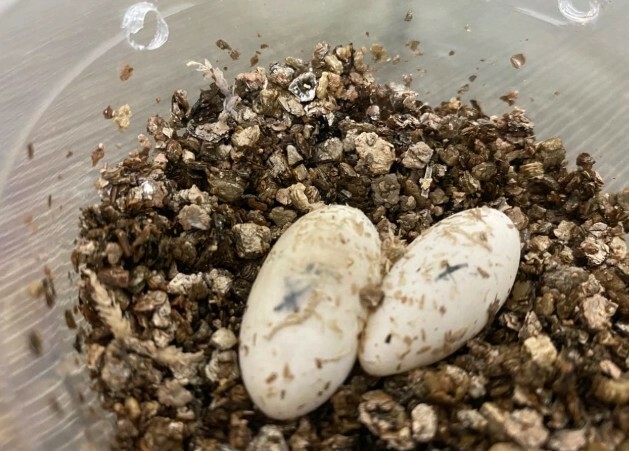
Humidity control cannot rely solely on spraying water. You need to use a hygrometer for monitoring and set up a dedicated nesting area. The nesting area can be a plastic container filled with moist vermiculite or sphagnum moss, placed in the warm zone of the enclosure. Once the gecko senses the appropriate humidity, she will actively go there to lay eggs. Regarding temperature, maintain the warm zone at 28-32°C and the cool zone at 24-26°C, ensuring a distinct temperature gradient.
I once caused my gecko to become egg-bound because I only used a heat lamp without controlling the humidity. Later, I switched to using a water bowl for humidification and spraying regularly, and the problems decreased significantly. These small adjustments are inexpensive but yield remarkable results.
The Crucial Role of Calcium and Vitamins
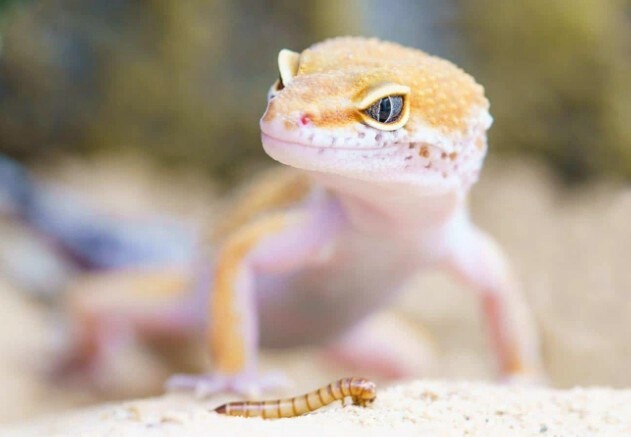
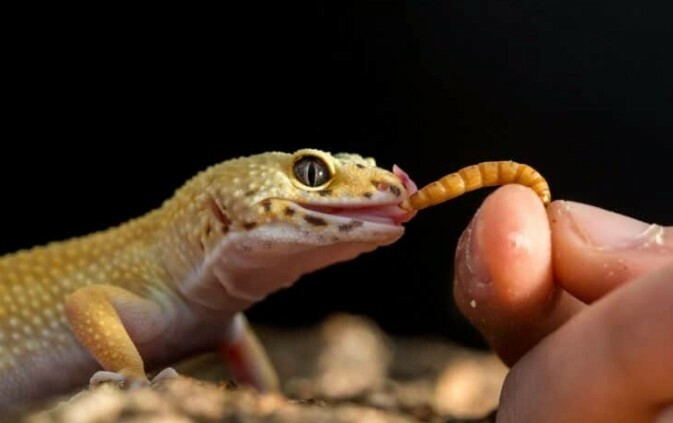
You should choose calcium powder containing D3, but the dosage must be strictly controlled. Supplement it 2 – 3 times a week by simply dusting it over the feeder insects. The diet should be diverse; rotate between crickets and Dubia roaches to avoid a monotonous diet. Overfeeding will lead to obesity. I recommend feeding juveniles every day and adults once every 2 days, with the portion size being roughly the size of the gecko’s head.
Some owners feed too many high-fat foods like superworms, which increases the burden on the gecko’s liver and affects egg-laying. My approach is to increase calcium supplementation 1 month before the breeding season and ensure clean drinking water is provided.
How to Identify Gecko Egg-Binding?
Identifying egg-binding is better done as early as possible. Here is a symptom checklist you can go through item by item:
- Abnormal behavior: Decreased activity, hiding for long periods, making digging motions in the substrate but not laying eggs.
- Swollen abdomen: Obvious hard lumps can be felt when touching the abdomen, which may or may not be symmetrical.
- Complete refusal to eat: Has not eaten for over 48 hours.
- Difficulty excreting: Reduced or no defecation; sometimes the feces are blood-tinged.
- Posture changes: Dragging hind legs weakly, or frequently displaying an arched back posture.
If 3 or more of the above symptoms appear, it is highly likely to be egg-binding. At this point, remember not to press hard on the abdomen to avoid damaging the internal organs. It is recommended to first increase the environmental humidity to 80% and observe for a few hours. If there is no improvement, please prepare to take her to the vet.
Beginners often confuse egg-binding with constipation. With constipation, the abdomen is usually softer, whereas with egg-binding, you can feel hard lumps. If you are unsure, it is better to treat it as egg-binding. Time is of the essence; if dragged on for too long, the eggs might rupture inside the body, causing fatal Peritonitis.
Preventive Measures for Gecko Egg-Binding
Prevention is always better than cure. I have summarized a few key preventive measures, all drawn from the lessons of past failures.
First, the environmental setup must be proper. The enclosure size should be at least 40x30x30 cm, providing a clear temperature gradient and hiding spots. A nesting area is essential; use a sealed container filled with moist vermiculite, half-buried in the substrate. Thermometers and hygrometers must be checked daily.
Second, nutritional management must be precise. Calcium powder should be supplemented regularly every week, increasing to once every 2 days during the breeding season. Before feeding insects to the gecko, feed them carrots or specialized feed to enhance their nutritional value. Drinking water needs to be changed daily to keep the water quality clean.
Furthermore, reduce stress sources. Place the enclosure in a quiet area, avoiding sudden noises. Handle the gecko gently, and the frequency of handling should not exceed twice a week. Multiple geckos must be housed separately, especially during the breeding season.
Finally, conduct regular health checks. Weigh them monthly and record weight changes. Observe if the feces are normal (normally white urates and brown feces). If there is a foul odor or abnormal color, there might be an infection.
Ever since I implemented these measures, the egg-binding rate of my own geckos dropped from 30% in the early days to almost zero. Careful planning upfront is much easier than emergency first aid later on.
Steps for Emergency Treatment of Gecko Egg-Binding
In the event that your gecko really gets egg-bound, do not panic. Following these steps can improve her survival rate:
- Isolate immediately: Move the gecko to a quiet, warm environment, maintaining the temperature at 30°C.
- Increase humidity: Use a warm water mist to raise the humidity to 85%, or give the gecko a warm water bath (water depth not exceeding the feet, 10-15 minutes each time).
- Supplement calcium: If the gecko can still eat, give liquid calcium; if she is already refusing to eat, prepare to take her to the vet for a calcium injection.
- Observe the reaction: Wait 2 – 4 hours to see if there are any signs of egg-laying. If ineffective, proceed immediately to the next step.
- Contact a veterinarian: Find a vet who specializes in treating reptile pets. Describe the symptoms in detail and book an emergency appointment.
- Preparation for the vet trip: Transport the gecko using a soft container, keep her warm, and bring along her health records.
Is it necessary to go to the vet? My principle is: if the gecko shows no improvement after 24 hours, or exhibits extreme weakness and difficulty breathing, you must take her to the vet immediately. The vet might use medication to induce labor or remove the eggs surgically. Although surgery carries risks, sitting and waiting for death is even more dangerous.
I once encountered 1 case where the owner tried to massage the abdomen themselves, which resulted in the rupture of the gecko’s oviduct. Absolutely do not attempt to treat it blindly on your own; professional matters should be handled by professionals.
Frequently Asked Questions About Gecko Egg-Binding
It is effective, but the effect is limited. Increasing humidity can soften the eggshell and lubricate the birth canal, which does help with mild egg-binding. However, if the egg-binding is caused by an infection or deformity, humidification is useless. I recommend trying it for 2 – 4 hours; if it doesn’t work, don’t delay any further and find a vet immediately. Many owners over-rely on this ‘home remedy,’ thereby delaying the best time for treatment.
Geckos with calcium deficiency are usually accompanied by muscle tremors or bone softening, and the eggshells they lay may be very thin. Infected geckos will show signs of foul-smelling feces, lethargy, or even a fever. You can check your daily husbandry records: if calcium powder supplementation has been insufficient, it is highly likely a calcium deficiency; if hygiene conditions are poor or a new pet was recently introduced, it is more likely an infection. When unsure, a vet can provide a definitive diagnosis through an X-ray or Blood test.
It depends on the situation. If treated promptly without complications, she can breed again after a 3 – 6 month recovery period. However, if it was recurrent egg-binding or if she underwent surgery, her reproductive ability may be impaired. It is recommended to let the gecko fully recover and adjust her diet and environment before consulting a vet. Forced breeding will only increase the risk; sometimes, letting the gecko ‘retire’ to just be a pet is the responsible choice.
The mortality rate depends largely on the speed of treatment. If the egg-binding is left untreated for over 48 hours, the mortality rate can be as high as over 50%; if detected early and taken to the vet promptly, the mortality rate can be reduced to under 10%. By regularly observing and recording behavior, the vast majority of fatal cases can be avoided. Many geckos die from owner negligence and the ‘wait another 2 days and see’ mentality.
Keeping a gecko is a long-term commitment, and egg-binding is just one of the challenges in the pet-keeping process. By understanding the causes, actively preventing them, and treating them promptly, you can minimize the risks. If you have more questions, I suggest consulting professional reptile forums or local reptile communities. Remember, every gecko is unique; only through patient observation and adjustment can you let them live healthy and happy lives.
Original article by 搬运工, if reproduced, please cite the source: https://www.kaipet.com/en/complete-analysis-gecko-egg-binding-quickly-identify-symptoms-master-emergency-treatments