

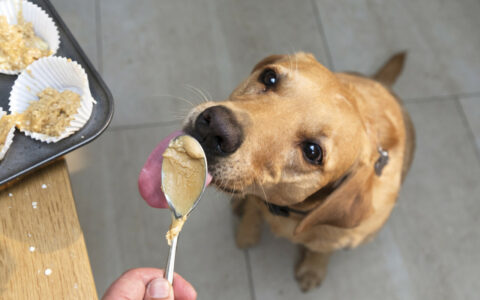
The answer is yes, but with some precautions. We all know that yogurt is a very healthy food, rich in protein, calcium, and probiotics, which are beneficial to the human body, and these benefits also apply to dogs. However, many yogurt products sold on the market are actually “beverage” flavored with yogurt, which are not suitable for dogs. Therefore, we should choose yogurt made from pure milk fermentation without any additives.

Yogurt Selection
- Choose Unflavored Yogurt: Do not give dogs cold yogurt; it is best to choose yogurt at room temperature. Cold food may cause dogs’ stomachs to cool down, which can easily lead to diarrhea.
- Avoid Additives: Do not give dogs yogurt with added fruit juices, fruit pieces, flavors, or other additives, as these ingredients may cause allergies or indigestion in dogs.
Yogurt Consumption Amount and Frequency
- Control the Amount and Frequency: We need to control the amount and frequency of yogurt consumption for dogs. Although lactic acid bacteria and Bifidobacteria in yogurt help with digestion and nutrient absorption, overconsumption of yogurt at once may lead to increased gastrointestinal burden and internal imbalance.
- Moderate Consumption: Generally, half a cup, about 100 milliliters of yogurt is sufficient for small or medium-sized dogs; while large or giant dogs may need about a full cup, about 200 milliliters of yogurt.
- Control Frequency: Do not give dogs yogurt every day, as long-term intake of high-calcium foods can affect the absorption and utilization of other trace elements. Generally, it is enough to give dogs yogurt two to three times a week.
Observe the Dog’s Reaction
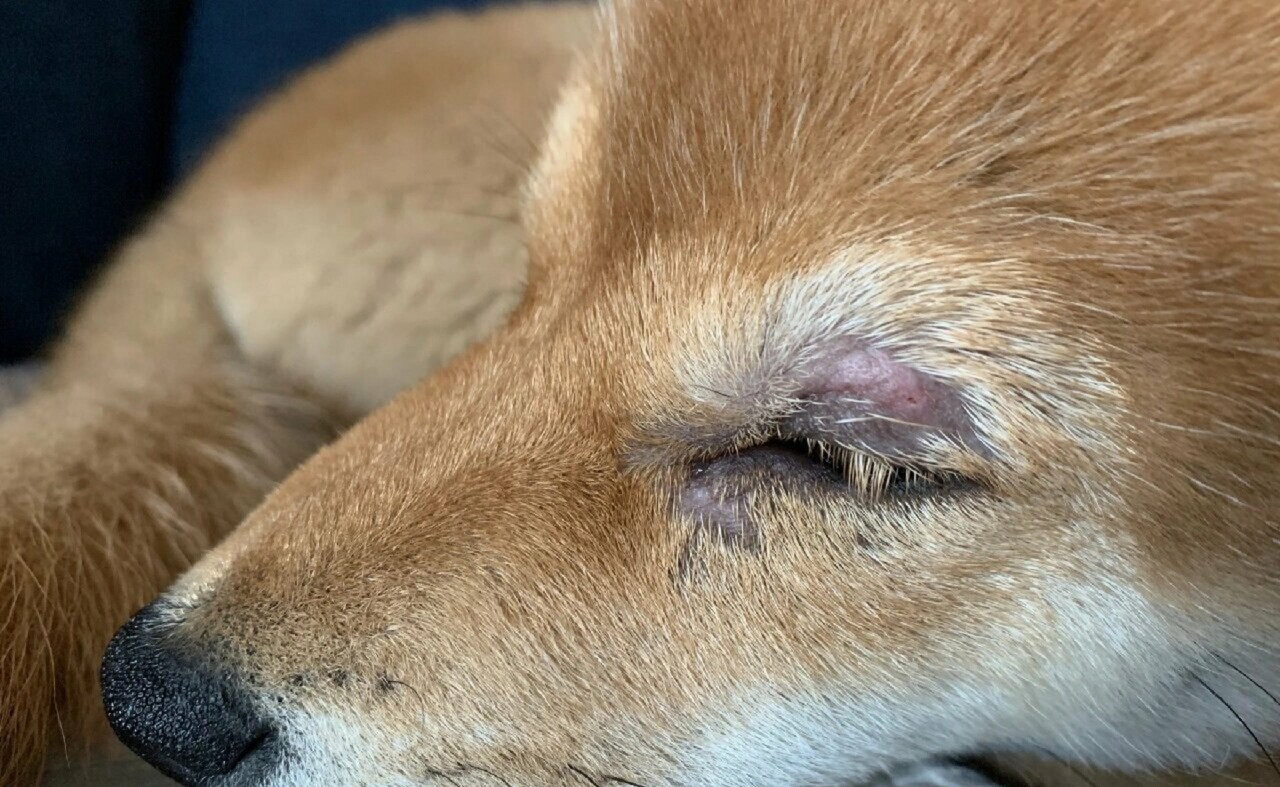
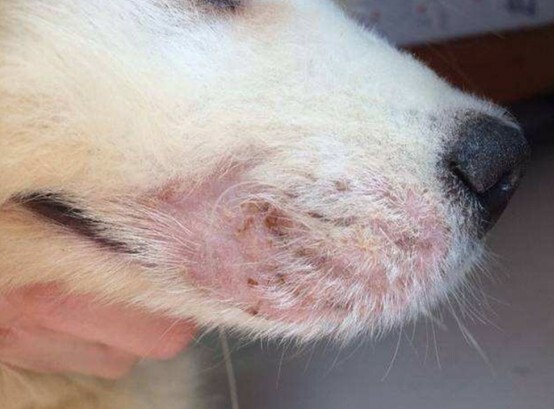
we need to carefully observe the dog’s reaction after drinking yogurt. If vomiting, diarrhea, or skin redness and swelling are observed, please immediately stop giving them yogurt and contact a veterinarian for examination and treatment promptly. These symptoms may be caused by lactose intolerance or allergic reactions.
Consideration for Special Cases
if your dog has special health conditions, such as renal disease, skeletal abnormalities, or obesity, please consult a veterinarian before giving them yogurt to avoid adverse effects on their health.
In summary, dogs can drink yogurt.
Original article by KPTer, if reproduced, please cite the source: https://www.kaipet.com/en/dogs-drink-yogurt-correct-feed-yogurt-pets







Comments(2)
This is really helpful! What are some less obvious signs of dog lactose intolerance or allergies to watch out for?
@CriticX:We’re glad you found it helpful! That’s a great question. Beyond the common signs, less obvious indicators of intolerance or allergies might include excessive paw licking, recurring ear infections, or mild gas/bloating. Always consult your vet for a definitive diagnosis if you notice any changes.