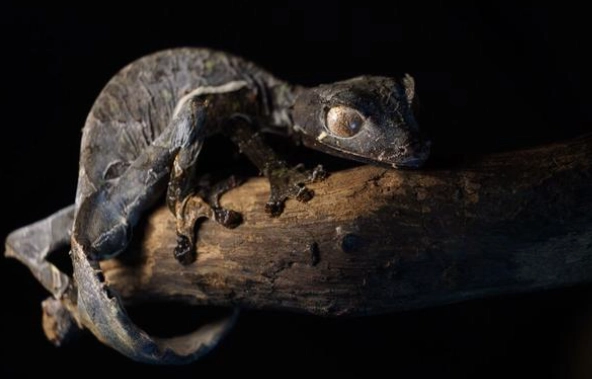
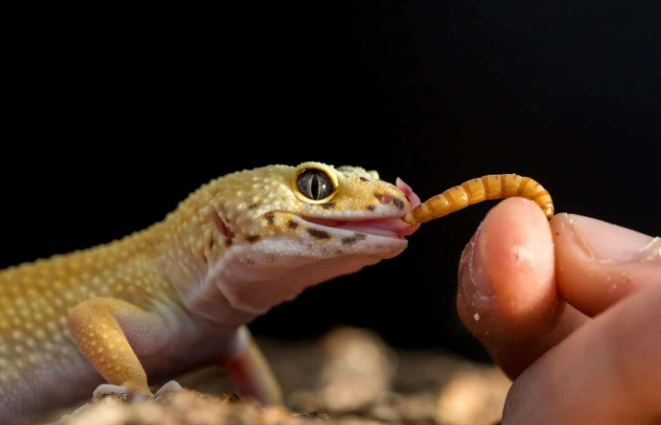
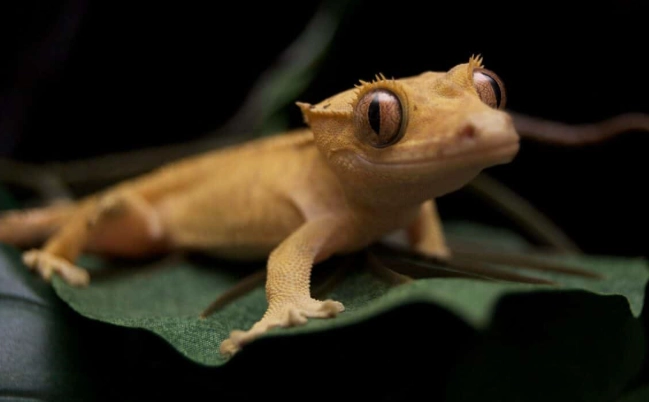
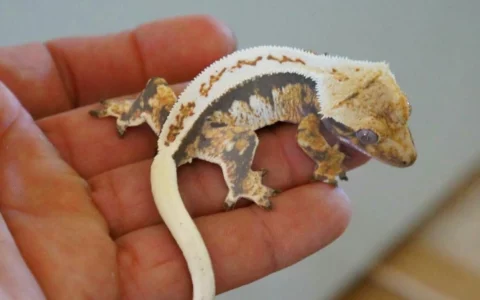
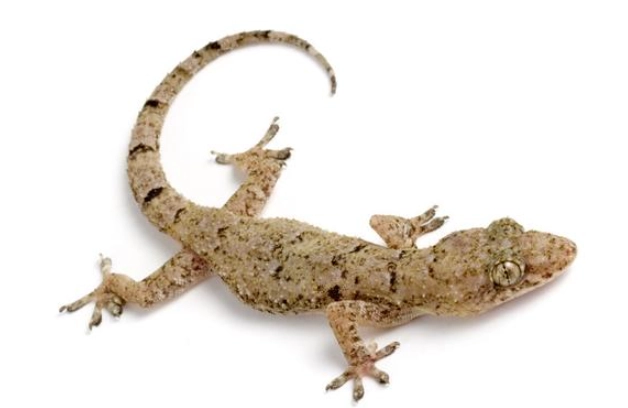
When mentioning “Shougong” (守宫), many people immediately think of the small animals crawling on walls. But do you know why a gecko is called a Shougong? This name sounds slightly mysterious and even carries a touch of ancient style. In fact, Shougong is what we commonly call a gecko, but hidden behind its name is an interesting historical and cultural story. Having raised geckos for several years, I’ve found that many people have only a partial understanding of the name’s origin, or even misunderstand it. Today, I will deeply analyze this issue, taking you on a journey of discovery from historical documents and scientific classification to folk legends.
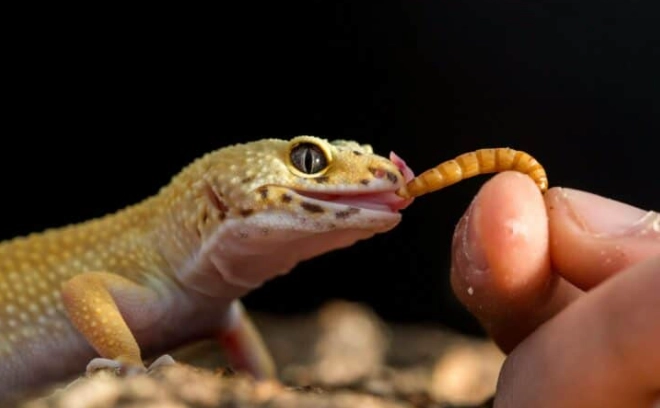
Historical Origins of the Name
The name “Shougong” can be traced back to ancient Chinese literature. It was not named arbitrarily but is closely related to an ancient legend. I remember thinking it was somewhat incredible when I first heard this story, but after consulting materials, I found that it actually reflects the ancients’ observation and imagination of natural phenomena.
Records in Ancient Literature
In the classic medical text Compendium of Materia Medica, Li Shizhen mentioned the Shougong and explained the origin of its name. According to records, the ancients believed that the Shougong (gecko) had a special use: to make “Shougong Sand” (a type of legendary drug used in ancient times to verify a woman’s chastity). This is a legendary substance claimed to test chastity when applied to a woman’s body. If chastity was lost, the Shougong Sand would disappear. Sounds very “mystical,” right? But this is precisely the core source of the name “Shougong.”
The literal meaning of “Shougong” is “guarding the palace.” In ancient times, “palace” (or gong shi) often referred to women’s boudoirs or royal residences. Since geckos frequently move about on walls, they were associated with being guardians. Coupled with the legend of Shougong Sand, this name gradually became fixed. However, modern science has long proven that Shougong Sand has no actual effect; it is more of a cultural symbol.
Here is a little anecdote: I once heard an old man in a traditional market say that it is called Shougong because it eats mosquitoes and protects the home. This is actually another interpretation from folk culture, but historical documents mainly support the allusion to Shougong Sand.
From a linguistic perspective, the continued use of the term “Shougong” may be related to the inheritance of Hokkien (a dialect in Southern China) or Hakka (a dialect in Southern China). In Hokkien, geckos are often called “𧖼蜅 ” (tsit-thôo) or “Bihu” (Wall Tiger), while the elegant name “Shougong” appears more in written or academic discussions. This reflects the diversity of names.
Scientific Relationship Between Shougong and Geckos
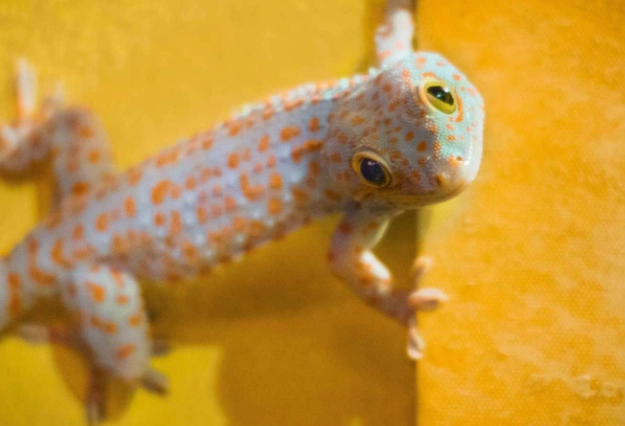
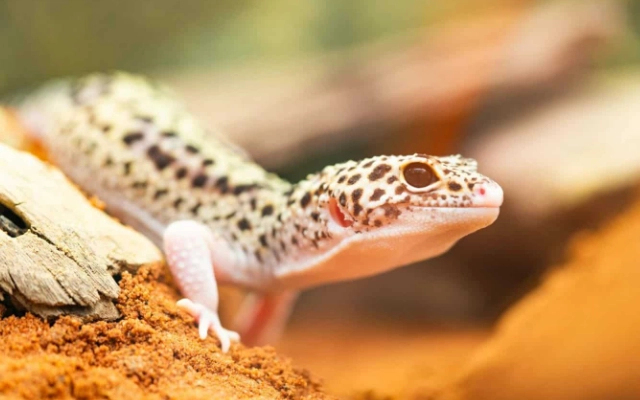
Many people cannot distinguish whether a Shougong and a gecko are the same animal. Simply put, Shougong is an alternative name for a gecko, but in scientific classification, they belong to the Family Gekkonidae (Shougong Ke) within the Class Reptilia (a class of vertebrates including snakes, lizards, turtles, etc.). I have raised several types of geckos, such as Leopard Geckos and Crested Geckos, and found them very popular in the pet circle, but ordinary people still habitually call them geckos (Bihu).
Scientifically, “Gecko” (Bihu) is a common general term referring to animals in the Family Gekkonidae. Common gecko species include the Flat-tailed House Gecko and the Hokou Gecko, all of which belong to the Shougong category. If you look up the entry for “Shougong” on Wikipedia, you will find that it redirects directly to the Gecko page, indicating that the two are synonyms. However, experts point out that “Shougong” in Chinese emphasizes cultural connotations, while “Bihu” leans towards colloquial usage.
The following table can help you quickly understand the scientific classification of the Shougong:
| Item | Explanation | Remarks |
|---|---|---|
| Chinese Name | Shougong, Bihu (Gecko) | Shougong is more elegant; Bihu is more colloquial |
| English Name | Gecko | Derived from Malay |
| Scientific Classification | Kingdom Animalia > Phylum Chordata > Class Reptilia > Order Squamata (an order under Class Reptilia, including lizards and snakes) > Family Gekkonidae | Over 1,500 species globally |
| Common Species | Flat-tailed House Gecko, Hokou Gecko | Mostly appear in urban environments |
I found a common misunderstanding: some people think “Shougong” refers only to specific breeds, such as the Leopard Geckos sold in pet shops. But in fact, all geckos can be called Shougong. This point is very important when keeping them, as confusion over names may lead to deviations in care methods.
Shougong in Culture
Besides history, the Shougong also plays an interesting role in culture. In folk culture, Shougong are often regarded as mascots, believed to be able to ward off evil and bad luck. When I lived in the countryside as a child, my grandmother said that having a gecko in the house is a good thing, symbolizing peace in the home. This concept likely stems from the imagery of Shougong “guarding.”
In addition, geckos hold a similar status in Japanese culture, where they are called “Shougong” (written in Kanji) or “Yamori” (House Guard), meaning guarding the family. This is very similar to the saying in China, reflecting commonalities in East Asian culture. However, in Western culture, geckos are viewed more as cute pets without much mythological coloring.
Speaking of this, I recall a personal experience. Once, on an old street in Tainan, I saw a shop with a gecko pattern stuck on the door. The owner said this was to attract wealth. I asked him why, and he explained that because geckos eat bugs and protect goods, they symbolize guarding wealth. Although this is not a mainstream theory, it reflects the diverse interpretations of folk creativity.
From these stories, it can be seen that the name “Shougong” is not only a historical legacy but also integrated into daily life. This is perhaps why the name “Shougong” has been passed down to this day, rather than being completely replaced by “Bihu.”
Clarification of Common Misunderstandings
Regarding the origin of the Shougong‘s name, I have heard many rumors. The most common one is: it is named Shougong because it guards the home. This sounds reasonable, but historical documents show that it is primarily influenced by the legend of Shougong Sand. Another misunderstanding is thinking that Shougong and lizards are the same thing; in fact, the category of lizards is broader, and Shougong is just one family within it.
It must be pointed out that some pet websites exaggerate the story of the Shougong‘s name to attract traffic, or even fabricate new theories. As someone who has raised geckos, I think this only confuses beginners. The best way is to return to history and science to get accurate answers.
FAQ: In-Depth Q&A
Is there a specific scientific difference between a Shougong and a Bihu (Gecko)?
In scientific classification, Shougong and Bihu refer to the same type of animal, both belonging to the Family Gekkonidae. There is no difference between the two, only the Chinese appellation differs. “Shougong” is a more elegant term originating from ancient culture; “Bihu” is a colloquial name emphasizing its habit of moving on walls. Both are used interchangeably, but academic literature tends to use “Shougong.”
Why did ancient people believe Shougong Sand could verify chastity?
This is related to ancient superstition and limited medical knowledge. The method for making Shougong Sand is recorded in the Compendium of Materia Medica, but modern research indicates it may just be a form of psychological suggestion or pseudoscience. Ancients observed certain characteristics of the gecko (such as tail regeneration), deified them, and applied them to social norms. This reflects how culture influences the perception of nature, but from a scientific perspective, there is no empirical evidence to support it.
Is the name “Shougong” still commonly used? Or does everyone call it Bihu?
In daily life, most people are used to calling it “Bihu,” especially in spoken language. The term “Shougong” appears more in written language, academic discussions, or circles of pet enthusiasts. For example, when pet shops sell Leopard Geckos, they use “Shougong” to highlight their uniqueness. But if you ask passersby on the street, nine out of ten will say “Bihu.” This reflects the practicality of language evolution.
What problems can name confusion cause when keeping geckos as pets?
This is indeed a difficulty. Beginners might mistake Shougong and Bihu for two different animals because of the different names, leading to erroneous care information. For example, certain gecko species (such as native geckos) are not suitable as pets, but if you search for “Shougong care,” you might only find advice regarding pet breeds. My suggestion is to confirm the scientific name of the species before raising it and refer to authoritative sources (such as guides from relevant reptile associations) to avoid improper care.
Does the origin of the Shougong’s name still influence modern culture?
Yes, it does. Although the legend of Shougong Sand is outdated, the Shougong, as a cultural symbol, still appears in art and literature. For instance, in some creative cultural products, the Shougong is designed as an image of a guardian deity. Furthermore, the historical origin of the name gives the Shougong more topicality in the reptile pet community, attracting people to deeply understand the connection between nature and culture.
In summary, the reason why a Shougong is called a Shougong does not have a single answer. It integrates historical legends, scientific facts, and cultural evolution. Next time you see a gecko crawling over a wall, perhaps you will have a little more understanding: this little fellow’s name actually carries so many stories. I hope this article can resolve your doubts. If you have more questions, you are welcome to explore related resources further.
Original article by 搬运工, if reproduced, please cite the source: https://www.kaipet.com/en/geckos-called-shougong-unveiling-origin-legend-shougong-sand