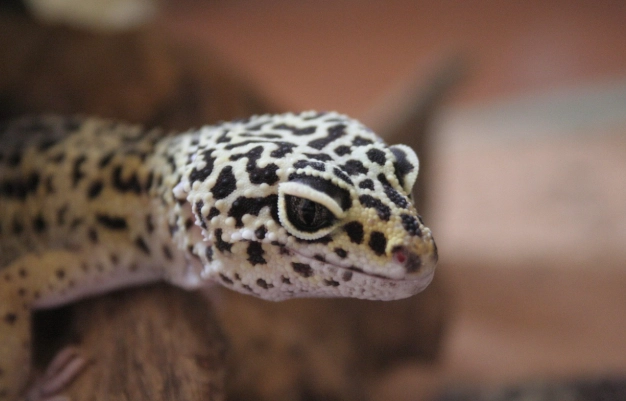
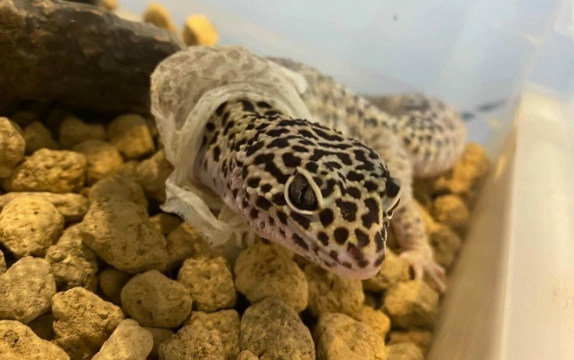
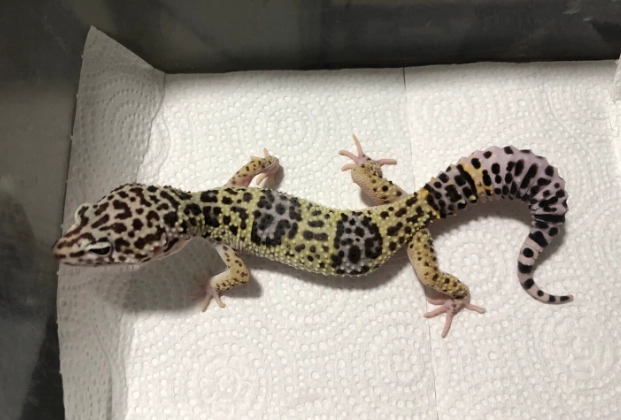
With meticulous care, the lifespan of a Leopard Gecko can reach 15 to 20 years, or even longer. My first Leopard Gecko, “Xiao Ban,” lived for 18 years; he accompanied me through my entire youth, from high school until I started working. However, I have also seen geckos develop problems in less than 5 years. The key lies in the details of their husbandry.
Average Lifespan of Leopard Geckos: The Truth Behind the Numbers
It is often said online that Leopard Geckos can live for 10 to 20 years, but this range is too broad. According to care guides from relevant herpetological associations (non-profit organizations that promote reptile keeping), the average lifespan in captivity is approximately 15 years, but this depends on how you look at it.
Differences Between Wild and Captive Environments
In the wild, the lifespan of a Leopard Gecko is much shorter, only about 5 to 8 years. The reasons are simple: unstable food sources, numerous predators, and significant environmental changes. Captivity provides stable food and shelter, but this doesn’t mean they will live a long life with just any casual care.
I remember attending a reptile expo once where a seller “bragged” that his Leopard Geckos could live for 25 years, yet I saw his enclosure was both dirty and small; this is completely misleading. Longevity is not a matter of luck, but a result of scientific husbandry.
Key Figures Affecting Lifespan
According to data from the international reptile magazine Reptiles Magazine, the lifespan distribution of Leopard Geckos is roughly as follows:
| Husbandry Conditions | Average Lifespan | Key Factors |
|---|---|---|
| Basic Husbandry (Only meeting basic needs) | 8-12 Years | Limited diet, simple environment |
| Advanced Husbandry (Attentive to details) | 15-20 Years | Balanced diet, temperature control |
| Professional Husbandry (Expert-level care) | 20+ Years | Regular checkups, environmental enrichment |
As you can see, the difference is very significant. In my personal experience, starting from the 10th year, Xiao Ban’s activity levels decreased, but after I adjusted the temperature and food, he lived for another 8 years.
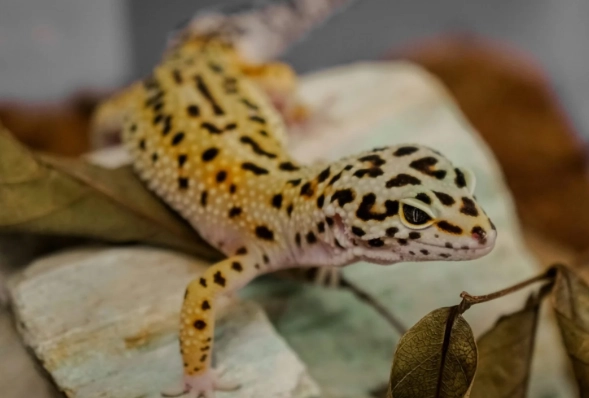
Five Key Factors Affecting Lifespan
Many people think that just feeding them enough is sufficient, but in fact, 5 factors are more important than imagined. I have listed them here for you to cross-check:
- Environmental Temperature and Humidity: Leopard Geckos are ectotherms. If the temperature is incorrect, their metabolism will become disordered. The warm end should be maintained at 30-32°C during the day, dropping to 24-26°C at night. Humidity should be kept at 30-40%; excessive humidity can easily trigger skin diseases.
- Balanced Diet and Nutritional Supplements: You cannot feed them crickets alone. You need to provide a diverse diet: rotate between crickets, mealworms, and superworms, and supplement with calcium powder and Vitamin D3 every week. I used to be lazy about calcium supplementation, and as a result, Xiao Ban once had a difficult shed that almost turned into a disaster.
- Living Space and Cleanliness: A 60 cm long enclosure is the basic configuration, though larger is always better. Cleanliness is of paramount importance; clean up feces at least once a week and perform a thorough disinfection every month. Bacterial growth is a “silent killer.”
- Genetics and Morph Variations: Some morphs (such as Albino strains, which are genetic mutations resulting in a lack of pigment) may have slightly weaker constitutions. When purchasing, choose a reputable breeder to avoid buying individuals resulting from inbreeding.
- Regular Health Management: Take your Leopard Gecko to a pet hospital for a checkup every year to screen for parasites and organ function issues. Many people overlook this point, and by the time they notice an illness, it is often too late.
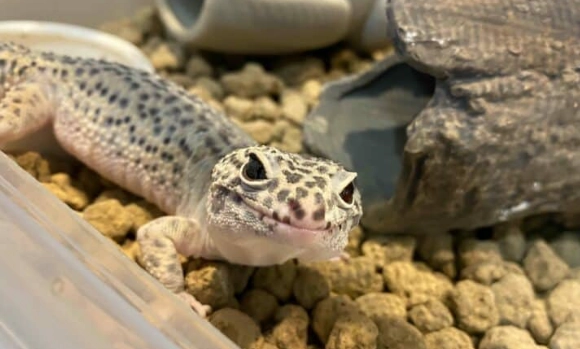
There is also a point rarely mentioned: stress management for Leopard Geckos. An environment that is too noisy or frequent disturbances can lead to chronic stress, thereby shortening their lifespan. I have a friend who placed the enclosure next to the television; his gecko only lived for 7 years, and a licensed veterinarian said it might be related to the long-term high-stress environment.
How to Make Your Leopard Gecko Live Past 20?
This is not a myth, but it requires you to be as attentive as you would be when caring for a family member. I have summarized this into 3 steps.
Setting Up the Ideal Husbandry Environment
Do not settle for simple plastic boxes. A professional enclosure should include:
- Substrate: Use paper towels or specialized reptile mats; avoid using pine shavings (which are toxic).
- Heating Mat and Thermostat: These are essential investments. Temperature fluctuations are the enemy of health.
- Hides: Provide at least 2, with 1 placed at the warm end and 1 at the cool end, to give them a sufficient sense of security.
I previously used heat lamps to save money, but the temperature was unstable. Xiao Ban suffered from a lack of appetite for a while; he only improved after I switched to a thermostatically controlled heating mat.
Feeding Strategies and Supplements
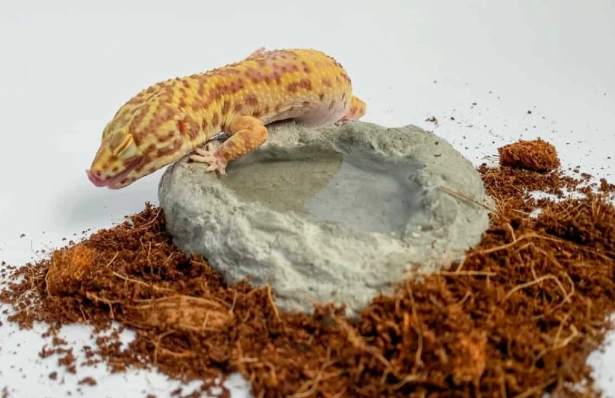
Feed hatchlings once a day, and adults every 2 to 3 days. Food should be dusted with calcium powder, and a vitamin supplement should be added once a week. Don’t forget to provide a shallow water dish and keep the drinking water clean.
A common mistake is overfeeding. Leopard Geckos are prone to obesity, and obesity can lead to fatty liver disease (a disease where fat excessively accumulates in the liver), which is a fatal “lifespan killer.” I would weigh Xiao Ban every week to record his data changes.
Observing Behavior and Early Detection of Disease
Although Leopard Geckos cannot speak, their behavior gives off signals. If it suddenly refuses food, shows decreased activity, or has abnormal stool, these could all be signs of illness. While raising Xiao Ban, there was one time he did not eat for 2 consecutive days. I immediately took him to see a licensed veterinarian and discovered it was mild enteritis. Because it was treated promptly, he recovered quickly.
It is recommended to establish a health log to record information such as diet, shedding, and weight, which can help you detect latent problems early.
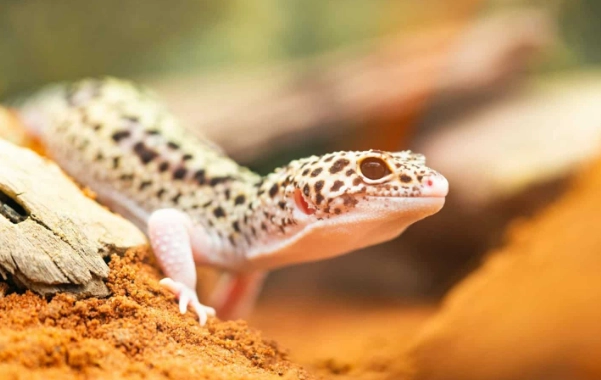
Mistakes I Have Made: Common Pitfalls for Beginners
I would like to share some lessons from my failures, hoping to help you avoid the same detours.
When I first started keeping them, I thought Leopard Geckos were very resilient, so I used a small fish tank as an enclosure. As a result, the ventilation was poor, leading to excessively high humidity, and Xiao Ban contracted a skin infection. The treatment took 2 months. The licensed veterinarian said that if it had been any later, it might have shortened his lifespan. From then on, I realized the importance of investing in high-quality equipment.
Another mistake was having too limited a diet. At that time, I only fed crickets. After a few months, Xiao Ban developed symptoms of calcium deficiency, and his legs became slightly deformed. Although he regained his health after remedial measures, the licensed veterinarian mentioned that this might have already caused permanent effects on his bones.
Therefore, never be “penny wise and pound foolish.” Enclosures, heating equipment, and dietary diversity are all necessary investments.
FAQ: Questions You Most Want to Know About Leopard Gecko Lifespan
High-humidity environments are indeed a challenge. The key is to control the humidity inside the enclosure between 30-40%; dehumidifiers or air conditioning can be used as aids. I live in Taipei, where summer humidity often exceeds 80%, so I place a small dehumidifier in the room and put desiccant inside the enclosure, which works very well. Additionally, regularly check the skin and shedding status to prevent fungal infections.
Short-term refusal of food (such as during shedding) is normal, but if it exceeds 1 week, it warrants attention. This could be due to temperatures being too low, excessive stress, or illness. I once encountered Xiao Ban refusing food due to an environmental change; I helped him recover slowly by adjusting the temperature and providing mealworms, which he loves. Long-term malnutrition will weaken the immune system and indirectly shorten lifespan.
Signs of aging include decreased activity, smaller appetite, and slower shedding. At this stage, husbandry needs to be adjusted: lower the height of furnishings in the enclosure to prevent falls, provide soft foods like gut-loaded crickets without exoskeletons, and increase the frequency of health checkups. After Xiao Ban turned 15 years old, I took him for a blood test every half a year to ensure normal kidney function; this is a very critical yet often overlooked point in senior care.
In conclusion, Leopard Geckos are indeed long-lived, but this depends entirely on the level of care you provide. From the environment to the diet, every detail is crucial. Do not just ask how long it can live, but ask yourself how much you are willing to give. Keeping a pet is a lifelong responsibility, isn’t it?
Original article by 搬运工, if reproduced, please cite the source: https://www.kaipet.com/en/leopard-gecko-lifespan-master-5-details-live-20-years-care-guide