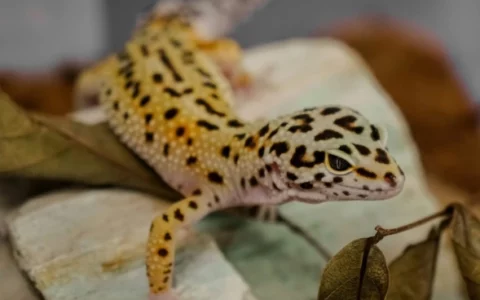
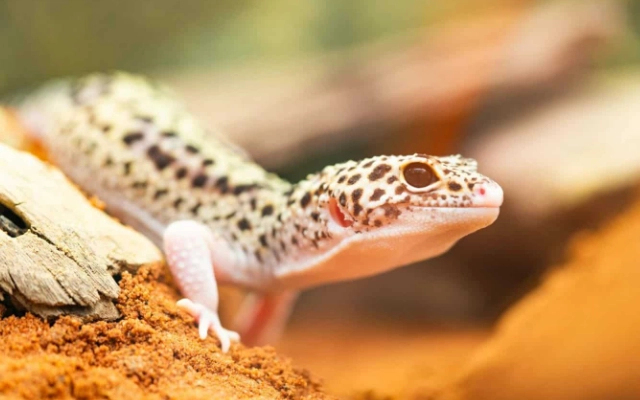
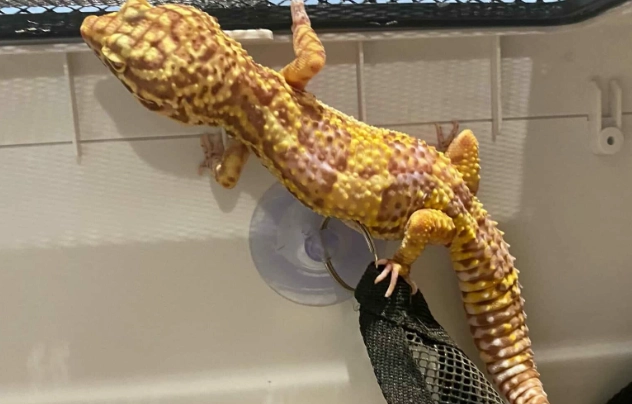
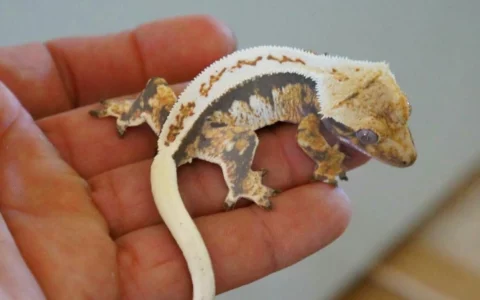
I still remember the first time my leopard gecko, “Little Orange,” ignored mealworms for three consecutive days. I felt like an “ant on a hot pan.” I searched everywhere online, oscillating between worrying she was sick and doubting my own keeping skills; anxiety just kept piling up. Later, I realized that a gecko refusing food is like a “child throwing a tantrum”—there is always a reason behind it, and often the problem isn’t with them, but in the details of our husbandry.
In this article, I want to use my years of keeping experience and exchanges with other hobbyists to help you “systematically deconstruct” the various possibilities for why a leopard gecko isn’t eating. We won’t dwell on empty theories; we’ll dive straight into what you want to know most: the reasons, the specific actions to take, and when it’s truly time to be alarmed.
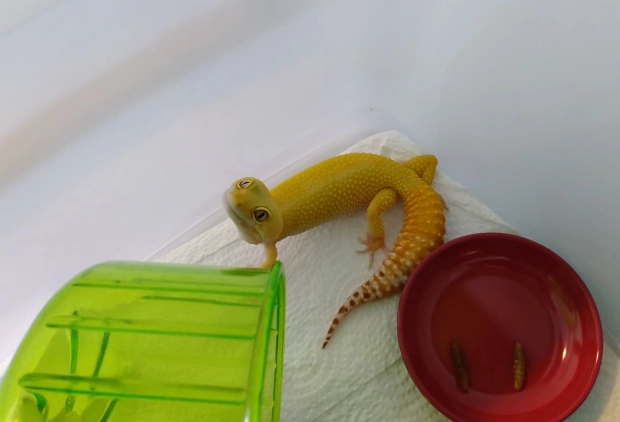
First, let me “set your mind at ease”: for a healthy adult leopard gecko, a short period (1 to 2 weeks) of refusing food is sometimes just normal physiological regulation. It’s not uncommon; it’s just biological adjustment and doesn’t necessarily mean they are sick. However, this doesn’t mean you should ignore it. What we need to do is act like a detective and find the clues.
Why Isn’t My Leopard Gecko Eating? An Analysis of 8 Common Reasons
I have divided the reasons into three main categories: Environment & Stress, Food & Feeding Issues, and Health Conditions. You can use the table below for a quick comparison; I will follow up with details that beginners often overlook.
| Category of Possible Reasons | Specific Signs & Checkpoints | Urgency Level |
|---|---|---|
| Environment & Stress | Temperature too low/high, incorrect humidity, too noisy, acclimation period for new arrivals, insufficient hiding spots | Medium (Requires prompt adjustment) |
| Food & Feeding Issues | Boredom from a monotonous diet, prey too large, feeding frequency too high, dislike of calcium/vitamin powder taste | Low to Medium |
| Health Conditions | Indigestion or constipation, parasitic infection, shedding issues, stomatitis (mouth rot), early-stage Metabolic Bone Disease | Medium to High (Requires close observation or vet visit) |
| Special Physiological Phases | Breeding season (both sexes), gravid (pregnant) females, just before shedding | Low (Usually resolves on its own) |
If the Environment Isn’t Right, Nothing Else Matters
Many people think that a warm room is enough, but leopard geckos are ectotherms and require a “temperature gradient” (a distribution of different temperatures). The hot zone (above the heat mat or under the lamp) should be maintained at 31-33°C, while the other end of the tank (the cool zone) should be around 24-26°C. They need to regulate their body temperature by moving between these areas. If the entire tank is chilly, their digestive enzymes simply cannot function, and they naturally lose their appetite.
I once made the mistake of placing the heat mat directly in the center of the tank, thinking it would be more balanced. The result was a lack of a clear hot and cold zone; “Little Orange” ate very little during that time and seemed sluggish. After I moved the heat mat to the bottom of one side, the problem improved.
Check your environment: Use a reliable thermometer to measure the “surface” temperature, not the air temperature. Nighttime temperatures can be allowed to drop slightly but should ideally not fall below 20°C. Additionally, ensure there is a hide where the gecko can feel completely concealed and secure (at least one in the hot zone and one in the cold zone).
Food Issues Happen More Often Than You Think
You’d get tired of eating “fried chicken” every day, wouldn’t you? Geckos are the same. Feeding only mealworms or crickets for a long time can lead to boredom. Another common but rarely mentioned point is the “frequency and dosage of calcium powder.” Some geckos strongly dislike the taste of excessive or clumped calcium powder on their prey and would rather starve than eat it.
Try feeding crickets with calcium powder separately from those without, or switch to a different brand of calcium. The size of the prey is also crucial; the width of the food should not exceed half the width of the gecko’s head.
Silent Signals of Health Red Flags
Refusing food is the most common early symptom of illness. If it is accompanied by any of the following, you should be on high alert: significant weight loss (tracking weight weekly with a kitchen scale is very important), lethargy and frequently closed eyes, abnormal droppings (diarrhea, strange colors, or parasites), or abnormal abdominal swelling.
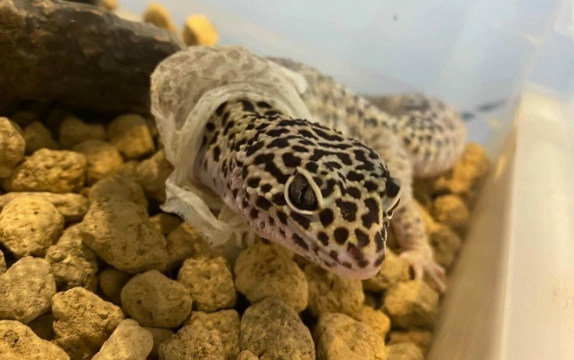
Special Attention: If there is dried discharge around the mouth, open-mouth breathing, or if the jaw looks swollen, it could be stomatitis (mouth rot) or a respiratory infection, requiring immediate veterinary care.
How to Get a Leopard Gecko Eating Again? Progressive Guidance Steps
Once you’ve identified the potential cause, let’s solve it step by step. Don’t expect immediate results; patience is key.
Optimize Environmental Parameters
Ensure the temperature gradient is correct. Check if heating equipment is malfunctioning. Provide ample hiding space and reduce environmental disturbances (e.g., move the tank away from the TV).
Review and Adjust the Diet
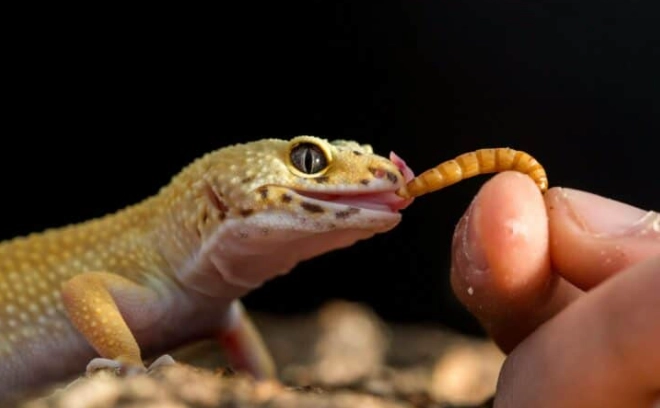
Try changing the type of prey. Rotate between crickets, mealworms, and Dubia roaches (where legal). Try using tweezers to hold the prey and wiggle it gently in front of the gecko to mimic live movement and trigger its predatory instinct.
Adjust Feeding Strategy
If you were feeding every day, try switching to every other day, or stop feeding for 3 days to allow hunger to build. Attempt feeding in the evening or at night when the gecko is more active.
Try the “Ultimate Enticement” Method
For juveniles or particularly weak individuals, you can try cutting open the head of a mealworm or cricket to let the scent of the bodily fluids escape, then gently dab it on the gecko’s lips. This can sometimes induce a licking response. While a bit “graphic,” this method is very effective in critical moments.
Supplement Electrolytes and Nutrition
For individuals that have refused food for a long time but show no obvious illness, consider using specialized reptile electrolyte supplements (used to replenish electrolytes and hydration). Mix with warm water and use a small dropper or cotton swab to gently dab it on the corner of the mouth for the gecko to lick up. This provides hydration and basic energy to prevent dehydration.
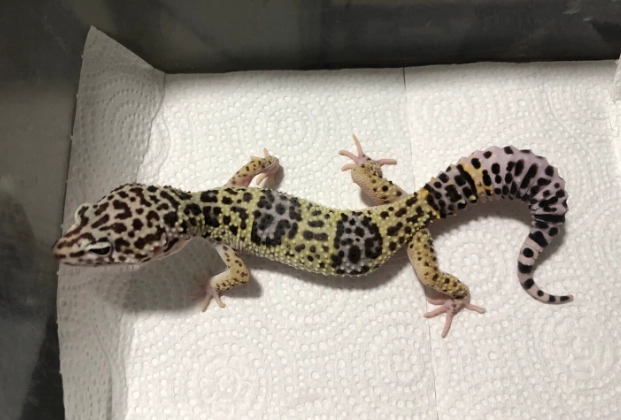
Personal Insight: I found that “Little Orange” responds better to crickets that make slight sounds than to quiet mealworms. Sometimes it’s not that they won’t eat, but that they haven’t noticed the “food” is there. Turn off the main lights at night, leave only a small night light on, and use tweezers to tap a cricket on the ground near the hide entrance; the success rate will be much higher.
Hidden Warnings of Gecko Food Refusal: When to See a Vet?
Not all cases of food refusal can be solved at home. Although specialized exotic vet resources are relatively limited, you must seek professional help when necessary. Do not wait if the following situations occur:
- Sharp weight loss: A weight drop of more than 10% in one week, or a juvenile not eating for one week accompanied by weight loss.
- Accompanied by other symptoms: Such as vomiting, diarrhea (feces that are green, red, or very watery), noisy breathing, weakness in limbs or jaw, or skeletal deformation.
- Prolonged refusal to eat: A healthy adult refusing food for more than a month after environmental and food factors have been ruled out.
- Suspected choking or impaction: Mouth constantly hanging open, drooling, a hard lump in the abdomen, and no bowel movements for a long time.
Before the visit, it’s best to collect a fresh stool sample (within 24 hours) to facilitate a parasite check by the vet. According to data from relevant agricultural departments, parasitic infections in reptiles require professional diagnosis and medication; never attempt to medicate them yourself.
Common Practical Questions from Owners
It is very normal; this is known as “acclimation-related food refusal.” Give it at least one week of completely undisturbed time, only changing water and cleaning waste. Place food in a bowl and replace it every evening. Excessive concern or constantly taking it out to observe will only increase its stress response (a non-specific reaction of an organism to internal and external stimuli), making the acclimation period even longer.
If the crickets are well gut-loaded (fed vegetables and specialized feed) and regularly dusted with calcium and vitamins, the nutrition is sufficient. The main risk of a single-prey diet is that the gecko may suddenly develop an aversion to it one day. It is recommended to try a variety of food sources; Dubia roaches have a high protein ratio and are a good choice. The focus should be on the nutritional value of the prey itself, not just the number of species.
Absolutely not. During shedding, their vision worsens and they feel uncomfortable; a drop in appetite is a natural phenomenon. Force-feeding at this time can easily lead to severe stress and may even result in the gecko being bitten by the prey. Ensure environmental humidity is sufficient (provide a moist hide) to let it shed smoothly. Usually, the appetite returns 1 to 2 days after shedding is complete. You only need to ensure there is plenty of drinking water.
This is a form of “supportive care” that vets might use when treating severely ill patients (providing nutritional support when the animal cannot eat normally); it is not recommended for routine use by owners. These foods lack specific nutrients required by reptiles, such as chitin (a biopolymer that makes up insect exoskeletons), and long-term consumption can lead to digestive issues. It should only serve as a short-term emergency measure to buy time before seeing a vet. The correct approach is to find and solve the root cause of the food refusal rather than replacing it with unsuitable food.
Develop a habit of keeping good husbandry records. Weigh them at a fixed time every week, record the types and quantities of food fed, observe stool condition, and note any shedding or abnormal behavior. This allows you to detect subtle changes early on. A stable and correct environment (temperature, humidity, hides) is fundamental. Periodically (every 0.5 to 1 year, especially for new arrivals or those fed live prey) have a vet perform a fecal exam to rule out parasite issues. Prevention is always easier than treatment.
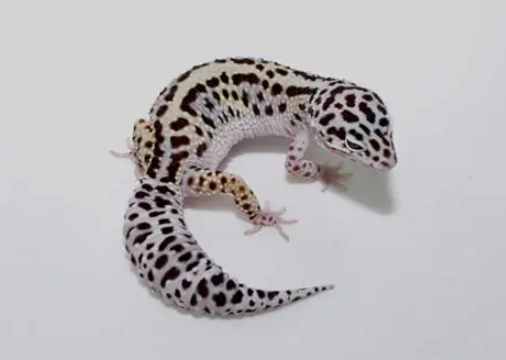
The joy of keeping leopard geckos lies in observing them and establishing a quiet understanding. Food refusal is an “alarm bell,” but it is not the end. Most of the time, through careful observation and adjustment, a solution can be found. I hope this article allows you to feel a bit more composed and a bit less anxious the next time you face an empty food bowl.
Original article by 搬运工, if reproduced, please cite the source: https://www.kaipet.com/en/leopard-gecko-eating-8-reasons-troubleshoot-5-step-feeding-stimulation-method