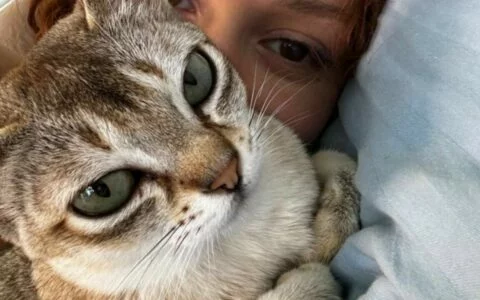
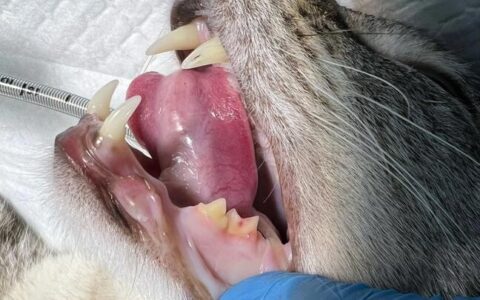
Cats love to be scratched under the chin when they are being affectionate, and cat parents also enjoy this moment of petting their cats. However, it’s quite troubling to see the adorable fur babies with dirty chins that can’t be cleaned no matter how hard you try. Is the black color on the cat’s chin due to dirt or fungus? How can we effectively solve this issue?
Main Causes of Cat Chin Acne
The most common reason for a cat’s black chin is that pet owners do not regularly clean their feeding bowls, which can easily retain the grease from the cat food. When grease and bacteria coexist for a long time, and the cat comes into contact with the bacteria in the bowl while eating, the bacteria can adhere to the fur and then to the skin on the chin, which can easily lead to folliculitis, thus causing the chin to turn black.
A cat’s sebaceous glands are connected to the hair follicles and are mainly distributed on the back, around the eyes, on the chin, lips, tail, and around the scrotum. The primary function of the sebaceous glands is to help secrete oils for lubricating the skin, preventing dryness, and protecting the skin.
Ages Prone to Cat Chin Acne
Cat chin acne can occur at any age in cats. If you notice your cat frequently rubbing its chin on you or furniture recently, you may want to check the cat’s chin to see if it has developed acne.
Three Effective Ways to Deal with Cat Chin Acne
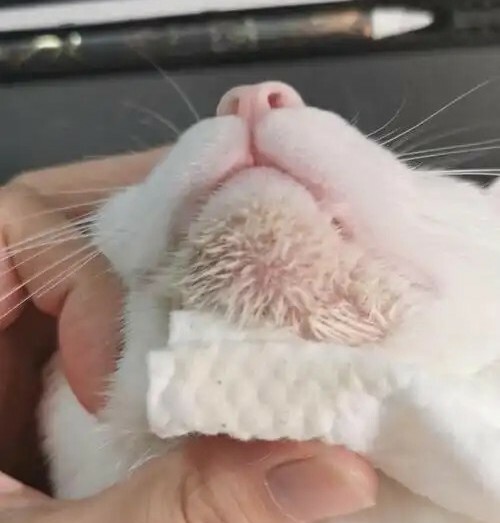
Folliculitis is not a serious disease, and the treatment method is quite simple. It involves trimming the fur at the affected area of the cat and then cleaning it with simple cleaning products.
The cleaning agents you can choose from include:
- Soap: You can use laundry soap to wash your cat, but only if the skin is not broken.
- Cat-specific cleaning agents: Use a clean cotton swab to apply cat-specific cleaning agents to clean the black spots on the chin.
- Tea water: Soak a clean gauze in tea water, wring out the excess, and then wipe the cat’s chin.
If there is inflammation, such as swelling, nodules, or rashes on the chin, the possible cause could be bacterial infection, and further examination is needed to determine the treatment method.
5 Effective Methods to Prevent Fungal Infections and Cat Chin Acne
Here are some methods that can help prevent SCC:
Replace with Cat-Specific Bowls
Choose ceramic, glass, or metal water bowls and clean them daily.
Select or Replace Suitable Cat Food
Avoid overly greasy food. If acne and black chins occur, try switching to low-fat cat food.
Maintain a Clean and Tidy Home Environment
Keep the living environment well-ventilated, with constant temperature and humidity.
Daily Care and Routine
Help your cat comb its fur weekly and clean areas with more oil, such as the chin and tail. Before cleaning, apply a hot compress for a few minutes to expand the pores, then gently massage with mild cleaning products. For cats prone to acne, wipe them clean after they finish their food to remove residual grease from the chin, reducing the occurrence of acne.
Add Health Foods to the Diet that Help Cats Maintain Natural Resistance
Ingredients like spirulina and mannans from yeast are effective in helping maintain the natural resistance of fur babies and prevent troubles.
Conclusion
Actually, cat chin acne is a common issue among cats. In daily life, pay more attention to the hygiene of your cat, and adjust cleaning and diet under normal circumstances to stay away from the troubles of cat chin acne. If you notice any skin conditions such as redness, swelling, or hair loss on the chin, seek medical attention immediately and have a professional veterinarian assess and treat the issue.
Original article by KPTer, if reproduced, please cite the source: https://www.kaipet.com/en/comprehensive-guide-cat-chin-acne-cleaning-treatment-prevention-tips