

Turtles aren’t as easy to raise as they might seem on the surface; in fact, keeping a turtle requires a great deal of responsibility and patience. The slightest bit of carelessness can put its life in danger. When a turtle gets sick, it will always send us signals. If you notice your turtle at home showing these 7 signs, you must pay attention, even if it’s just one of them.
Sudden Loss of Appetite
Previously, when the turtle saw food, it would dash towards you, frantically chasing it. After finishing, it would even actively beg you for more. Now, even if you place food right by its mouth, the turtle doesn’t move at all. It might even push the food aside without realizing it. This indicates a health problem and requires attention.

Lethargy and Immobility
It stays huddled in a corner with its eyes closed all day. When touched, it only slowly extends its neck, unlike its usual alert and evasive behavior. Its vitality has completely disappeared.

Abnormal Breathing
When breathing, it stretches its neck out long, accompanied by a “wheezing” sound. Or its mouth is constantly slightly open, and it occasionally blows bubbles. This could be a respiratory tract infection.

Limb Weakness
Normally, when you pick up a turtle, it thrashes about energetically. If you find that when you pick it up, its limbs are limp, and it doesn’t actively retract or kick its legs, and after being put down, it cannot crawl normally and can only sit slumped in place.

Skin Decay
If you find white moldy patches, ulcerated wounds, or even oozing pus and blood on the turtle’s limbs, neck, or carapace, this can easily be caused by poor water quality or a weakened immune system.
Eye Problems
If the turtle’s eyes are red and swollen, sealed shut by a white discharge, or it keeps them half-closed with no reaction even in a bright place. If your turtle at home shows these symptoms, you must take it seriously and take it to a vet promptly.
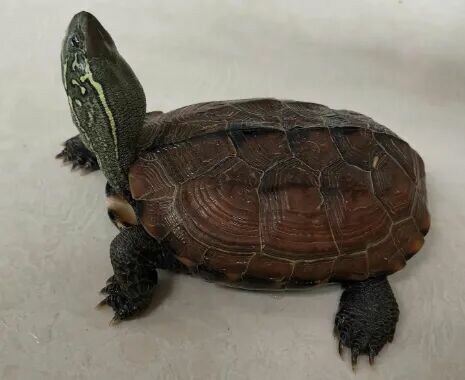
Abnormal Defecation
If you find that your turtle’s droppings are white and flocculent, black and watery, or if it hasn’t defecated for a long time, accompanied by a red and swollen anus, it indicates that there is a problem with its gastrointestinal tract.
Conclusion
If you notice your turtle at home showing the 7 signs mentioned above, you need to pay attention. Even if it’s just one of them, we need to notice and address it promptly. Otherwise, neglecting it can easily lead to the turtle not surviving.
Original article by 搬运工, if reproduced, please cite the source: https://www.kaipet.com/en/turtle-dying-turtle-keepers-watch-7-sickness-signs-early-detection-early-treatment








Comments(2)
This is a super helpful guide for turtle keepers! What’s your top tip for preventing these common health issues?
@CriticX:Thank you, CriticX! We’re glad you found it helpful. Our top tip for preventing health issues is maintaining consistent, excellent husbandry: pristine water quality, a balanced diet, and daily observation for any subtle changes. Early detection is vital!