

Methylene Blue is a fungicidal medication targeted at fungi and has no therapeutic effect on bacterial infections. Some aquarists attempt to use Methylene Blue to treat bacterial issues caused by fish skin trauma, but the results are often ineffective.
Main Aspects of Fungal Issues
Common fungal diseases include Saprolegniasis, also known as White Spot Disease, and Cloudy Eye Disease. Fungal issues are usually caused by unclean water quality.
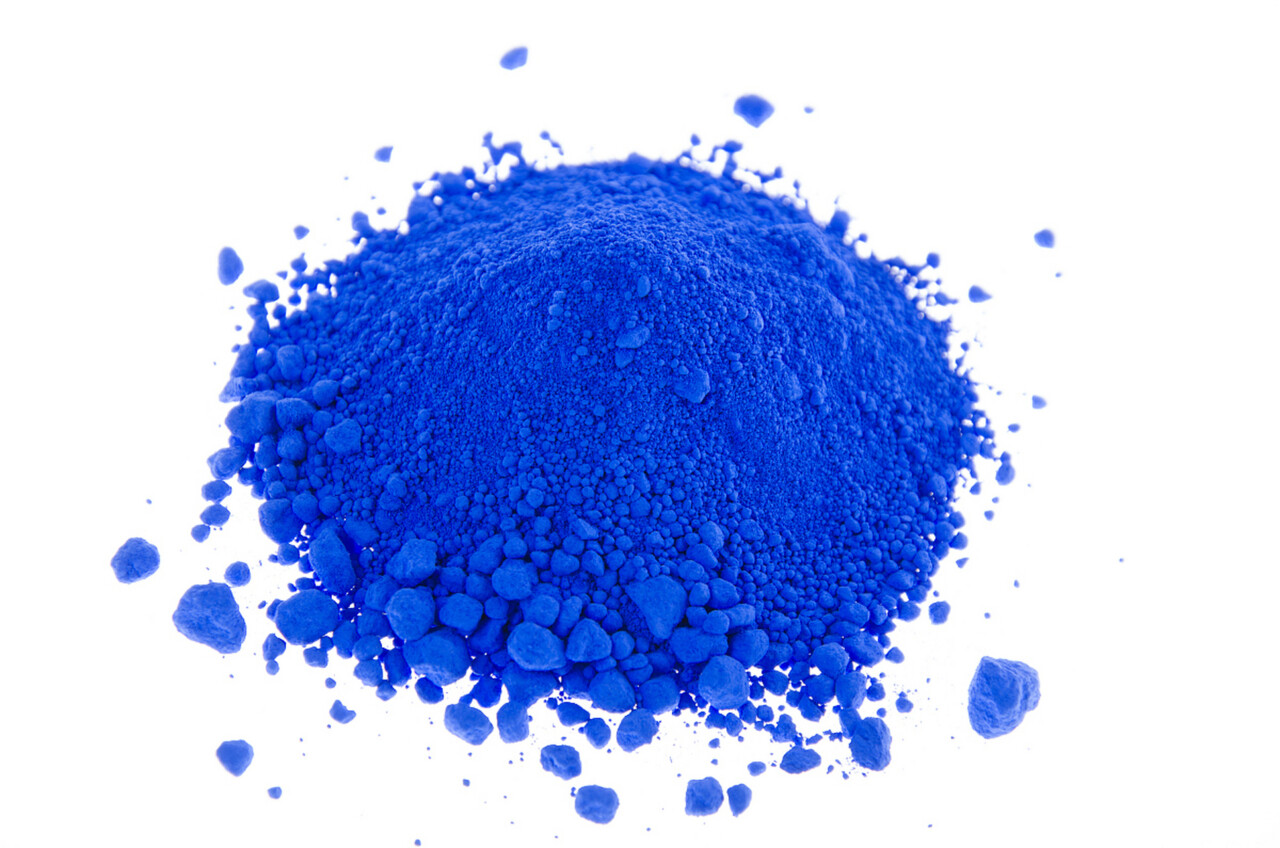
Usage of Methylene Blue
When encountering these situations, one should first change a large amount of water and clean the filter. Then, add six milliliters of Methylene Blue per hundred liters of water for disinfection. After disinfecting for forty-eight hours, change the water again, and repeat this operation two to three times to essentially cure the issue. Additionally, Methylene Blue also has therapeutic effects on Ichthyophthirius multifiliis.
Differences Between Methylene Blue and Methyl Blue
Methylene Blue and Methyl Blue are chemically distinct substances. In terms of physical properties, Methyl Blue appears bright blue, while Methylene Blue is deep blue. Moreover, Methyl Blue is more toxic than Methylene Blue, and Methylene Blue has no therapeutic effect on Ichthyophthirius multifiliis in fish.
Other Recommended Fungal Treatments
Here, I would like to recommend several treatment plans for fungal issues. First is the use of Malachite Green, followed by a combination of Sulfadiazine and Povidone-Iodine. Personally, I believe the choice among these three treatment plans should be based on specific circumstances. If it is for a home aquarium, Methylene Blue is undoubtedly the first choice.
Original article by KPTer, if reproduced, please cite the source: https://www.kaipet.com/en/aquarium-fungal-issues-correct-methylene-blue




Comments(2)
This is really helpful! I’m curious, what are some subtle early signs of fungal issues that aquarists often overlook?
@CriticX:感谢您的提问!很高兴文章对您有所帮助。对于早期真菌迹象,除了保持水质清洁外,定期观察鱼体表是否有轻微的白色附着物或不寻常的行为变化(如食欲下降)也很重要。希望这些能帮到您!