

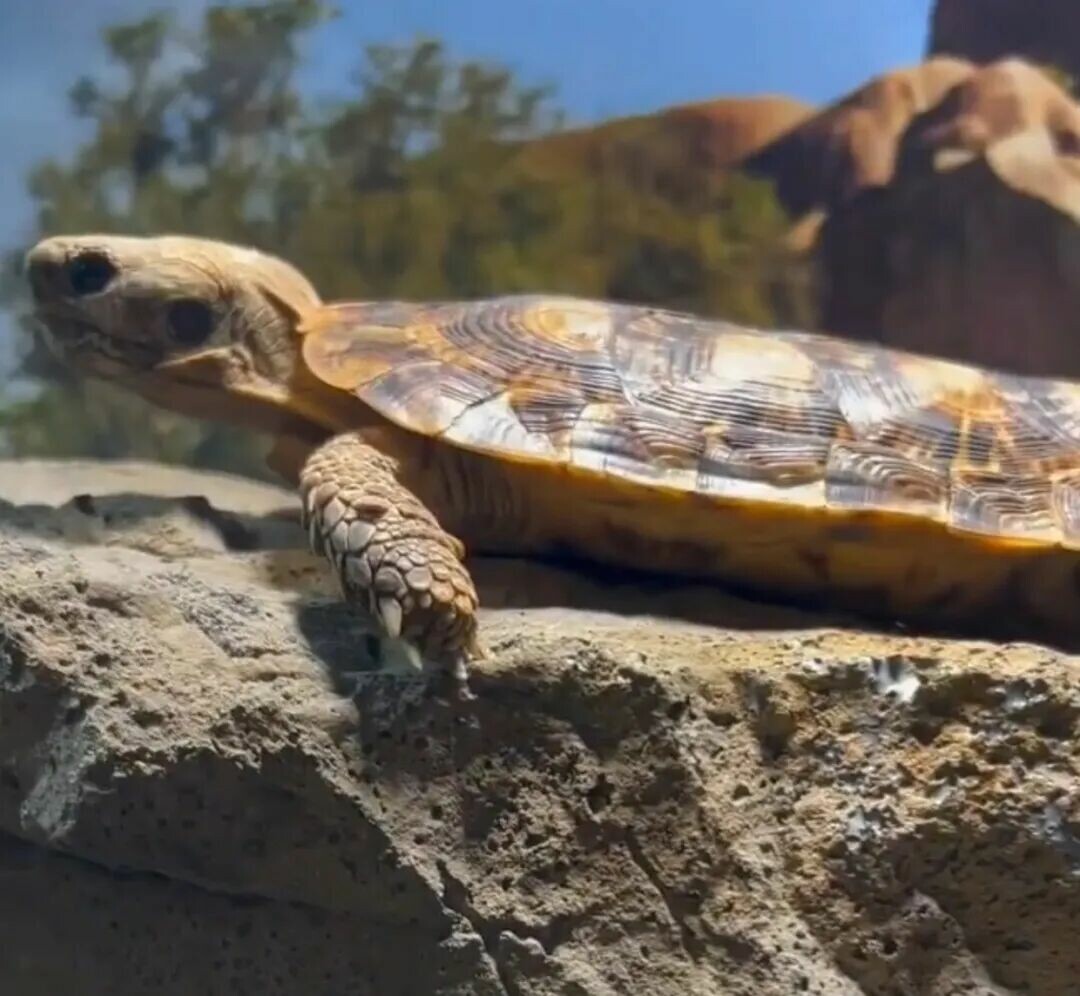
Have you ever seen a special tortoise, a “flattened” one? The tortoises we usually see generally have high, hard shells, especially tortoises. Their high, rigid shells protect their bodies, allowing them to quickly retract inside to protect themselves when a predator approaches. Today, I’ll introduce you to a special kind of tortoise—the Pancake Tortoise.
The Pancake Tortoise’s Unique Appearance and Survival Strategy
A Flat Shape Like a “Biscuit”
Its shape is as flat as a “biscuit.” The Pancake Tortoise lives in eastern Africa, in Tanzania and Kenya.
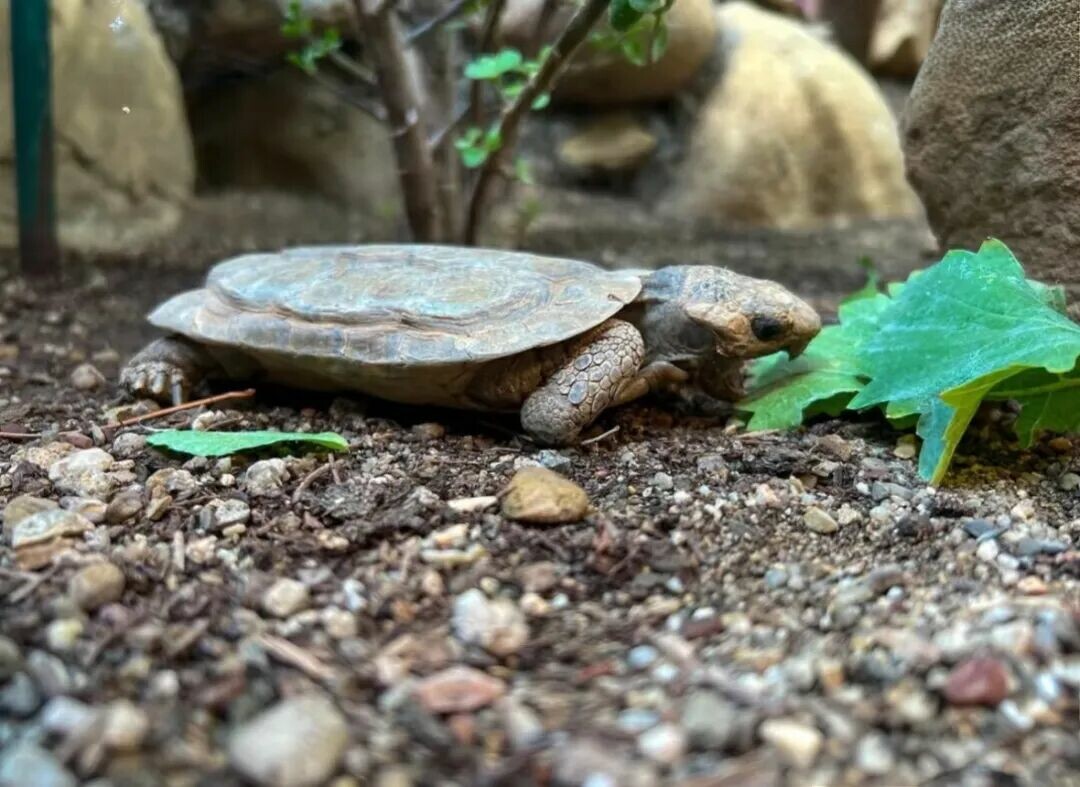
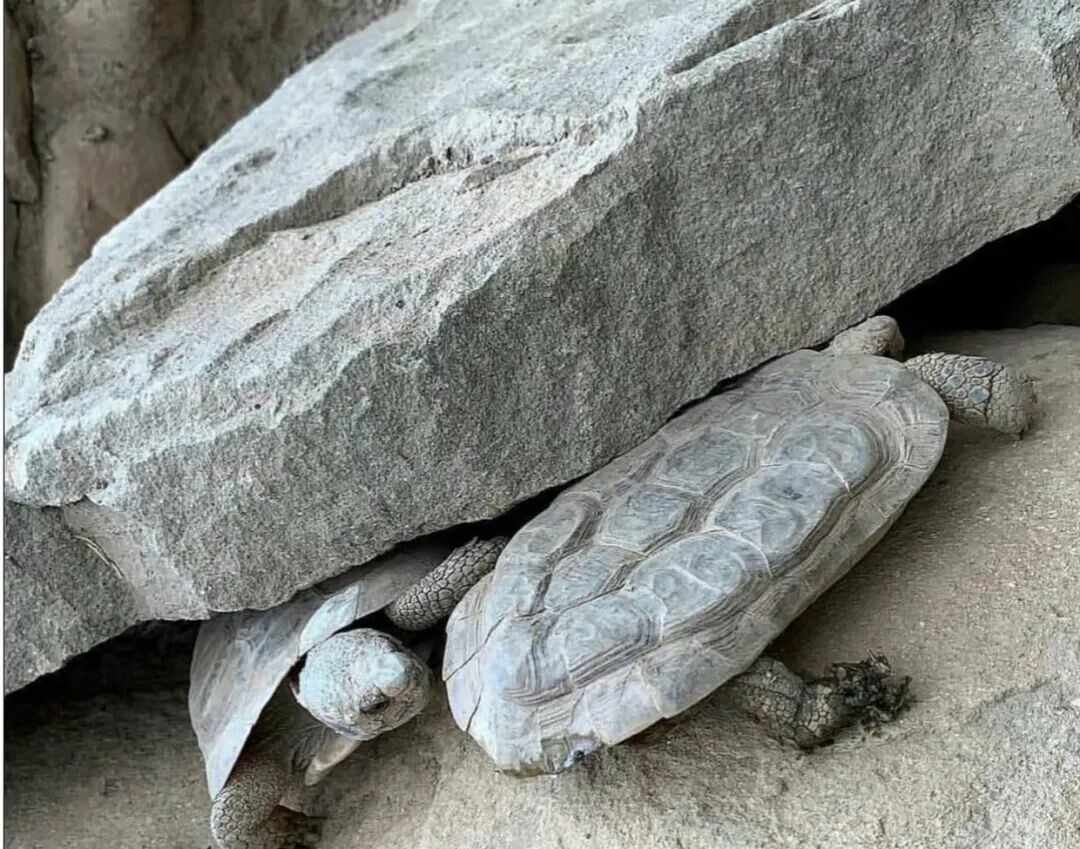
That area has many dry rocks and semi-arid grasslands. When in danger, they can hide in rock crevices, using their flat bodies to wedge themselves in tightly, making it difficult for natural enemies to capture them. The Pancake Tortoise is not large; among tortoises, it can be considered a “tiny tot.” The carapace length of an adult is about 10-15 centimeters.
A Soft and Flexible Shell
The carapace is flexible. Unlike other tortoises, the Pancake Tortoise’s carapace is not that hard; instead, it’s a bit soft and flexible.
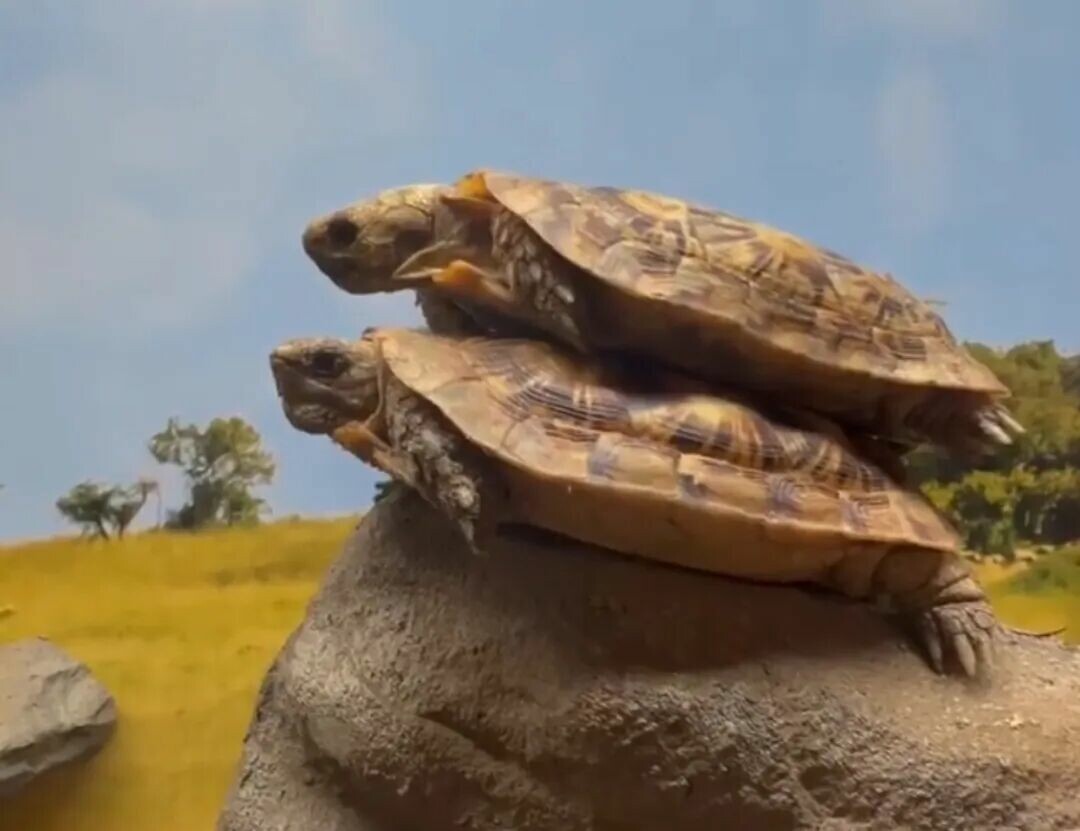
When they encounter danger, they don’t hide inside their shells like other tortoises. Instead, they quickly dash into rock crevices, and the flexible shell allows them to slip in easily. They are adept at running, true “skilled runners.” They can even “inflate” their bodies to wedge themselves in the crevice, thus evading capture by predators.
The Pancake Tortoise’s Diet and Markings
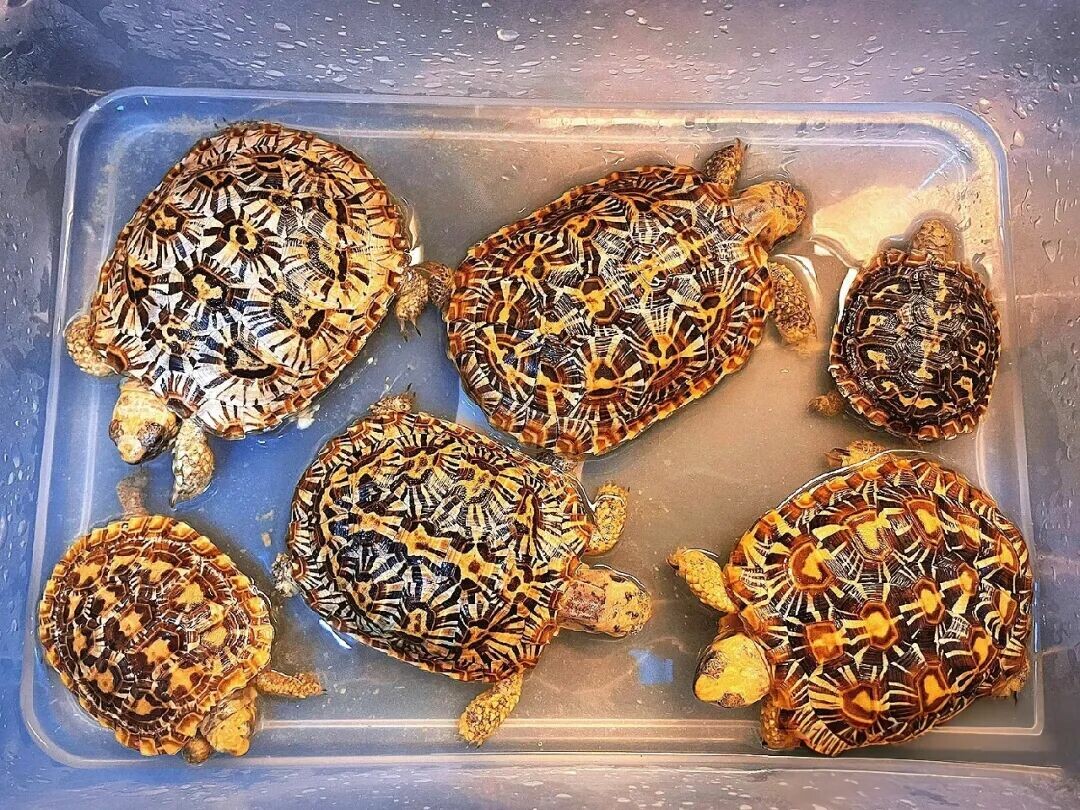
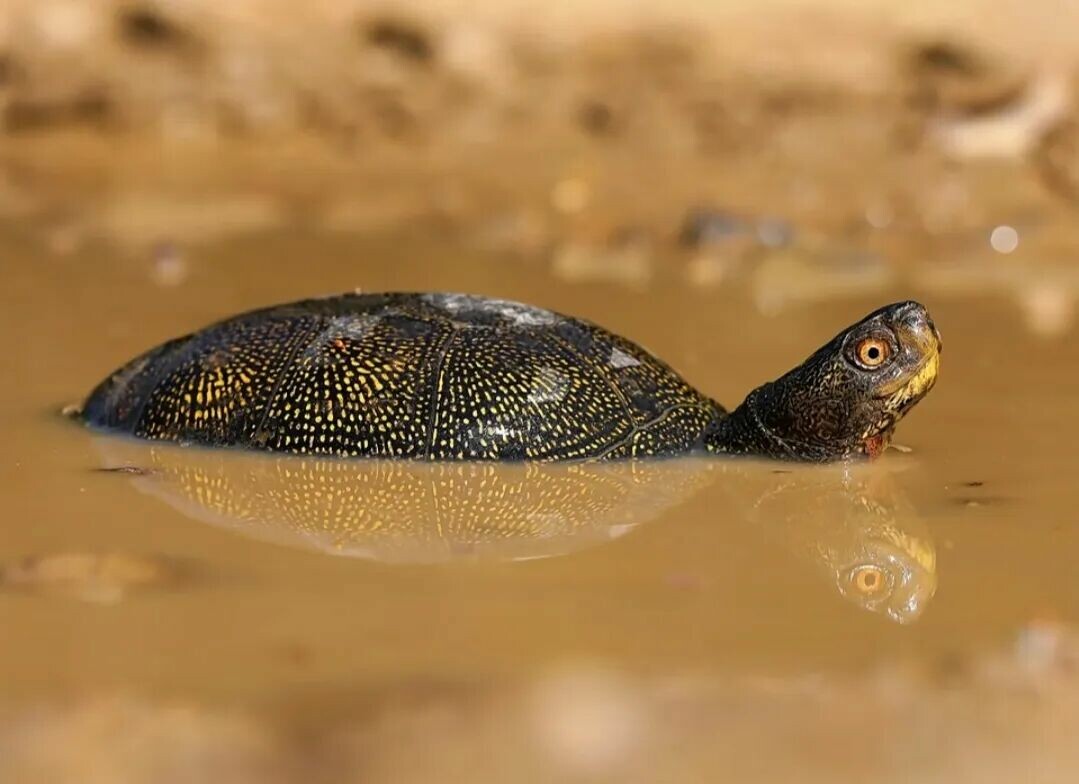
They are herbivores and enjoy eating high-fiber plants such as grasses, dandelions, cacti, wild peas, and plantains, consuming a wide variety of plants. The Pancake Tortoise’s markings are also very distinctive. After it rains, the water wets their carapaces and washes away the dust, revealing their beautiful markings.
Survival Threats and Rarity Value
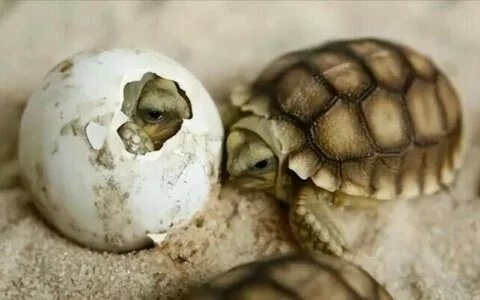
The Pancake Tortoise is now facing significant threats to its survival. Due to the impact of human activities, there are fewer than ten thousand individuals remaining, and their distribution is quite scattered. They only lay 1-2 eggs at a time, and the incubation period is also quite long, sometimes up to 5 months.
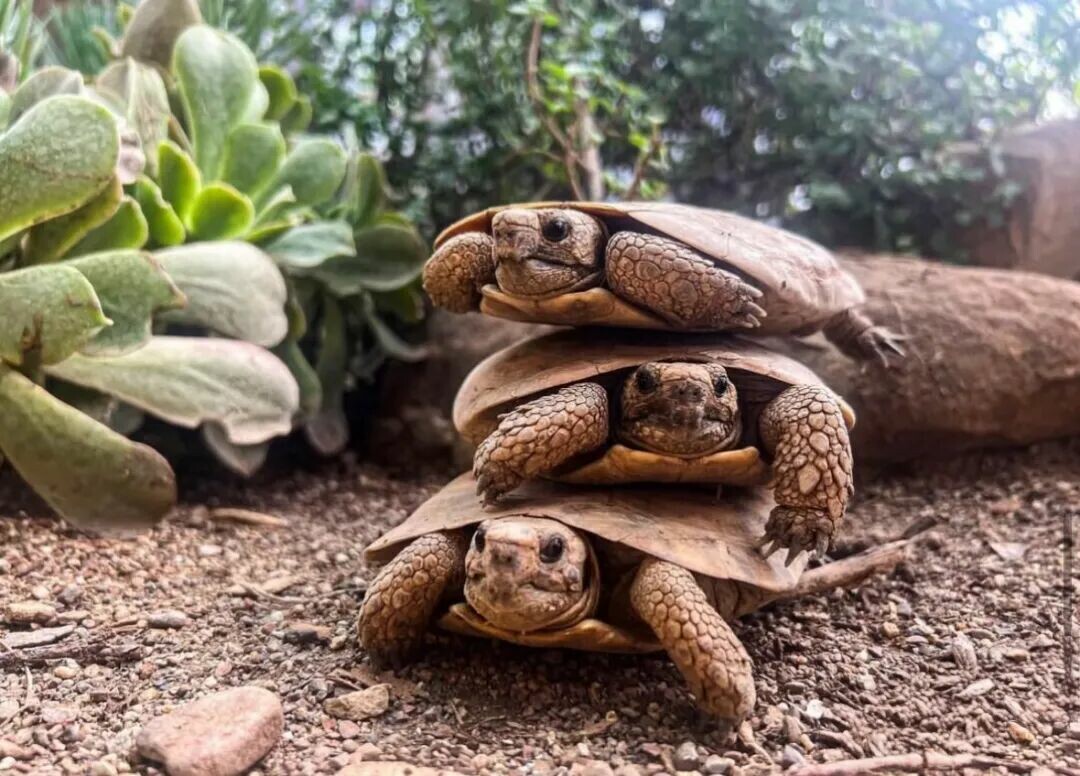
Nature is truly a marvelous creator to have produced such a unique tortoise. I remember these tortoises being sold in markets a long time ago, with a hatchling costing less than a thousand yuan. However, now that it has been upgraded to a protected species, sightings of them have become rare.
Original article by 搬运工, if reproduced, please cite the source: https://www.kaipet.com/en/flattened-pancake-tortoise-softer-regular-tortoise-special


Comments(2)
What an amazing adaptation! I wonder if their soft shell also helps them navigate those rocky crevices so smoothly?
@CriticX:That’s a wonderful insight, CriticX! Their flexible, flattened shell is indeed key to quickly slipping into and wedging themselves within rocky crevices. It’s truly an amazing adaptation for their survival in the wild!