

Inhabiting the waters, land, and oceans of Europe are 13 unique native turtle species. Unlike Asia’s rich resources of softshell turtles (commonly known as “Jiayu”or “Shuiyu”, a type of aquatic reptile under the order Testudines, family Trionychidae), there are no naturally distributed softshell turtles within Europe. This means that Europeans cannot eat “chicken and softshell turtle stew”.

Aquatic Turtles
European Pond Turtle
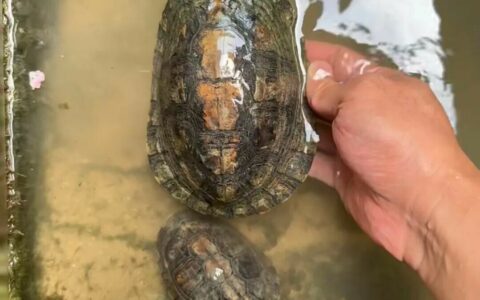
As the most widely distributed aquatic turtle in Europe, the European Pond Turtle possesses 7 subspecies (a taxonomic rank below species in biological classification), including Eiselt’s Pond Turtle, the Italian Pond Turtle, and the Western Turkey Pond Turtle. The European Pond Turtle can be found in most ponds, rivers, and lakes across Europe and belongs to a very cold-hardy turtle species. In their native habitats, even if the water surface freezes, as long as the bottom does not freeze, the European Pond Turtle can safely overwinter. Even at 10 degrees Celsius (50°F), the European Pond Turtle remains active, making it truly the “King of Cold-Water Turtles”.
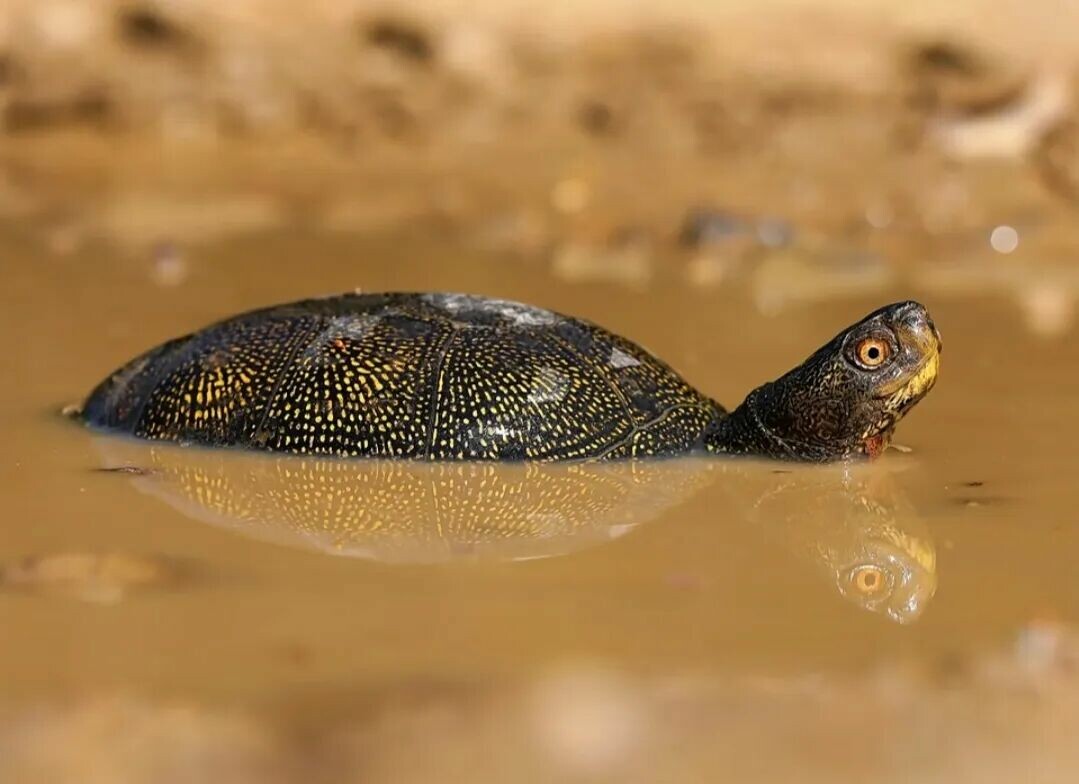
Sicilian Pond Turtle
Distributed only on the island of Sicily, Italy, the Sicilian Pond Turtle has an adult carapace length of only 12-17 cm (approx. 4.7-6.7 inches), making it a “unique spirit” of the local freshwater systems.
The Sicilian Pond Turtle prefers slow-moving waters below an altitude of 1400 meters (approx. 4,593 feet); reservoirs, ponds, and swamps are its home, and it will even venture into coastal shallows. Once mistaken for a subspecies of the European Pond Turtle, the Sicilian Pond Turtle has now been confirmed as an independent species. The Sicilian Pond Turtle has diurnal habits, switching to nocturnal activity only during the hot season.

Caspian Turtle
A medium-sized aquatic freshwater turtle with an overall carapace length of 18-20 cm (approx. 7.1-7.9 inches), its distribution spans Europe and Asia, primarily found in Turkey and Russia within Europe. The Caspian Turtle enjoys basking, hibernates in winter, has strong tolerance to low temperatures, is carnivorous-leaning, and loves fish, shrimp, and insects. The Caspian Turtle has very strong salt tolerance and can withstand salinity, even surviving in brackish water. Traces of Caspian Turtle activity can be found on the shores of the Caspian Sea and in salt pools and saltwater lakes, while it also adapts very well to fresh water.

Greek Stone Turtle
The Greek Stone Turtle (also known as the Balkan Pond Turtle) has a maximum overall carapace length of up to 24.4 cm (approx. 9.6 inches) and is distributed in the warm regions along the eastern Mediterranean coast. The Greek Stone Turtle is active almost year-round, and it is easy to see them sunbathing on the banks or on driftwood by the river. The Greek Stone Turtle has extremely strong adaptability; due to environmental degradation in its native habitat and loss of habitat, the Greek Stone Turtle has had to start adapting to various urban and rural water systems such as ditches, ponds, and farmland. The Greek Stone Turtle is a carnivorous-leaning omnivorous turtle, making it very suitable for keeping as an “entry-level” (referring to a level suitable for beginners to try, with lower maintenance difficulty) aquatic turtle.
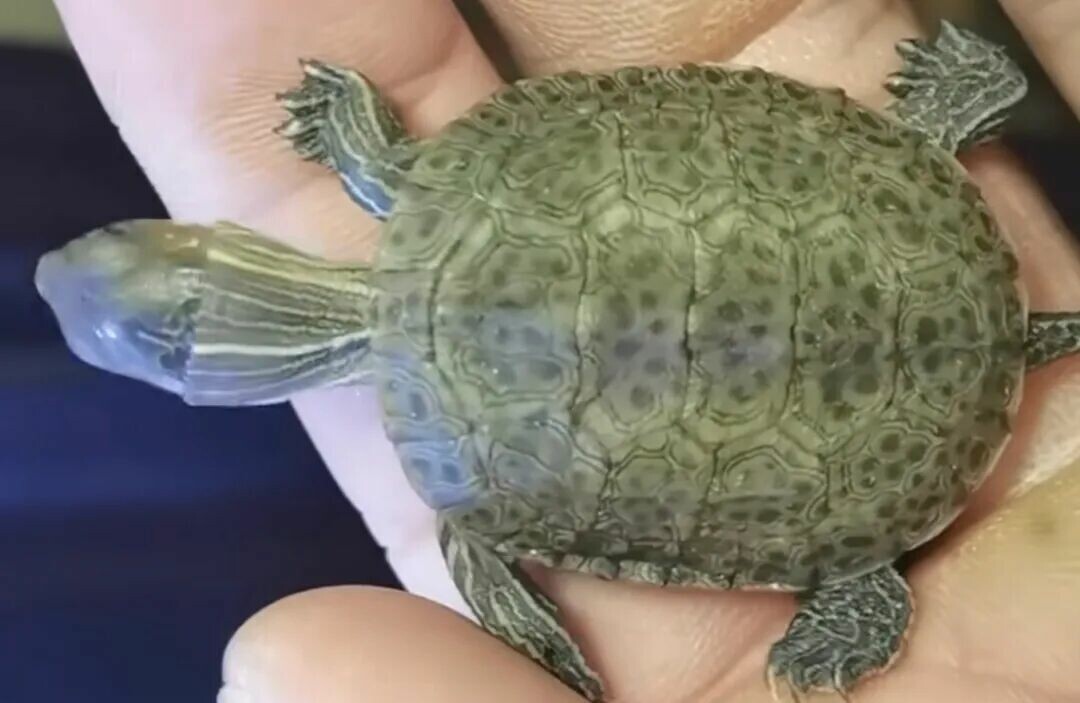
Mediterranean Stone Turtle
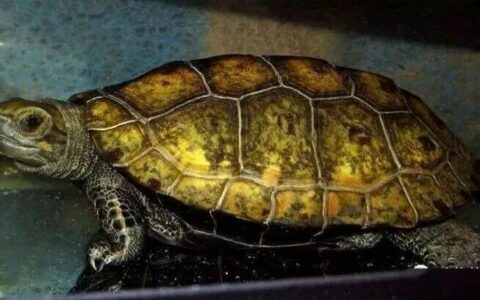
The Mediterranean Stone Turtle is 20-25 cm (approx. 7.9-9.8 inches) overall and has a total of 2 subspecies, among which the nominate subspecies (the subspecies in biological taxonomy that matches the description of the type specimen of the species) is distributed in France, Portugal, and Spain in Europe. Currently, the number of Mediterranean Stone Turtles in China is not large, and very few hobbyists keep them. The Mediterranean Stone Turtle is a species created under the influence of the unique Mediterranean climate. Like the European Pond Turtle and the Caspian Turtle, it has the characteristics of wide distribution and strong adaptability, and is reputed as the European “Yellow Pond Turtle”.
Land Tortoises
Greek Tortoise
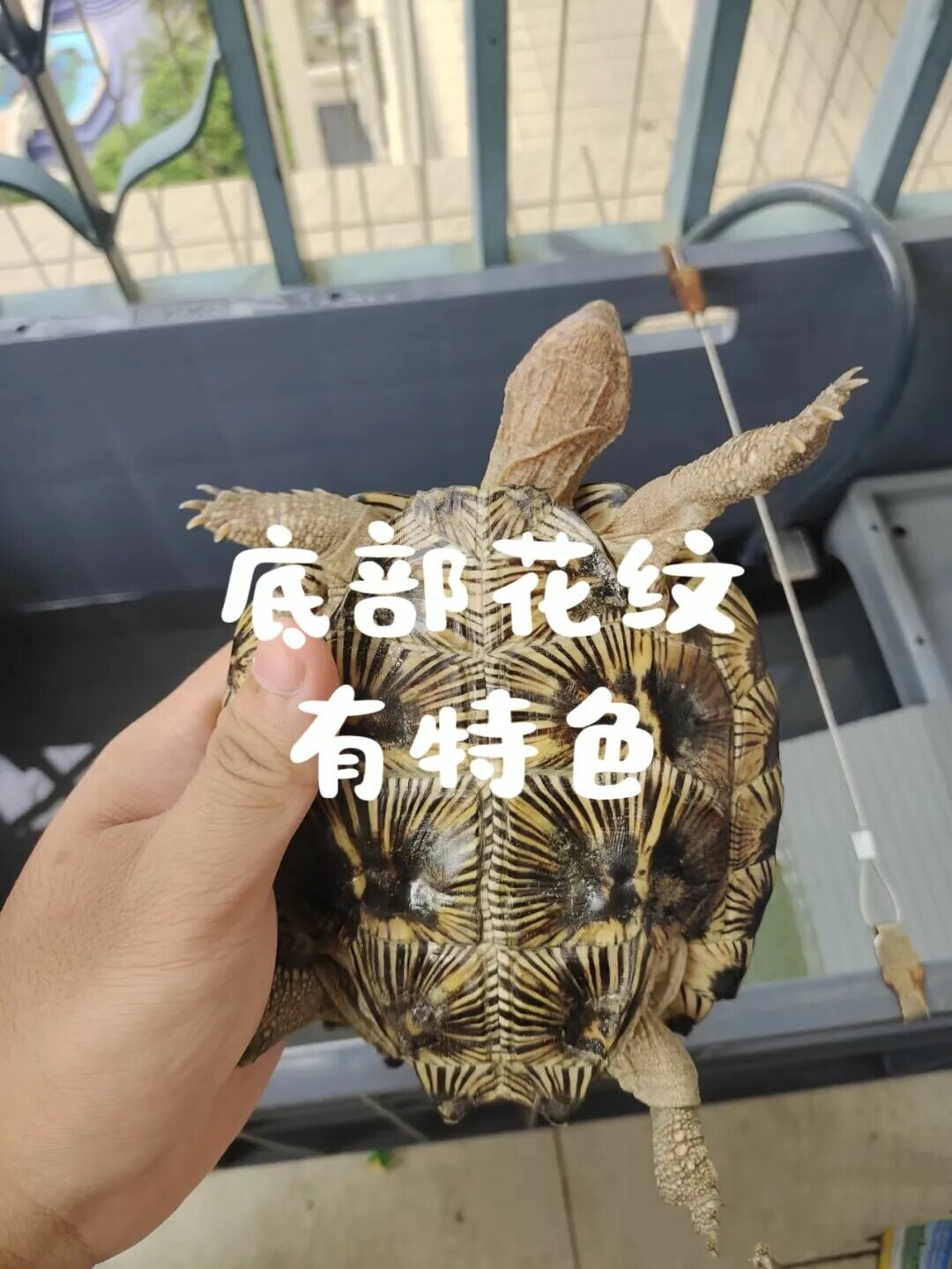
As a medium-sized tortoise, the Greek Tortoise’s carapace can reach up to 38.9 cm (approx. 15.3 inches) in length, making it a common tortoise species in the Mediterranean region. The name of the Greek Tortoise does not originate from the location Greece, but because the pattern of spots on its shell resembles a “Greek mosaic”. The Greek Tortoise, which possesses 10 subspecies, is primarily distributed in Europe in Balkan countries such as Bulgaria, Greece, and Romania, and is a typical representative of the Mediterranean tortoise ecology.

Marginated Tortoise
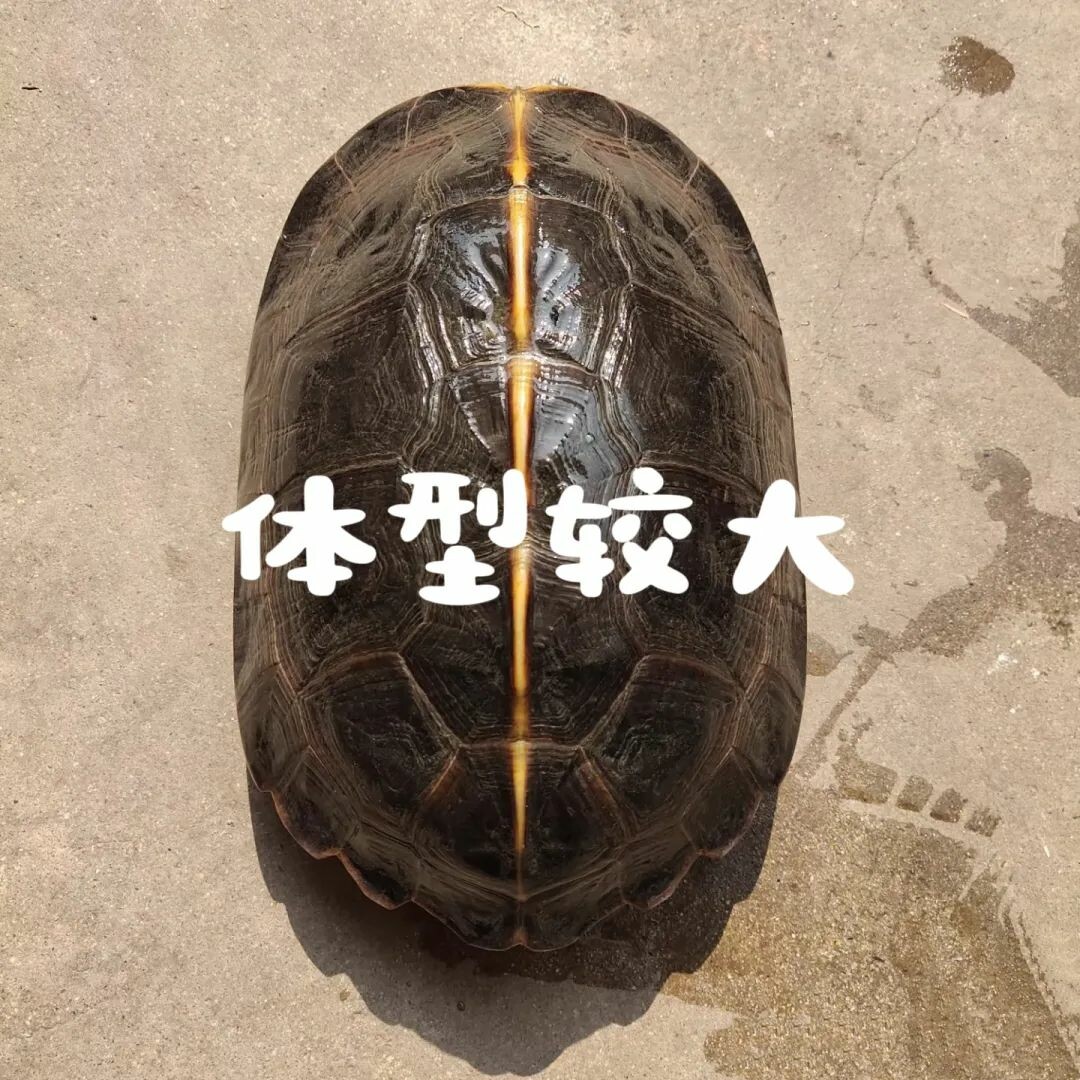
The Marginated Tortoise has an adult carapace that can reach 42 cm (approx. 16.5 inches), making it the largest tortoise in Europe, and was even recorded by Aristotle. The scientific name of the Marginated Tortoise means “bordered”, derived from the “trumpet-like” structure at the rear side of the adult marginal scutes (the outermost ring of scales on a turtle’s carapace).
Distributed only in Greece and Albania, the Marginated Tortoise prefers hilly cultivated land and Mediterranean evergreen vegetation zones (oak trees, shrubby areas); environments rich in food and nesting sites are the favorites of the Marginated Tortoise. The Marginated Tortoise can adapt to highlands at an altitude of 1600 meters (approx. 5,249 feet), and some individuals will migrate to artificial habitats, demonstrating extremely strong survival resilience.
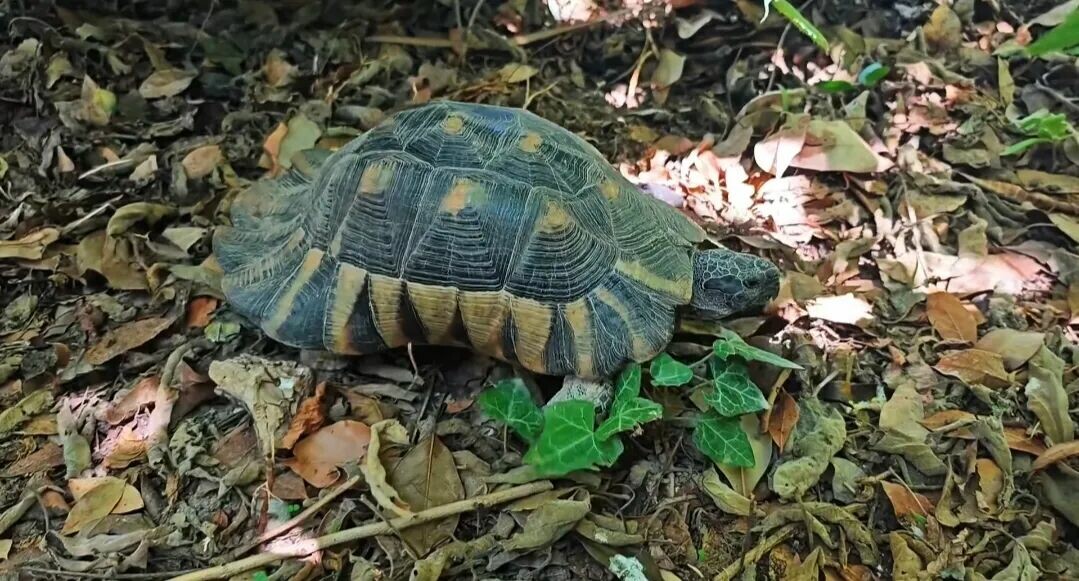
Hermann’s Tortoise
A small to medium-sized tortoise with an overall carapace size of 30-35 cm (approx. 11.8-13.8 inches), it is also the most common “entry-level tortoise” in Europe. Hermann’s Tortoise is lively and active, physically robust and easy to keep, and has strong adaptability to environmental changes; as long as an environment similar to the Mediterranean climate is provided, Hermann’s Tortoise can thrive. Furthermore, Hermann’s Tortoise is quite cold-hardy, and can be said to be one of the very popular reptile categories.

Sea Turtles
The Loggerhead Sea Turtle is visible year-round in Western Europe, Northern Europe, and the Mediterranean. The Green Sea Turtle seasonally visits the waters of Western Europe and the Mediterranean. Kemp’s Ridley Sea Turtle has a stable distribution in Western Europe and the Mediterranean. The Leatherback Sea Turtle is routinely distributed in Western Europe and the Mediterranean, and also appears seasonally in Northern Europe. The Hawksbill Sea Turtle appears seasonally in the waters of Western Europe and the Mediterranean.
Original article by 搬运工, if reproduced, please cite the source: https://www.kaipet.com/en/introduction-native-european-turtle-species-detailed-13-aquatic-terrestrial-marine-turtles-revealing-european-native-animal-diversity





Comments(1)
Fantastic guide! Seeing the ‘entry-level’ mentions for Greek Stone Turtle and Hermann’s Tortoise, what makes them ideal first pets?