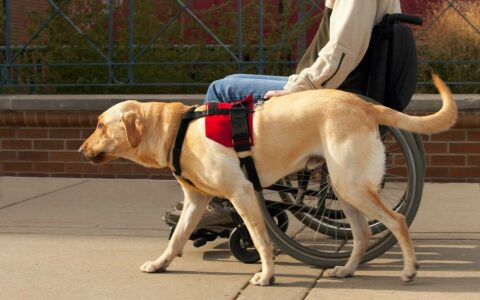
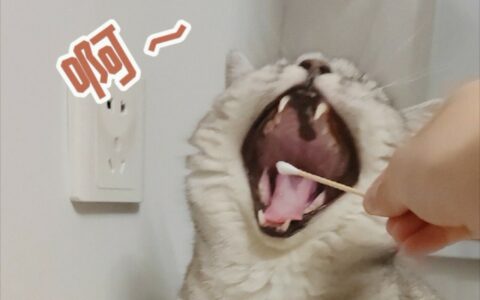
I wonder if you have ever experienced such “sticker shock”: you go to a community bathhouse on the weekend for a bath, and it costs only 50 yuan for a back scrub and massage included; yet, when you take your 10-jin (5 kg) British Shorthair cat to a pet grooming salon for a bath, you are startled by a 120-yuan bill at checkout. It is just a bath, so why is the “bathing fee” for fur babies more than double that for humans? Today, we will thoroughly deconstruct this seemingly “unreasonable” phenomenon from three dimensions: service details, cost structure, and industry characteristics.
I. Professional Equipment & Supplies: The “High Cost Barrier” Tailored for Pets
Bathing a pet is by no means as simple as throwing them into a bathtub and rinsing them off. Behind it lies a “hardware + software” system designed specifically for the physiological characteristics of pets, which is also the core starting point for the price difference.
In terms of equipment, the degree of “customization” for pet bathing facilities far exceeds that of human bathing facilities. Take bathtubs, for example: small dogs use shallow tubs with non-slip mats (to prevent the pet from slipping and getting frightened); medium-sized dogs use adjustable lift bathtubs (to facilitate the groomer’s operation and avoid back strain); large dogs require deep bucket-style bathtubs capable of bearing over 100 kilograms. The cost of a single unit ranges from several thousand to over ten thousand yuan—whereas a standard bathtub in a human bathhouse usually costs only a few hundred yuan. More critical is the control of water temperature and pressure: the thickness of a pet’s skin is only 1/3 of a human’s, so the water temperature must be precisely controlled at 38-40℃ (close to the pet’s normal body temperature), as a deviation of more than 2℃ could trigger a stress response; water pressure must also be adjusted to a gentle mode to avoid impacting the pet’s ear canals and eyes. To this end, professional pet grooming salons specifically equip themselves with constant temperature and constant pressure water supply systems, and the maintenance cost of this system alone is nearly 1,000 yuan higher per month than that of an ordinary bathhouse.
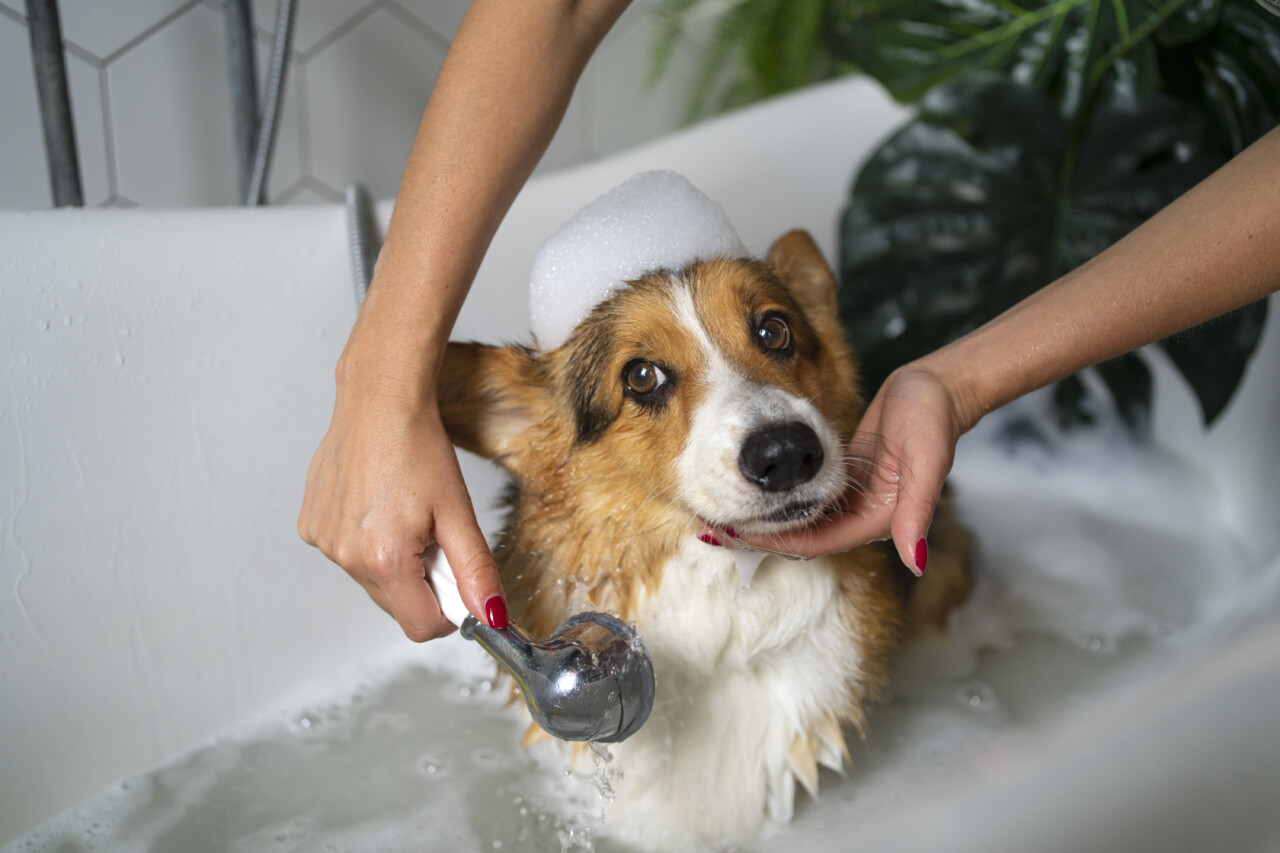
The cost gap in bathing supplies is even more intuitive. Body washes used by humans mostly contain fragrances and SLS (Sodium Lauryl Sulfate), which, while meeting cleaning needs, can destroy the lipid layer of a pet’s skin. Many pet owners have mistakenly used human shampoo to bathe their cats and dogs, resulting in problems such as increased dander and skin redness. In contrast, pet-specific shampoos must strictly follow the principle of being “non-irritating and weakly acidic.”For instance, tear-free shampoos for puppies need to contain natural oat extracts to soothe the skin; medicated bath shampoos for skin diseases must contain medicinal ingredients like Chlorhexidine and Ketoconazole. According to data from the 2024 White Paper on China’s Pet Industry, the average price of a 500ml bottle of ordinary pet shampoo is 68 yuan, while the average price of human body wash of the same volume is only 29 yuan. The price of the former is 2.3 times that of the latter; if medicated shampoos are involved, the unit price can even exceed 200 yuan, further widening the cost gap.
II. Time & Effort: A Service Battle of “Wits and Courage with Pets”
If human bathing is an efficient process of “autonomous cooperation,” then pet bathing is a test of patience in “passive soothing”—the time and energy consumed behind this is another major reason for the high price.
Regarding time costs: For humans in a bathhouse, the entire process from undressing and rinsing to drying can be finished in as little as 30 minutes; however, professional pet bathing is a “closed-loop service” set. The process alone includes 5 steps:
- Pre-grooming Check: Checking for knots and skin damage while brushing the fur. For long-haired cats (such as Ragdolls), this step alone can take 20 minutes just for brushing.
- Basic Care: Trimming nails and cleaning ear canals (to prevent otitis media caused by water entering during the bath), taking about 15 minutes.
- Formal Bathing: From wetting the fur and applying shampoo to repeated rinsing (ensuring no residue), it takes at least 25 minutes.
- Drying: The pet-specific high-velocity dryer needs to be moved slowly while maintaining a distance of 30cm. It takes 30 minutes to dry a small dog, and over 1 hour for a large dog (such as an Alaskan Malamute).
- Post-grooming Tidy: Brushing the fur again and cleaning up shed hair, taking 10 minutes.
Calculated out, the bathing process for an ordinary medium-sized dog takes 1.5 to 2 hours in total, which is 2 to 4 times the duration of a human bath.
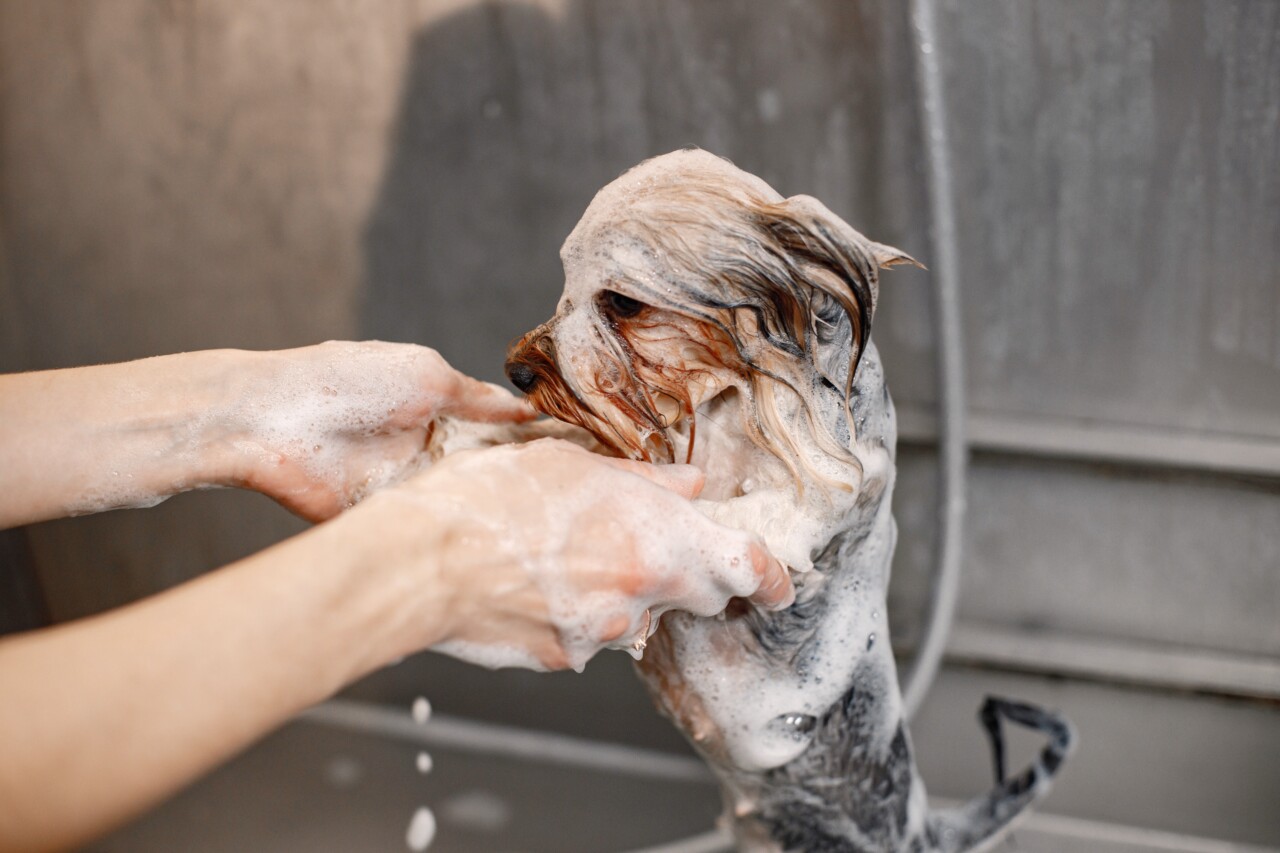
Even more energy-consuming is “pet emotion management.” Most pets are naturally afraid of water and may struggle, shake off water, or even engage in food-guarding-like aggression during a bath. Some pet groomers have shared experiences where a Border Collie suddenly broke free during a bath and knocked over shampoo bottles on the shelf; others have had their arms scratched by cats due to stress reactions. To cope with these emergencies, groomers not only need to master the “encircling soothing method” and “soft guidance techniques,” but sometimes also require the cooperation of two people (one to hold the pet, one to operate), which undoubtedly increases labor costs. Moreover, the cleaning work after a pet bath is more cumbersome: fur shaken off by pets can clog drains and requires special tools to clean; water splashed on the floor must be wiped dry immediately to prevent pets from slipping; it is even necessary to ventilate and deodorize the bathing room to avoid residual pet odors affecting the next “customer.”
III. Health & Safety: Invisible “Protection Costs” Cannot Be Ignored
For the pet industry, “safety first” is not just a slogan, but an operating principle that requires real monetary investment—these invisible health protection costs are ultimately reflected in the bathing price.
First is the necessity of pre-grooming health screenings. When professional pet grooming salons receive a pet, they first observe the pet’s mental state: if symptoms like a runny nose or diarrhea are found, they will recommend going to a veterinary clinic for a check-up first; if lumps on the skin or areas of hair loss are felt, they will ask the owner about any history of skin disease to avoid conflict between medicated shampoos and the pet’s condition. There was a case where a grooming shop failed to detect a pet’s skin disease in time and used ordinary shampoo, causing the symptoms to worsen, and ultimately had to compensate the owner 2,000 yuan in medical fees. Such cases make the industry attach greater importance to pre-service checks. While the screening time for each pet is about 5 minutes, seemingly short, it requires groomers to possess professional pet health knowledge. The training cost behind this (such as pet skin disease identification courses) exceeds 3,000 yuan per person annually.
Second is the high-frequency investment in environmental disinfection. To prevent cross-infection between pets (such as Feline Panleukopenia and Canine Parvovirus), pet grooming salons need to perform comprehensive disinfection three times a day: irradiating the bathing room with UV lights for 30 minutes before opening in the morning; wiping down the bathtub and grooming table with pet-specific disinfectant after serving each pet; and performing high-temperature disinfection on the floor and tools (combs, scissors) after closing at night. It is estimated that for a 100-square-meter pet grooming salon, the monthly expenditure on disinfection supplies (disinfectants, UV light consumables) is about 800 yuan, which is three times the disinfection cost of an ordinary bathhouse. Stricter stores also implement “time-slot services,” such as staggering bathing times for cats and dogs to avoid contact between different species in the store. Although this reduces risks, it also reduces the daily service volume, indirectly pushing up the bathing price for a single pet.
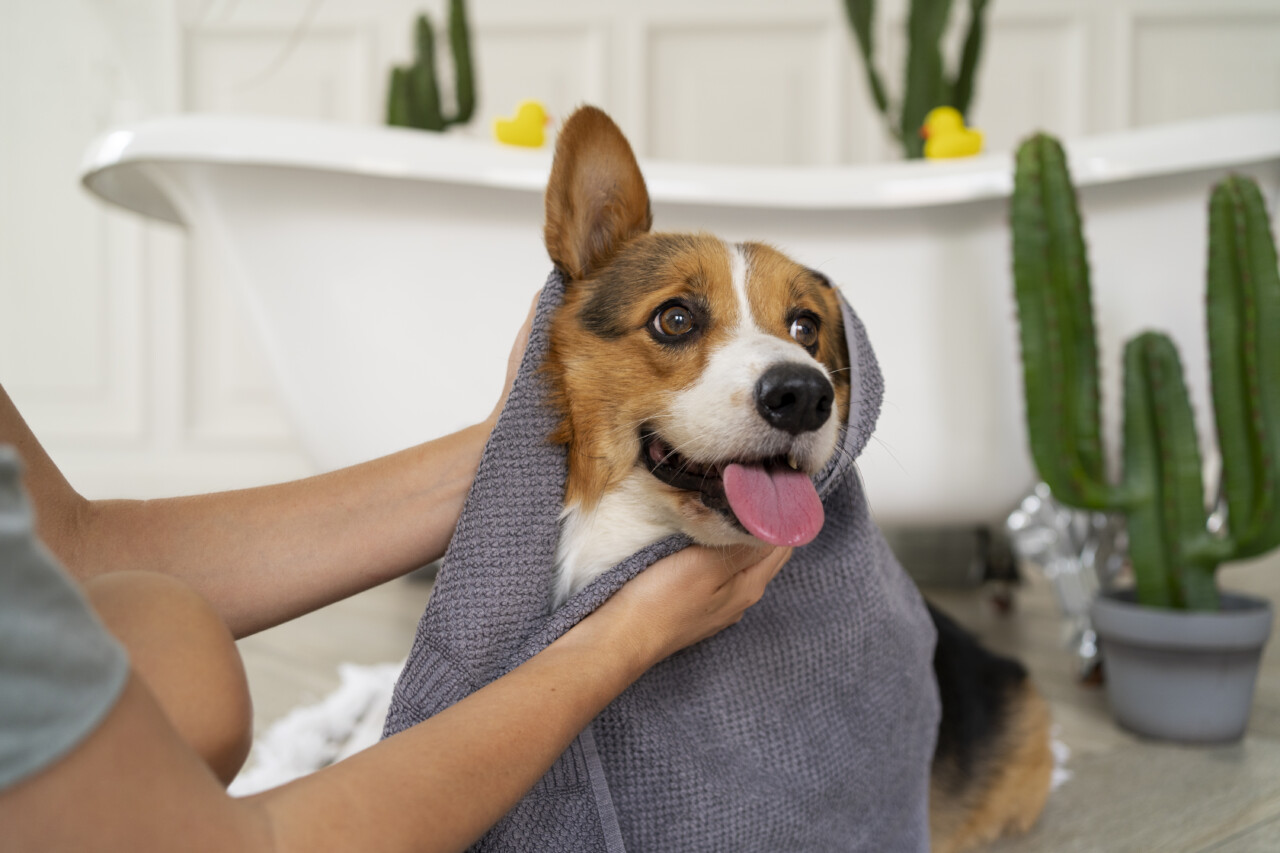
In addition, “accident protection” is also part of the operating costs. Formal pet grooming salons purchase “third-party liability insurance” for pets. If a pet is injured during the bath due to equipment failure (such as the dryer overheating) or suffers a sudden illness due to a stress reaction, insurance claims can reduce losses. The annual premium for such insurance is about 5,000 yuan, which is a significant expense for small stores.
After reading these details, perhaps everyone can understand: the price of pet bathing covers not only the basic service of “getting clean” but also the investment in professional equipment, the consumption of manpower and energy, and the assurance of health and safety. For pet lovers, behind the 120-yuan bathing fee is the peace of mind of not worrying about fur babies being scalded by water temperature, not facing the mess of fur flying all over the house after a bath, and not being anxious about the risk of cross-infection. This “convenience and peace of mind” is precisely where the value of the pet service industry lies.
Original article by KPTer, if reproduced, please cite the source: https://www.kaipet.com/en/pet-bathing-expensive-human-bathing-analysis-major-costs