


If you’ve just brought home a cat, or if your cat is very fearful and not at all affectionate, what should we pay attention to? How can you gain the little one’s trust as quickly as possible?
I recommend saving this 5 trust-building tips — they can really come in handy when it matters most.
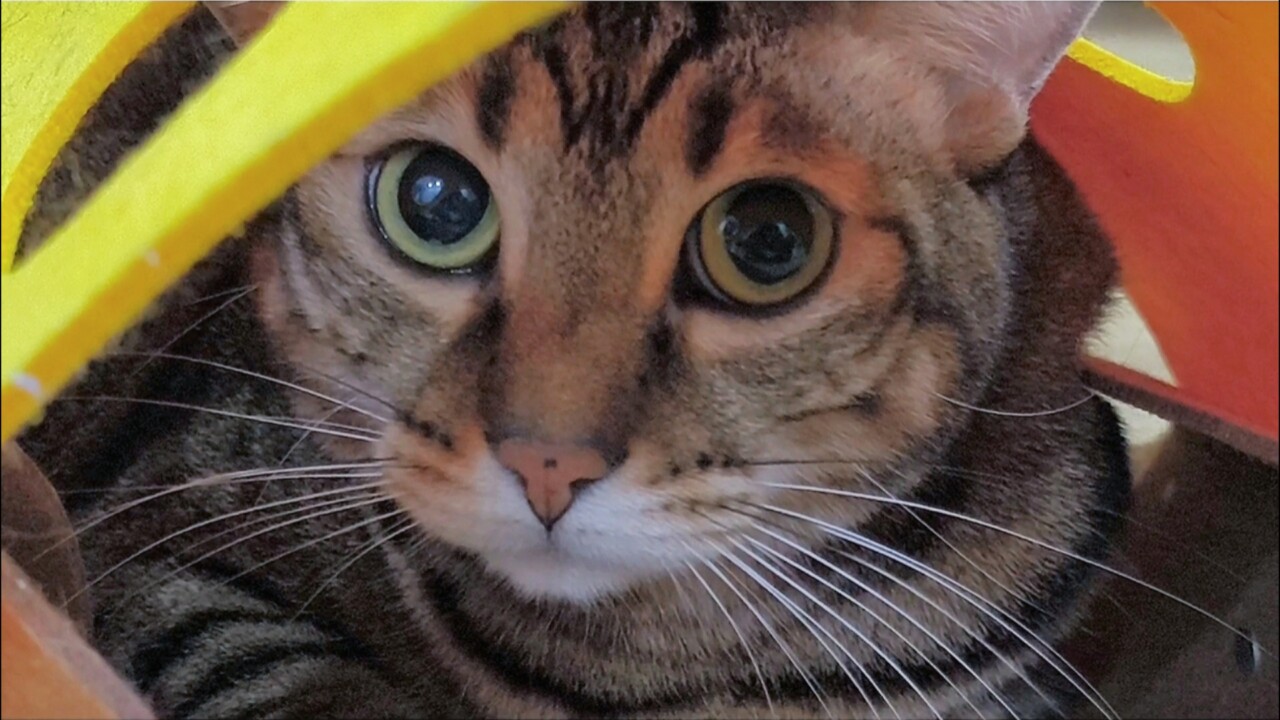
Tip 1: Don’t stare into the cat’s eyes
In feline body language, staring with your eyes often means you’ve locked onto prey. Don’t expect a kitten to read any “overflowing parental affection” from your gaze.
So, before trust is established, avoid staring directly into the little one’s eyes or focusing all your attention on them. That will make the cat nervous and prevent it from relaxing.

Tip 2: Don’t pick the cat up right away
I know you’ll be very excited when you first get a cat — you might wish you could hold it 24 hours a day.
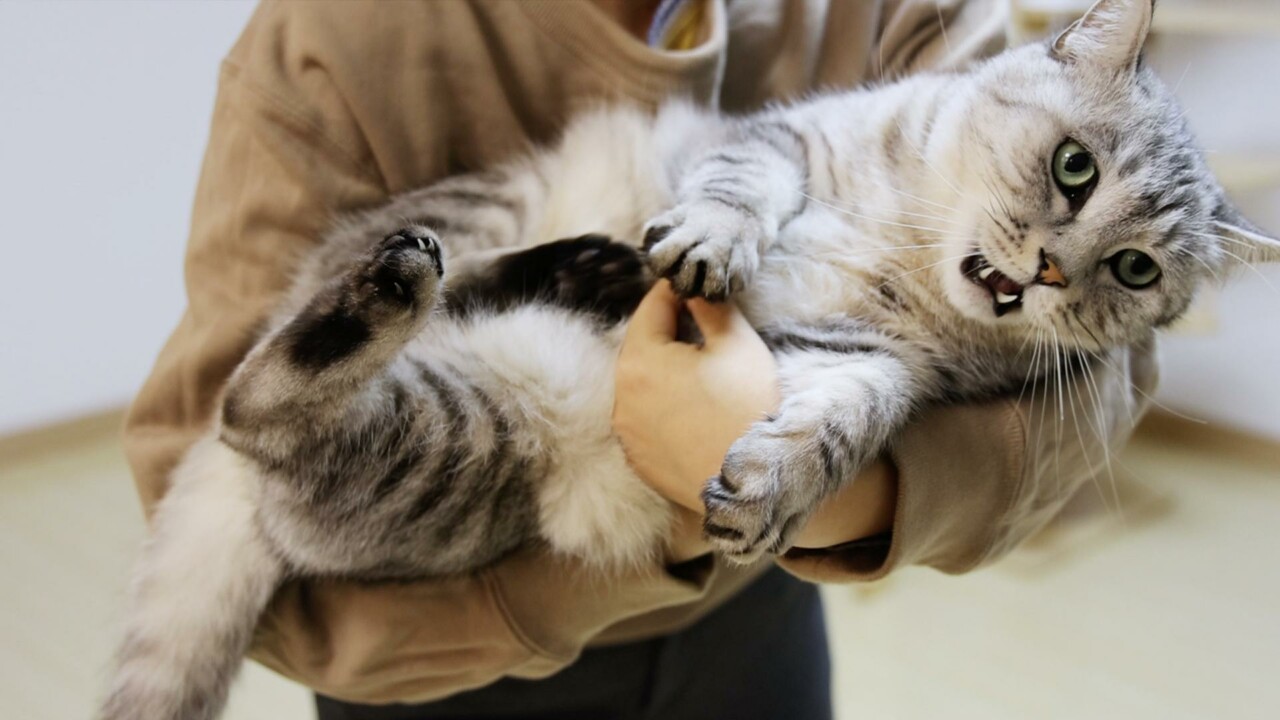
But most cats don’t actually enjoy being held. Think about it: when you lift them up, all four paws are off the ground and their body is firmly restrained — the cat loses control over its body.
To a cat, being held like that can be understood as “being captured like prey.” A confident, easygoing cat might tolerate it, but a timid cat is likely to become much more wary if you pick it up suddenly.
Tip 3: Try not to interact with the cat
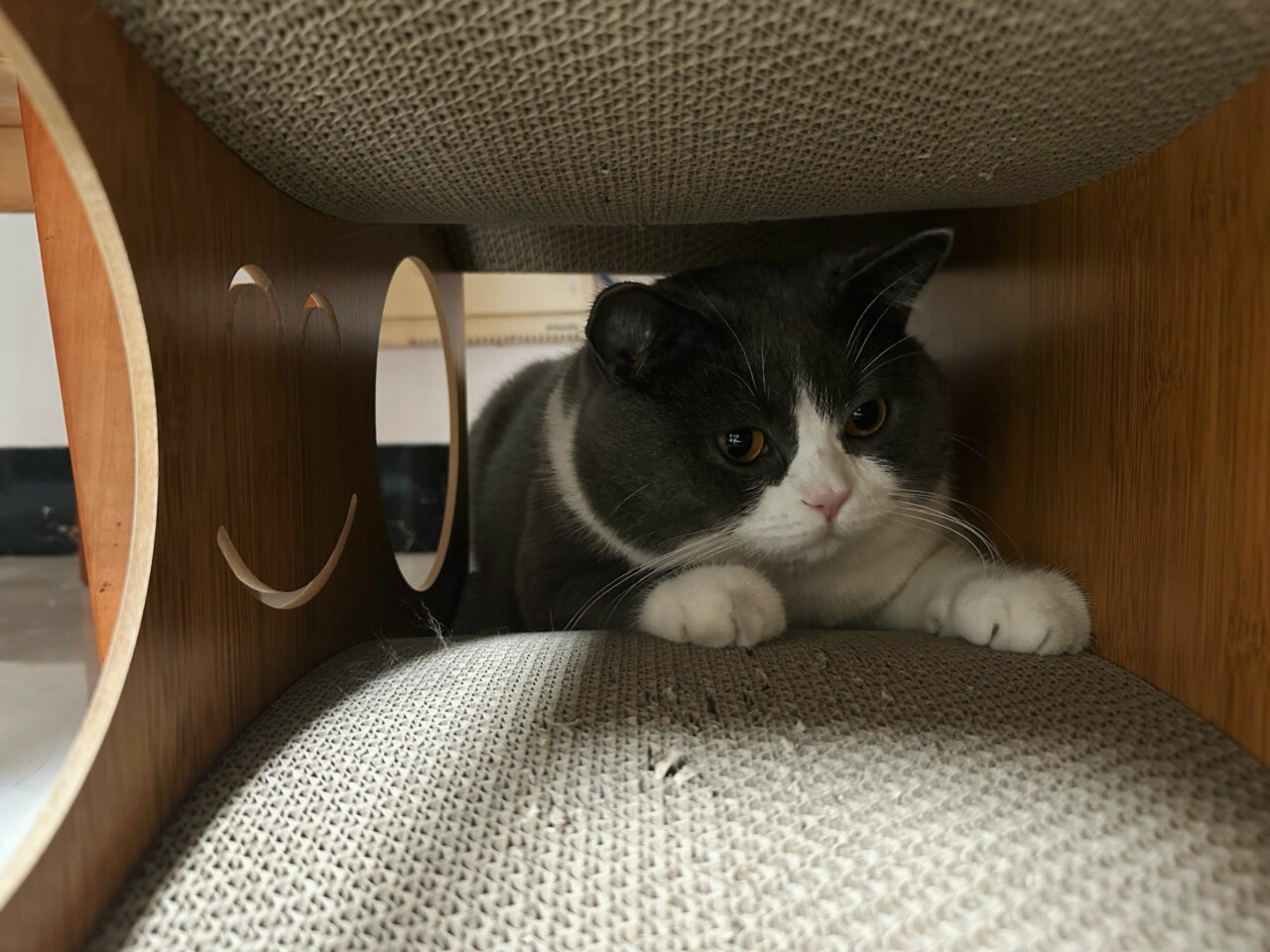
Our main approach is the three points — don’t stare, don’t pay attention, don’t interact. Treat it as if the cat isn’t there. A newly arrived cat finds the whole environment unfamiliar; it first needs to reassure itself: “It’s okay, it’s okay.”
Then it will spend a lot of time getting used to the surroundings. You — a moving person — look like someone the cat should be on guard around. If you completely ignore the cat and don’t even glance at it, the cat will think, “This person isn’t a threat — that’s pretty good.”
That makes the cat feel safe enough to come out and explore.
Tip 4: Greet the cat in the right way
The previous three tips were about not bothering the little one. If you do that, the cat will form a basic level of trust — it knows you aren’t dangerous.
At that point it will likely become very curious and might approach you. All you need to do then is offer one finger; if the cat comes over and sniffs it, congratulations — you’ve established a foundation of trust. Some cats will nuzzle your hand or even lie down and show their belly.
Important! Resist the urge. This is the cat’s way of expressing friendliness, not an invitation for you to immediately pounce into handling.

Tip 5: Choose the right places to pet
After you’ve followed the first four tips, you’ll find the cat trusting you more and more. That’s the time to try petting.
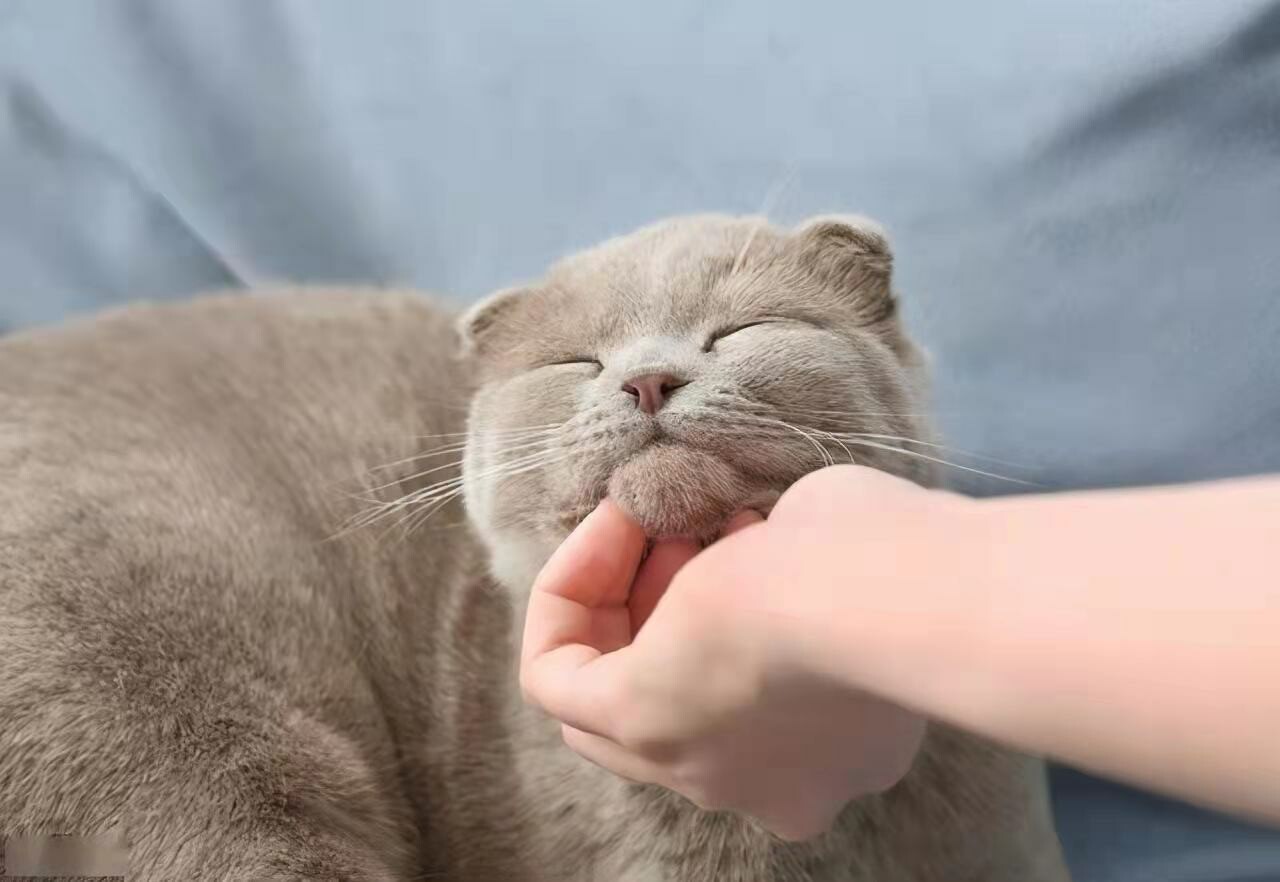
Not an obsessive, frantic kind of petting, but gentle strokes on the right spots. Most cats prefer the back of the head, under the chin, and the cheeks. Aim for those areas and that’s usually enough.
Sensitive areas such as the paws, lower back, belly, and hindquarters should be approached only after you’re familiar with the cat’s preferences and have learned how much pressure they tolerate.
Original article by KPTer, if reproduced, please cite the source: https://www.kaipet.com/en/cat-wont-cling-5-tips-quickly-build-trust








Comments(2)
Super useful advice! For Tip 3, how can I tell when my cat is feeling safe enough to initiate contact?
@CriticX:Thanks for your insightful question on Tip 3! Cats typically show they feel safe and ready to initiate contact by exploring their surroundings calmly, having relaxed body language, and eventually approaching you on their own terms. That’s your cue to gently offer a finger as suggested in Tip 4.