

Many turtle enthusiasts find themselves in a dilemma every winter: should they let their beloved turtles hibernate or not? In truth, there is no standard answer to whether a turtle should hibernate. The key lies in your turtle-keeping goals and the turtle’s own physical condition. Today, let’s dive deep to fully understand the pros and cons of turtle hibernation!
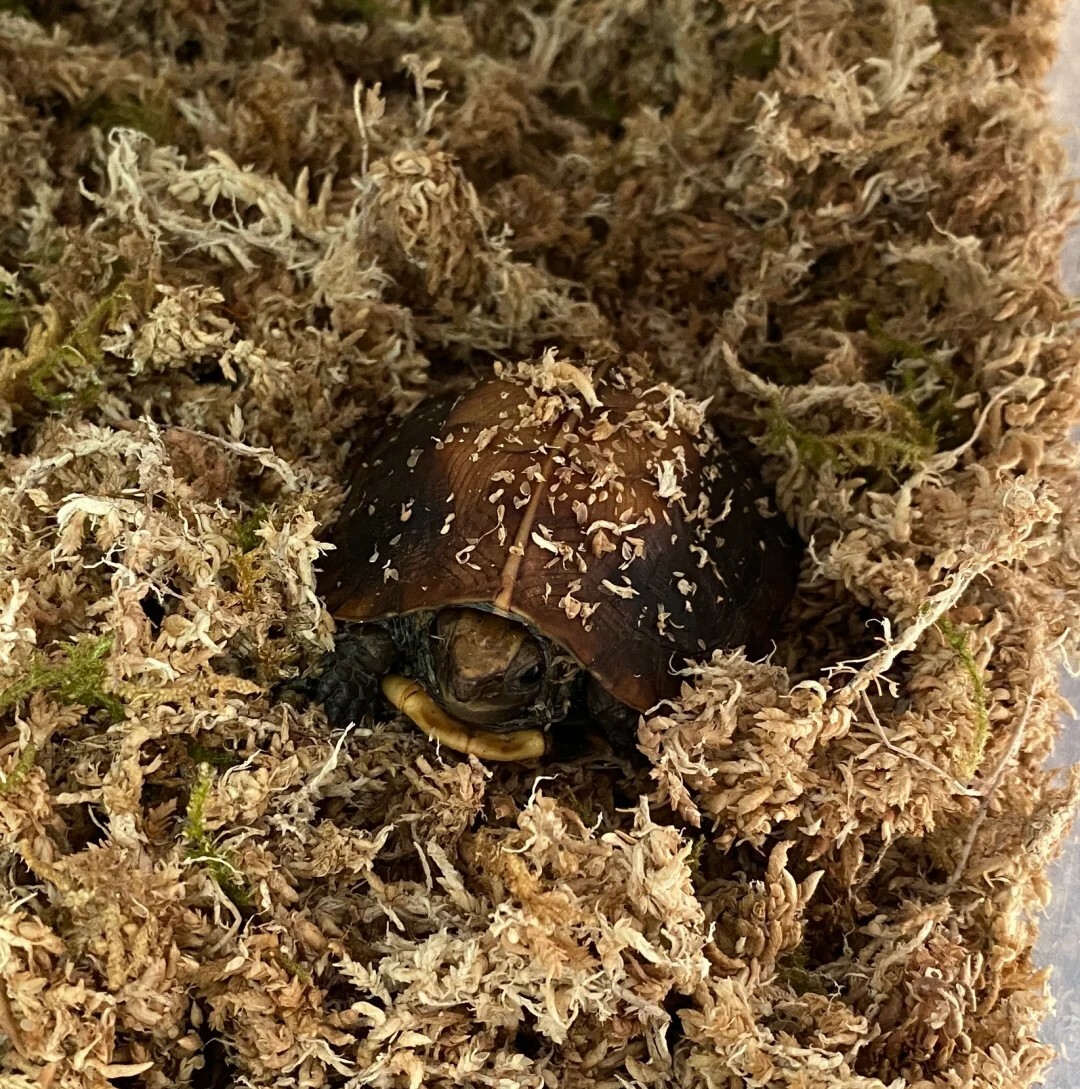
When Hibernation Is Not Recommended
If any of the following conditions apply to you, it is advisable to use an aquarium heater to keep your turtle active:
- You want to interact with and feed your turtle during the winter, and record its ‘mukbang’ (feeding video) moments;
- The turtle is too young;
- The turtle is weak or has health issues;
- The indoor temperature in your location fluctuates significantly during winter;
- You are a first-time turtle keeper and lack experience in managing hibernation.
The Benefits of Hibernation
Promotes Sexual Maturity and Enhances Reproductive Ability
This is the most significant value of hibernation! For sexually mature adult turtles, hibernation can stimulate gonadal development, markedly increasing their egg yield and fertilization rate in the following year. If you hope for your turtle to reproduce, hibernation is an essential step.
Strengthens Constitution and Extends Lifespan
Studies have shown that during hibernation, a turtle’s organs enter a ‘dormant mode,’with their metabolism dropping to an extremely low level. This physiological state effectively slows down organ aging, essentially slowing the turtle’s ‘biological clock.’ Data confirms that turtles that hibernate regularly have an average lifespan 20%-30% longer than those kept in constantly heated environments.
Regulates Growth Rhythm and Avoids ‘Forced Growth’
Raising a turtle with constant heating is like ‘forced growth.’ The turtle grows rapidly but often suffers from issues like carapace deformities and an excessive burden on its organs. In contrast, a turtle that hibernates grows at a naturally slower pace, developing a more robust constitution and a more compact, aesthetically pleasing shell pattern.
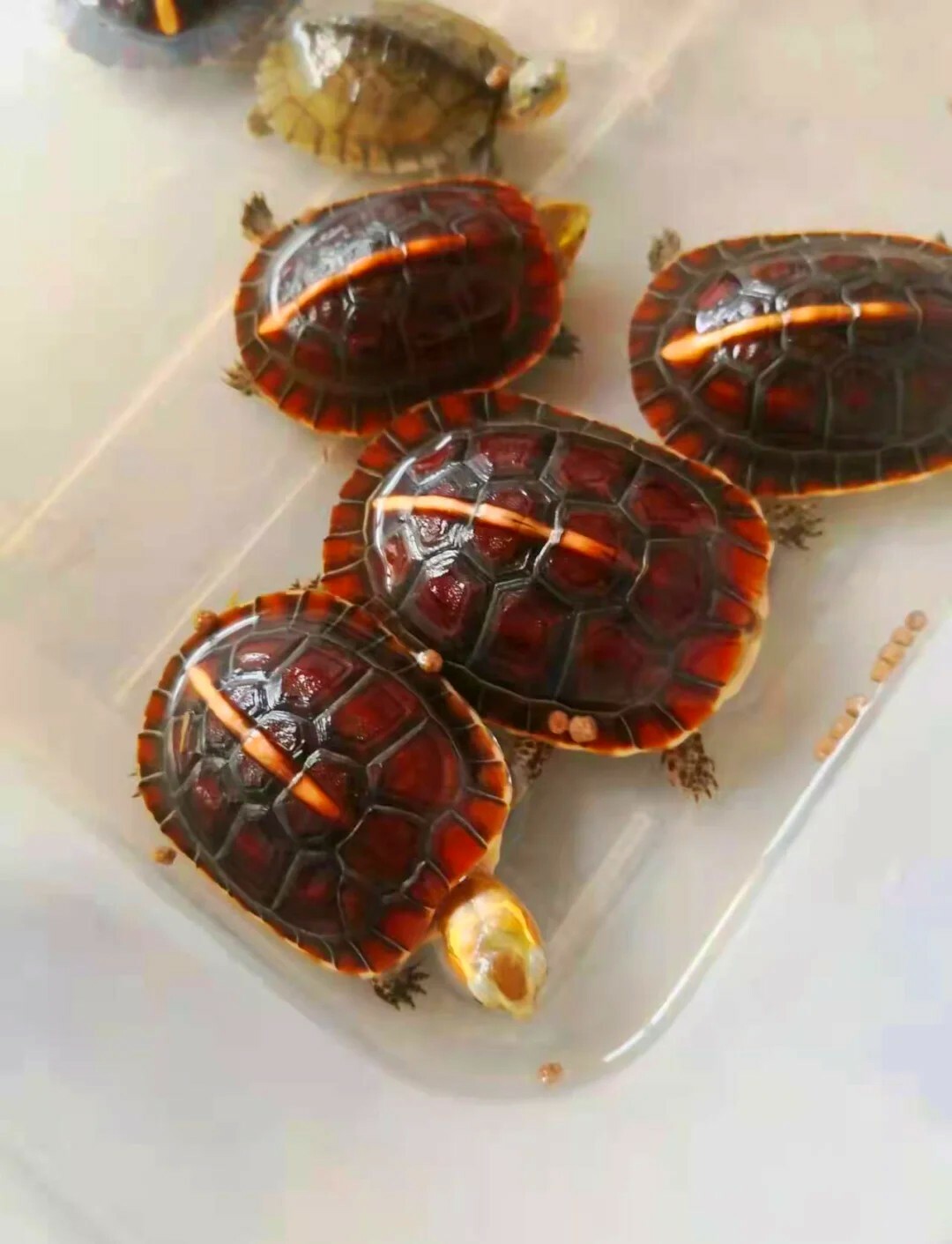
A Discussion on Turtle-Keeping Philosophies
“Do you choose a companion that grows quickly but has a shorter life, or a friend that grows slowly but stays with you much longer?”
This question actually reflects different turtle-keeping philosophies:
- The “Pro-Heating” Group: Prioritizes interactive experience and viewing pleasure;
- The “Naturalist” Group: Places more emphasis on respecting the turtle’s natural instincts and seeks long-term companionship.
Personally, I lean towards allowing turtles to hibernate naturally, provided they are healthy. After all, keeping a turtle is not just about raising a ‘living thing’; it’s about witnessing a life grow according to its natural rhythm. Of course, if your primary need is instant interaction, keeping your turtle warm through the winter is perfectly understandable.
Important Reminders
Regardless of whether you let your turtle hibernate, always remember:
- You must prepare your turtle for hibernation by properly cleansing its gut;
- The hibernation environment must be kept at a stable, low temperature (5-10°C);
- If using a heater, ensure the temperature remains constant and avoid fluctuations;
- The final decision should be based on the turtle’s health, not personal preference.
Keeping a turtle is a companionship that spans the seasons. Only by understanding and respecting the laws of life can this companionship truly endure.
Original article by 搬运工, if reproduced, please cite the source: https://www.kaipet.com/en/turtle-hibernation-extend-lifespan-unveiling-pros-cons-choices-keepers-read-beginners







Comments(2)
Great advice for beginners! I’m curious, what’s the biggest challenge first-time keepers face when managing turtle hibernation?
@CriticX:Thank you, CriticX, for your thoughtful feedback! You’ve hit on a crucial point. For first-time keepers, the biggest challenge often involves correctly assessing the turtle’s health pre-hibernation and maintaining a consistently stable, safe environment throughout. The article emphasizes that lack of experience is a key reason to exercise caution.