


If you notice that your cat is suddenly drooling more than usual, it’s important to pay attention, as this could be a sign of illness. Today, I will explain the ten main causes of excessive drooling in cats and how to identify issues through observation.
Oral Issues
Oral Diseases
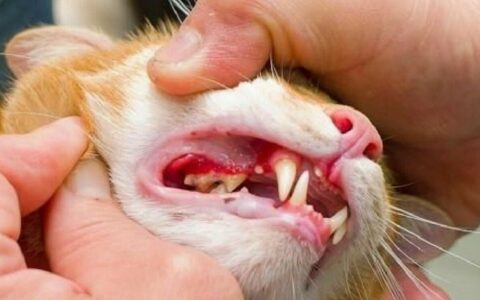
Signs of oral diseases include broken teeth, dental calculus, and pain caused by gingivitis. Cats may drool to rinse their mouths and alleviate discomfort, which can also result in bad breath. For cats over three years old, owners should remember to conduct an oral examination at least once a month.
Foreign Objects in the Mouth
Foreign objects in the mouth include bones, fish bones, and swallowed needles. If a cat has something stuck in its mouth, it may scratch its face or try to dislodge it with its paws. If a foreign object is discovered, attempt to remove it safely if possible; if not, take the cat to the vet as soon as possible.
Oral Tumors
Oral tumors can occur in various parts of the mouth, from the tongue to the throat, and may cause persistent blood in the saliva and drooling.
Oral Ulcers or Wounds
Oral ulcers or wounds can cause discomfort for cats, leading to drooling.
Viral Infections
Feline Calicivirus
Feline Calicivirus can cause stomatitis, leading to ulcers on the cat’s tongue, decreased appetite, lethargy, and dry nose. If red, circular sores appear on the tongue, prompt treatment is necessary.
Other Causes
Stress Response or Motion Sickness
Drooling caused by stress response or motion sickness.
Sore Throat
Just like humans, cats may drool when they have a sore throat.
Gastroenteritis
Especially before vomiting, cats with gastroenteritis may drool excessively.
Poisoning
Common household poisons include laundry detergent, mosquito coil liquid, daffodils, lilies, and certain medications.
Neurological Disorders
Some complex neurological disorders, such as hepatic encephalopathy, intracranial tumors, portosystemic shunts, and epilepsy, although not common, can also cause drooling. However, these conditions are not frequent, so it’s only necessary to be aware of them without excessive concern.
Original article by KPTer, if reproduced, please cite the source: https://www.kaipet.com/en/ten-reasons-cats-drool-determine






Comments(2)
This post is super helpful for identifying causes! I’m wondering, which of these reasons is often the trickiest for owners to spot early?
@CriticX:We’re glad you found the post helpful! Identifying early signs can indeed be challenging. Conditions like early-stage oral tumors or complex neurological issues might be particularly difficult for owners to spot without veterinary examination.