

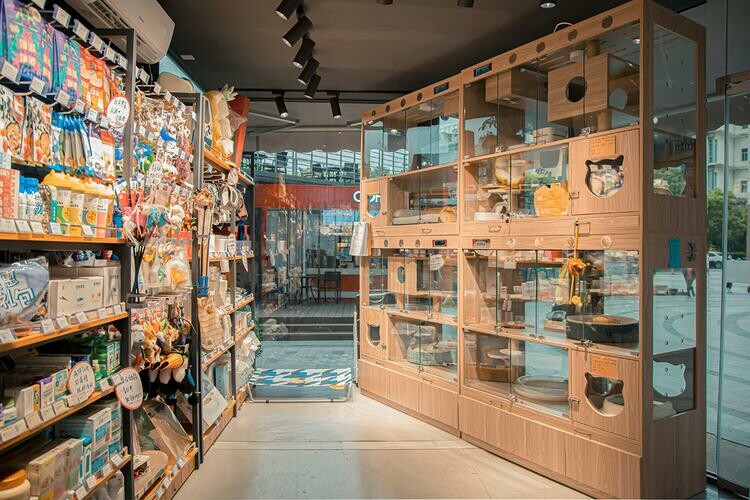
Walking into a pet store, the first thing that catches your eye is a bustling scene. The shelves are packed with a dazzling array of pet supplies and food that are overwhelming to behold, with cat supplies being particularly abundant and occupying a significant amount of space. Looking around, you will find that there are more people selling cats than selling dogs, which seems to imply a certain trend. In the past, dogs were seen as man’s best friend, and marketing tactics mostly revolved around this point. Gradually, people began to care about the health of dogs, and thus various dog foods and dog supplies emerged. However, consumers are not blindly following; they have gradually discovered that as omnivores, a dog’s diet is not limited to dog food—coarse grains, fruits, vegetables, and even leftovers can all become sources of food for them.
The Profit Dilemma of Dog Food and Capital Considerations
Consequently, the appeal of dog food has begun to weaken, and its “stickiness” has decreased accordingly. For medium and large dogs, eating high-quality dog food means that the monthly expense is not small, which is a considerable burden for ordinary families. Meanwhile, the profit from ordinary dog food is obviously not as substantial as that of cat food. Merchants expend a great deal of energy during the sales process, but the profits ultimately obtained are unsatisfactory, as if they are “selling for nothing”, earning only “hard-earned money.” From the perspective of capital, although dogs can bring about derivative consumption, such as bathing and shaving, this revenue does not enter the pockets of capital but is instead divided among merchants like pet stores. Merchants and capital are not equivalent, but capital certainly includes merchants.
Capital’s Tilt Towards the Cat Market and the Dilemma of “Chinese Rural Cats”
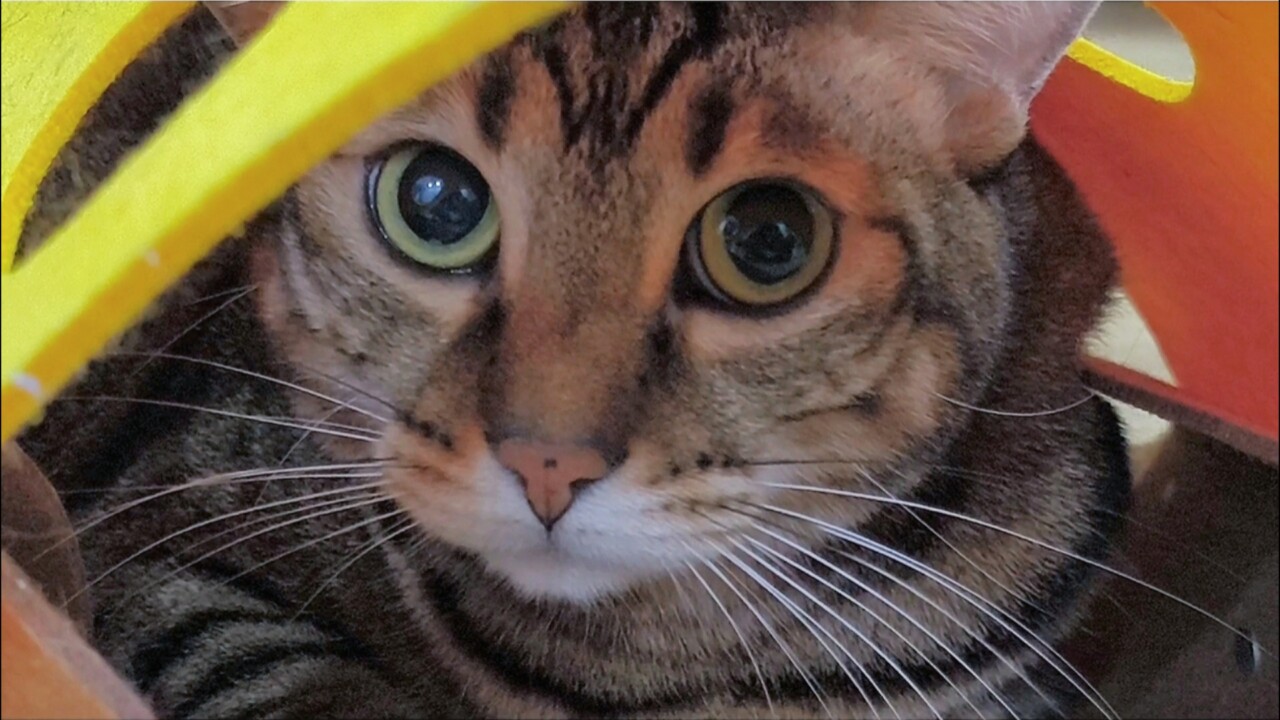
Nowadays, capital seems to favor the cat market. Online marketing, aesthetic trends, and demand creation are all tilting towards cats. However, the cat market also faces challenges. The reason why the Chinese rural cat, as a variety, is unpopular lies in the fact that they are not picky eaters, are not prone to illness, and are low in price. This makes the Chinese rural cat a “failed commodity,” and has even sparked some controversy over whether they are suitable as pets. Some people believe that Chinese rural cats have bad tempers and are highly aggressive, which has led some irresponsible cat owners to abandon them at will, bringing negative impacts to society. In contrast, those who raise pedigree cats often have a sense of superiority, which to some extent also reflects the success of marketing.
Social Responsibility and Cost Bearing of Dog Ownership
Returning to the issue of raising dogs, it is not difficult to find that some dog owners do not possess basic knowledge of dog keeping. They may be unable to effectively stop behaviors such as barking or harassing passersby, and there are even uncivilized phenomena such as walking dogs without leashes or allowing dogs to defecate anywhere. These behaviors bring many inconveniences to society, causing ordinary dog owners to also bear a bad name. Ultimately, the cost of solving these problems is often paid by those affected.
The Essence of the Pet Market and the Equality of Life
By comparison, issues with cats are more concentrated at the individual level; for example, questions about whether to feed cats imported food or whether domestic cat food is safe have become the focus of discussion. These issues stem mostly from merchants’ marketing strategies, aiming to push consumers to purchase higher-end, more expensive products. In general, dogs and cats each have their own merits in the status of the pet market. As traditional pets, dogs carry more emotional value and social responsibility, while cats occupy a place in the market by virtue of their unique charm. Whether it is a dog or a cat, they are both innocent lives, with no distinction of high or low. When we discuss and argue, we should take things as they are and respect the choice and existence of every life. At the same time, as pet owners, we should also shoulder corresponding responsibilities and obligations to provide them with a safe and happy living environment.
Original article by KPTer, if reproduced, please cite the source: https://www.kaipet.com/en/pet-market-booming-cats-waning-dogs-revealing-capital-bias-dog-food-dilemma





Comments(1)
It’s fascinating how capital shifts! Do you think this ‘cat boom’ is sustainable long-term, or will market dynamics eventually change again?