

Did you know that a cat’s tail holds a rich world of their emotions? Want to learn more? In this article, we will take you on a deep dive to explore what cats ‘say’with their tails! Not only will we teach you how to read their emotions, but we’ll also help you identify potential health issues and make nail trimming and other training sessions go more smoothly!
Cat’s Displeasure: Whipping the Tail
A whipping tail is a clear sign that a cat is in a bad mood. When you see a cat’s tail swaying gently back and forth, it usually indicates that it feels impatient, down, or somewhat aggrieved.
If the cat’s mood shifts from low spirits to anger, the tail’s movement will become more intense. If you are trimming their nails or brushing their fur at this time, it’s best to take a break and let the cat calm down before continuing.
When the cat’s anger intensifies, its tail will whip violently, sometimes even making a thumping sound as it hits the ground. This means the cat is extremely angry and preparing to attack. At this point, do not provoke it further. Quickly find the cause of its anger and soothe its emotions!

Cat’s Joy: Holding the Tail Up
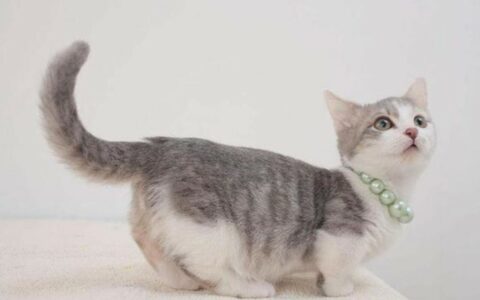
When a cat is happy or sees someone it likes, its tail sends a clear signal. If you see your cat walking briskly towards you with its tail held slightly high, it indicates that it is very happy to see you and is in a relaxed mood.
If a cat approaches you with its tail held straight up and the tip curled into a question mark shape, it is expressing great affection for you.
Some affectionate cats will not only rub their heads against you but also gently hook you with their curled tails. If you receive these signals of love, don’t forget to respond to your cat accordingly!

Cat’s Anxiety: Tail Wrapped Around the Body
When cats feel scared and anxious, they also express these emotions with their tails. If you notice your cat often wraps its tail around its body, it usually means it is feeling tense or uneasy.
At this time, you should check for any changes in the home and monitor the cat’s mental state, activity level, as well as its eating and elimination habits to see if they are normal.
Sometimes, a sick cat will also wrap its tail around its body. So, if you notice any other abnormalities, you should take your cat to the veterinary hospital for a check-up as soon as possible.
Additionally, in winter or when the air conditioning is too cold, a cat might wrap its tail around its body to reduce body heat loss. In this case, you should check the room temperature and prepare a warm, cozy bed for your cat.
Cat’s Fear: Tucking the Tail
When a cat feels insecure, it will tuck its tail, and may even lower its body while walking. In multi-cat households, cats with lower social status often exhibit this body language.
This indicates that it feels uneasy about its environment. If you see this behavior, you should carefully examine the layout of your home to see if there is room for improvement in the cat’s living area.
Cat’s Fright: Puffed-Up Tail
When a cat is startled or threatened, the fur on its tail will puff up. This ‘bristling’ action is a self-defense body language meant to make itself look bigger and more intimidating.
Generally, young cats are easily startled by footsteps or the doorbell, but as they grow older and accumulate social experience, they usually become less skittish.
However, if your cat is frequently in a startled state, you might consider desensitization training. This can not only improve its quality of life but also prevent the long-term health effects of stress.

Cat’s Curiosity: Twitching the Tail
When a cat is curious about a toy or another target, its tail will twitch slightly. This indicates the cat is feeling curious and exploratory. If the twitching becomes more intense, it means it is very excited and ready to pounce on the target.
When you play with your cat using a teaser wand, you can adjust your play style by observing its tail twitching, allowing the cat to have more fun in the hunting game.
Cat’s Acknowledgment: A Gentle Flick of the Tail
Sometimes when you call your cat’s name, it will give its tail a gentle flick. This is the cat’s version of ‘I got it.’ It roughly means: ‘I hear you calling me, but I don’t feel like coming over right now, so I’ll give you a polite response with my tail first.’
When you observe this reaction from your cat, it usually means it wants to continue resting. At this point, respect its personal space and wait for it to come to you when it’s in a better mood!
Original article by 搬运工, if reproduced, please cite the source: https://www.kaipet.com/en/decoding-7-common-cat-tail-movements






Comments(2)
Very insightful! Beyond emotions, how else do you notice your cat’s tail communicating needs or discomfort daily?
@CriticX:That’s a fantastic point, CriticX! Beyond emotions, changes in tail movement often signal underlying health issues or environmental stressors, as we touched on. Observing context—like during grooming or new situations—can reveal a lot about their comfort and needs daily. Thanks for adding to the discussion!